How to Choose the Best Home Decoration Ideas for Your Space?
Home decoration plays a vital role in shaping the atmosphere of your living space. It reflects your personality and style. Choosing the right ideas can be overwhelming, as many factors come into play. From color palettes to furniture selection, the details matter.
Consider your lifestyle and needs. Are you often hosting guests or seeking a cozy retreat? Each choice should enhance your daily experiences. However, it’s easy to get distracted by trends that may not suit your home. Seek ideas that resonate with your vision.
Trust your instincts while researching. Look for inspiration online and in magazines, but remember that not everything will fit your space. Sometimes, simpler decorations have a powerful impact. Embrace imperfections and be open to unique combinations. Home decoration is a journey, not a destination.
Understanding Your Space: Assessing Size and Layout for Decoration
When assessing your space for decoration, start with the size and layout. According to a report by the American Society of Interior Designers, 62% of homeowners struggle with spatial awareness. It’s crucial to measure your area accurately. Take note of the dimensions of walls, windows, and doorways. A 15x20-foot room can feel cramped with oversized furniture, while a small space can look inviting with the right arrangement.
Consider the flow of your room. An open layout may benefit from multifunctional furniture. Items like ottomans and convertible sofas can enhance space. A study by the National Association of Realtors found that homes with optimized layouts can boost property value by up to 30%. Visualize how you move within your space. Is there enough room to navigate comfortably?
Be mindful of color schemes that complement your size. Dark hues may shrink a room's appearance. Light shades can make it feel larger. However, finding the balance is key. Too many light colors can appear bland. Aim for contrast while maintaining a sense of harmony. Explore possibilities, yet avoid overcrowding your space with decor that overwhelms. This reflective approach will lead to a more inviting atmosphere.
Identifying Your Personal Style: Classic, Modern, or Eclectic Choices
When it comes to home decoration, identifying your personal style is crucial. Many homeowners struggle with this aspect. A survey by the American Society of Interior Designers reveals that 70% of people feel lost when selecting decor. Understanding your style can lead to better choices. Think about whether you lean towards classic elegance, modern minimalism, or an eclectic mix.
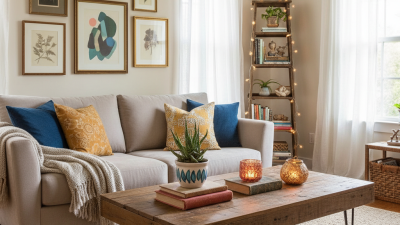
Classic designs often feature rich colors and traditional furnishings. They evoke a sense of history and comfort. Modern styles, on the other hand, focus on clean lines and a minimalist aesthetic. A report from Houzz indicates that modern decor saw a 40% increase in popularity last year. Eclectic choices blend various influences. They create a unique story in your space. However, curating an eclectic style requires a keen eye. Mixing different elements can lead to a chaotic look if not executed carefully.
Consider which style resonates with you. Reflect on your daily life and comfort. Have you noticed how certain colors affect your mood? Bold shades can energize, while soft tones promote calmness. Sometimes, the best choices come from experimenting. Don't hesitate to mix styles. It can lead to surprising and delightful results.
How to Choose the Best Home Decoration Ideas for Your Space?
| Style |
Key Features |
Color Palette |
Common Materials |
Ideal Spaces |
| Classic |
Elegant, Timeless, Symmetrical |
Rich Neutrals, Deep Blues, Gold Accents |
Wood, Marble, Fabrics |
Living Rooms, Dining Rooms |
| Modern |
Minimalistic, Functional, Clean Lines |
Monochrome, Bright Accents |
Glass, Steel, Concrete |
Offices, Apartments |
| Eclectic |
Vibrant, Unique, Layered |
Bold Colors, Mixed Patterns |
Vintage, Handmade, Various Materials |
Bedrooms, Artsy Spaces |
Budgeting for Home Decor: Average Costs and Smart Spending Strategies
Budgeting for home decor can seem daunting, but understanding average costs can help ease the process. According to the Remodeling Impact Report by the National Association of Realtors, homeowners typically spend around $8,000 on interior decorating. This figure can vary significantly based on the scale of the project and personal taste. Smaller changes, like new paint or accessories, might only cost a few hundred dollars.
When planning your budget, consider what aspects of decor matter most. For instance, lighting can dramatically change a space and is often an affordable upgrade. A stylish lamp may cost around $150, while larger fixtures can reach $1,000. It's essential to prioritize your spending. You might love artwork, but investing heavily in it could leave little for other essentials.
Tip: Always allocate around 10-20% of your budget for unexpected expenses. This helps avoid stress.
Thrift stores and online marketplaces offer affordable decor options. This approach requires time but can yield unique pieces. Reflect on what you truly need, and don’t rush into splurges. Creating a home you love is a journey that rewards thoughtful planning and creativity.
Incorporating Colors and Textures: Trends and Psychological Impact in Design
Choosing the right colors and textures can transform your space significantly. A study by the National Institute of Health reveals that colors can influence emotions and productivity. For example, blue typically promotes calmness, while yellow can stimulate creativity. Selecting colors that align with the room’s purpose is essential. You might paint your home office in light blue to foster concentration. Bedrooms often benefit from soft, muted tones to create a restful atmosphere.
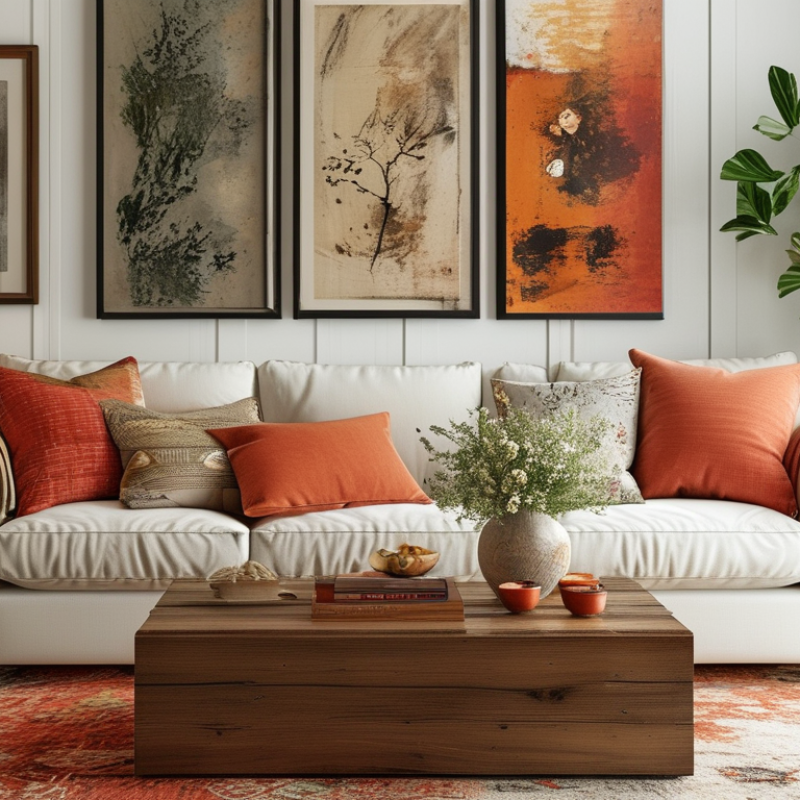
Textures also play a crucial role in interior design. According to an industry report, mixing textures can enhance the visual appeal of a room. A combination of sleek metals, soft fabrics, and natural wood can create a balanced environment. However, it's important to avoid overwhelming the senses. Too many contrasting textures might lead to visual chaos. Aim for harmony by choosing pieces that complement each other rather than clash.
Incorporating these elements thoughtfully can significantly affect how a space feels. Experimentation is key; you might discover that your initial choices don’t resonate with the atmosphere you want to create. Don't be afraid to adjust your selections based on your emotional response to the colors and textures. Regularly reflect on how these choices impact your daily life and adjust as needed.
Functional Decor: Balancing Aesthetics with Practical Use in Living Spaces
When designing your living space, balancing aesthetics with functionality is key.
Functional decor enhances your environment while meeting everyday needs.
Consider furniture that serves multiple purposes.
For instance, a coffee table with storage can keep your space tidy.
Think about the arrangement too.
A well-placed rug can delineate areas and add warmth.
Use shelves creatively.
They can display art and hold books simultaneously. This approach keeps your space personal and organized.
Here are some tips:
- Choose multipurpose items.
- Think about your routine and what you need within arm’s reach.
- Test arrangements before committing.
- Move furniture around to find the best flow.
- Reflect on what works and what doesn’t.
Finding the right balance might take time, but it’s worth the effort.