Top 5 Tips for Choosing the Best PVC Foam Board for Your Needs?
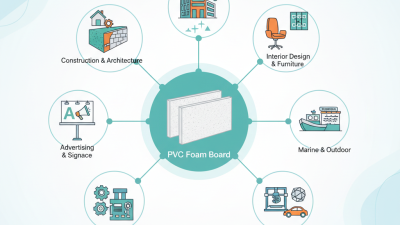
Choosing the right PVC Foam Board is crucial for various applications. This versatile material is widely used in signage, construction, and crafts. According to industry reports, the global PVC foam board market is projected to reach $4 billion by 2025, indicating a growing demand. This rising trend emphasizes the importance of selecting the right product for your specific needs.
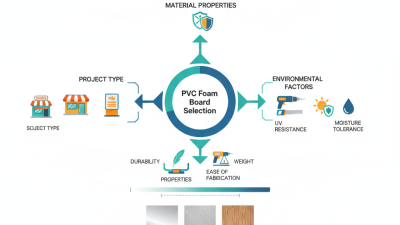
When considering PVC Foam Board, factors like density, thickness, and surface finish matter. Some manufacturers offer boards that are lightweight yet durable. However, not all products meet the same quality standards. It's essential to rely on reputable sources for your purchasing decisions. Poor-quality boards can lead to dissatisfaction and increased costs.
Moreover, the environmental impact of PVC Foam Board production raises valid questions. Many consumers are now concerned about sustainability. Exploring eco-friendly alternatives may also be worthwhile. In a competitive market, making informed choices can greatly affect the success of your projects.
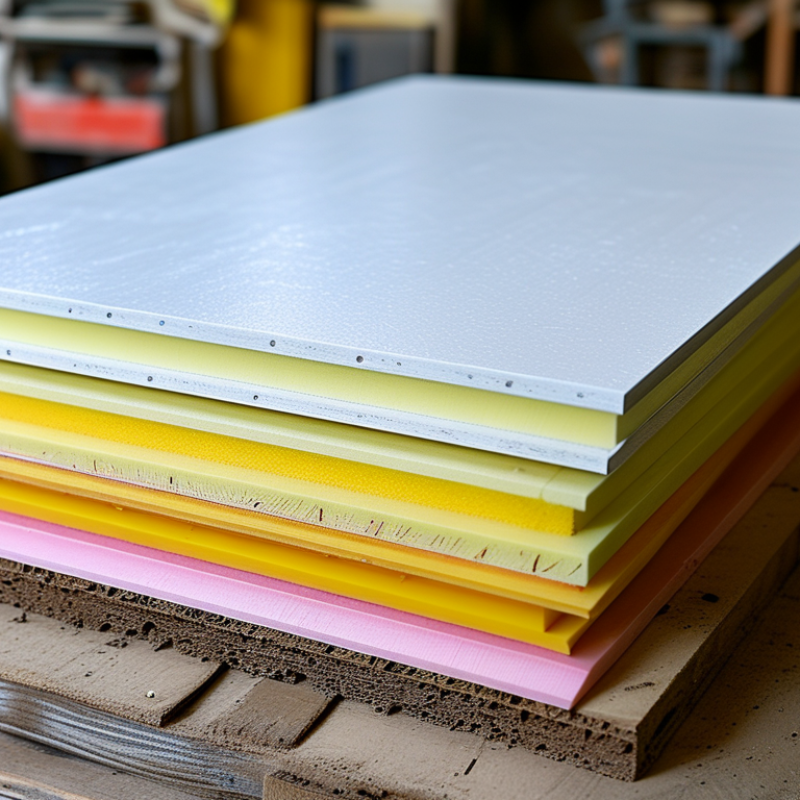
Understanding PVC Foam Boards: Composition and Properties
PVC foam boards are versatile materials used in various applications. Understanding their composition and properties is crucial for making an informed choice. These boards consist of a closed-cell PVC core, providing excellent durability and lightweight properties. They resist moisture and are easy to clean, making them suitable for both indoor and outdoor use.
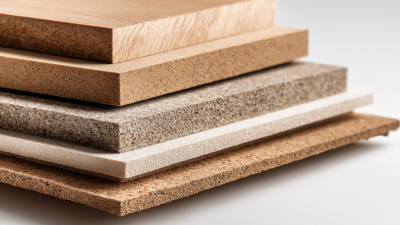
The density and thickness of PVC foam boards vary, directly impacting their strength and application. A thicker board is often more robust, but it may be heavier and harder to work with. Color options and surface finishes also matter. A smooth surface can enhance printing and painting, while a textured finish can provide better grip.
When selecting a PVC foam board, consider its intended use. Reflect on whether you need flexibility or rigidity. There are trade-offs; more flexibility might mean less durability. Take your time to weigh the merits and limitations of each option, and do not rush the decision. Small details can significantly affect your project’s outcome.
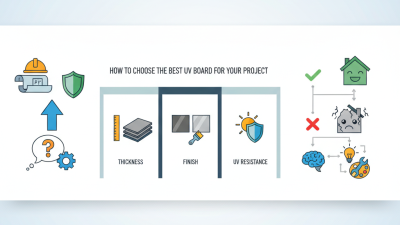
Top 5 Tips for Choosing the Best PVC Foam Board for Your Needs
| Tip |
Description |
Key Considerations |
| 1. Assess Thickness |
Choose a thickness that suits your application, whether it’s for signage or crafting. |
Common thickness options range from 3mm to 20mm. |
| 2. Review Surface Finish |
Select a surface texture that fits your project's aesthetic and functional needs. |
Options include smooth, matte, or textured finishes. |
| 3. Consider Density |
Higher density boards are more durable and better for long-term use. |
Check the manufacturer's specifications for density ratings. |
| 4. Evaluate UV Resistance |
For outdoor use, opt for boards treated for UV resistance. |
This prevents fading and degradation over time. |
| 5. Check Compatibility with Adhesives |
Ensure the foam board works with the adhesives you plan to use for assembly. |
Some boards may require specific types of adhesive for optimal bonding. |
Evaluating Thickness and Density: Key Factors in Performance
When selecting a PVC foam board, understanding its thickness and density is crucial. These factors directly influence performance, durability, and application suitability. A report by the American Society for Testing and Materials highlights that optimal thickness can enhance structural integrity. For intricate designs, a minimum of 5mm is often recommended to ensure stability.
Thickness isn’t the only concern; density also plays a critical role. High-density boards tend to be more robust and resistant to impacts and weathering. Research indicates that foam boards with a density of 0.5g/cm3 or higher exhibit significant durability benefits. This can be particularly valuable in construction and signage applications where exposure is a factor.
When choosing a board, consider the intended use. Lighter foam may suffice for indoor displays, while heavier boards are advisable for outdoor environments. Testing samples before purchase can help reveal which densities work best for your specific needs. Evaluate your project's requirements and don’t hesitate to request detailed specifications from suppliers. Ensuring you get the right thickness and density will lead to better outcomes in your projects.
Analyzing Surface Finish Options: Matte vs Glossy for Your Project
When choosing PVC foam boards, the surface finish is crucial. Matte and glossy finishes offer different aesthetics and practicality. A matte surface reduces glare and is ideal for projects where readability is essential. It provides a sophisticated look, making it suitable for professional settings. On the other hand, glossy finishes reflect light, which can enhance colors and add vibrancy. However, they might not suit all lighting conditions, potentially causing visibility issues.
Consider the purpose of your project carefully. If you're making signage, matte might be better for clarity. For displays needing vivid images, glossy could be the way to go. Have you thought about how each finish will hold up over time? Matte can hide fingerprints, while glossy may require more upkeep.
Choosing the right finish can affect your final outcome significantly. Evaluate the environment where the board will be used. Indoor projects may tolerate different finishes compared to outdoor ones. Always think about how the finish complements your design goals. Making an informed decision can help you achieve the best results.
Comparing Surface Finish Options for PVC Foam Boards: Matte vs Glossy
Identifying Applications: Choosing Based on Intended Use and Durability
When selecting PVC foam boards, understanding their intended applications is crucial. Different projects demand varying levels of durability, impact resistance, and flexibility. For example, reports indicate that interior signage applications require boards with a density around 0.5 to 0.8 g/cm³. Lighter boards may suffice for temporary displays but will not hold up in high-traffic areas.
On the other hand, more robust options are necessary for external uses, where exposure to the elements can lead to rapid degradation.
Choosing the right level of durability is just as important as selecting the right thickness. Thick foam boards offer greater structural integrity. However, they can be cumbersome. For instance, a report by the International Plastics Association highlights that boards over 10mm are often used for construction applications, where strength is non-negotiable. Yet, these heavier boards may be overkill for simple crafts or indoor decor.
Reflecting on each project’s specific requirements can streamline the decision-making process.
Additionally, some users might overlook the finish of the board. The surface texture can impact both aesthetics and ease of printing. A smooth finish is ideal for vibrant colors, while a textured surface may reduce glare but limit print quality. Addressing these nuances ensures the selected material effectively meets the project’s goals, preventing costly mistakes.
Budget Considerations: Cost vs Quality in Selecting PVC Foam Boards
Choosing the right PVC foam board requires balancing cost and quality. Budget considerations are crucial in this decision. Cheap options may save money upfront but often lead to reduced durability and performance. Examine the material closely; quality boards are often denser and more resilient.
When assessing cost, think about the long-term value. A higher initial investment in sturdy PVC foam can result in fewer replacements. Durability matters, especially if the boards will face harsh conditions. Look for user reviews and industry standards to gauge quality. Sometimes, investing a bit more can prevent future headaches and costs.
Consider your specific needs. For outdoor projects, look for boards with UV protection. For creative endeavors, lightweight options are better. Keep in mind that lower-cost materials may lack essential features. Finding the right balance between affordability and quality ensures satisfaction. Always reflect on your choices before making a final decision.