How to Choose the Best Fluted Panel for Your Project?
When embarking on a project that involves decorative or functional elements, selecting the right Fluted Panel is critical. This choice can impact not only aesthetics but also structural integrity. According to a recent industry report by the Architectural Panel Association, the global market for fluted panels is projected to grow by 12% annually, underscoring their rising popularity in both commercial and residential sectors.
Expert designer Sarah Thompson emphasizes the importance of choosing Fluted Panels wisely. She suggests, "A well-chosen panel can transform a space, enhancing depth and character." Quality, material, and intended purpose are key factors in this selection process. Materials can include wood, metal, or synthetic options, each with unique benefits and challenges. Moreover, understanding the installation requirements and maintenance involved is essential for long-term satisfaction.
Even with the best data, selecting a Fluted Panel often involves personal preference and creativity. Choices may seem overwhelming, but careful consideration can yield rewarding results. Ultimately, each project is unique and necessitates thoughtful reflection on how the selected panel will complement its environment.
Understanding Fluted Panels: Types and Materials
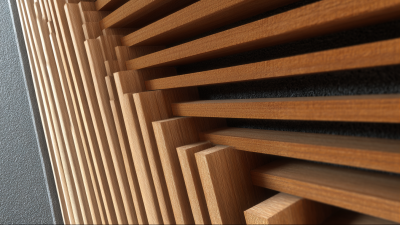
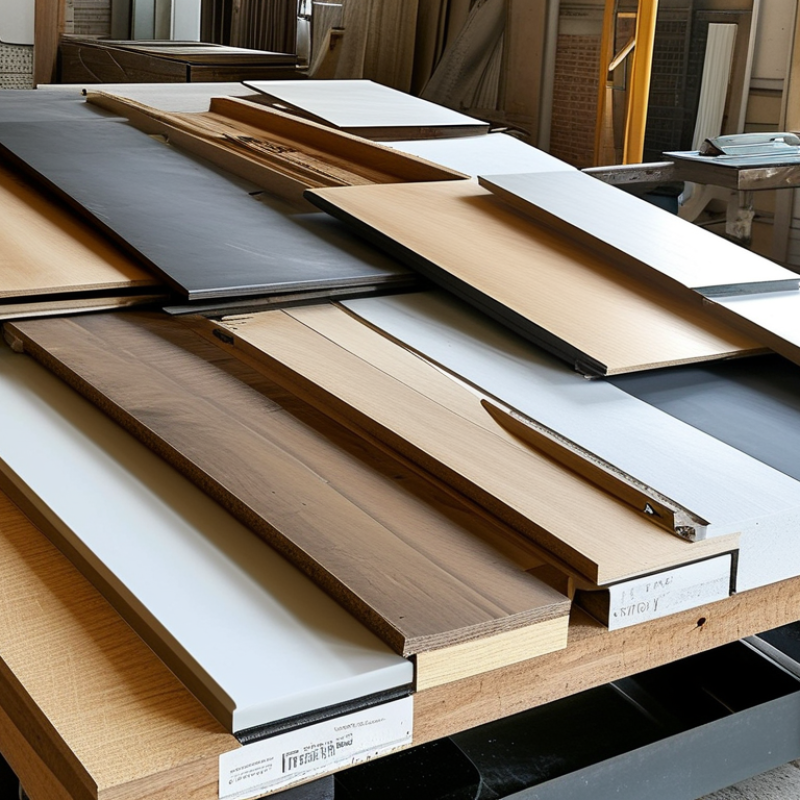
Fluted panels come in various types and materials, making them a versatile choice for any project. These panels are generally made from wood, MDF, and plastic. Each material offers different aesthetics and durability. Wood fluted panels provide a classic look, adding warmth to any space. However, they may require more maintenance over time. MDF offers a smooth finish and is often more affordable, but it might not have the same visual appeal as solid wood.
Plastic fluted panels are lightweight and moisture-resistant, making them suitable for areas prone to humidity. They come in many colors and designs. However, some may not have the same luxurious feel as natural materials. The choice of material will depend on the intended use and the overall design vision for your project. It's essential to consider both the appearance and practical aspects. Reflections on what works best for your specific environment can guide your decision. Not every option will fit every project, so a careful evaluation is necessary.
How to Choose the Best Fluted Panel for Your Project?
| Type of Fluted Panel |
Material |
Thickness |
Applications |
Cost per Square Foot |
| Vertical Fluted Panel |
MDF |
1/2 inch |
Interior Wall Panels |
$3.50 |
| Horizontal Fluted Panel |
PVC |
3/4 inch |
Ceilings & Partitions |
$4.20 |
| Acoustic Fluted Panel |
Wood Composite |
1 inch |
Soundproofing in Offices |
$5.00 |
| Decorative Fluted Panel |
Plywood |
1/2 inch |
Furniture and Feature Walls |
$6.00 |
Assessing the Aesthetic Appeal of Fluted Panels
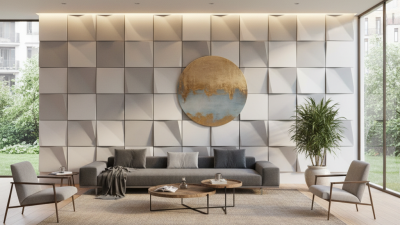
Fluted panels are gaining popularity in interior design. Their textured surface adds depth and dimension to a space. When considering aesthetic appeal, it's crucial to assess the lines and patterns they create. Vertical fluting can elongate a wall, making a room feel taller and more elegant. Horizontal fluting, on the other hand, may lend a cozy, grounded feel.
Different materials can enhance the visual impact of fluted panels. Wood offers a warm, traditional touch, while metal can provide a sleek, modern look. Factors like color, grain, and shine contribute significantly to the overall vibe. Darker tones evoke sophistication, while lighter shades can brighten a room.
However, not every choice will suit every setting. It's essential to reflect on the surrounding decor. A busy room may clash with intricate fluting. Minimalism often pairs best with sleek designs. Finding the right balance between texture and simplicity takes thought. Consider how various panels interact with light as well. This interplay can enhance or diminish their appeal.
Evaluating Durability and Maintenance Requirements
When selecting a fluted panel, durability and maintenance requirements are critical factors. Fluted panels come in various materials, each with distinct properties. Wood, for instance, may offer aesthetic appeal but often requires frequent maintenance. The risk of warping in humid conditions is also a concern. It’s essential to evaluate how these materials perform over time.
On the other hand, synthetic options often boast enhanced durability. Some are resistant to scratches and fading, making them ideal for busy environments. However, they may lack the authentic warmth of wood. Assessing the location where the panel will be installed is key. Extreme environments demand tougher materials, whereas indoor applications may have different standards.
Maintenance is another factor to consider. Routine cleaning is essential to keep panels looking new. Some materials require specific cleaners to avoid damage. Understanding the upkeep can save both time and money. Reflecting on these elements will help ensure you select a fluted panel that aligns with your project’s durability and maintenance needs.
Determining the Ideal Size and Dimensions for Your Project
Choosing the right fluted panel size is crucial for your project. Start by assessing the area you want to cover. Measure the height and width of the space accurately. This helps avoid issues later on. Panels come in various sizes. Knowing your dimensions makes selection easier.
Consider the style and design theme of your project. A large panel might overwhelm a small room. Conversely, small panels may not provide the needed impact. The visual balance is key. Think about the proportions in relation to existing furniture or features.
**Tips:** Always order a sample first. This helps you visualize how it fits. Don't rush the decision process. Allow yourself time to reflect on choices. Remember, the right size enhances aesthetics and functionality. Don't overlook the importance of exact measurements. A minor mistake can lead to major complications.
How to Choose the Best Fluted Panel for Your Project?
Exploring Installation Techniques and Best Practices
When tackling the installation of fluted panels, understanding the right techniques is crucial. A study by the Wall Panel Institute found that improper installation can lead to a 30% increase in long-term costs. This underscores the importance of aligning your installation process with best practices. For instance, proper surface preparation can significantly enhance adhesion and durability. Ensure the wall surface is clean, dry, and free of debris. This makes a big difference in the lifespan of your installation.
Employing the right tools is vital. Using a level helps ensure that each panel is perfectly aligned, creating a professional appearance. According to a report from the Construction Industry Association, misalignment can result in up to 15% waste during installation. It’s frustrating to have to redo sections. A careful approach during the installation phase can minimize mistakes. Remember, take your time to measure, cut precisely, and fit panels snugly.
Consider the use of an adhesive specifically designed for fluted panels. This not only provides strong bonding but also helps to fill any gaps that could compromise aesthetics or stability. It's estimated that panels adhered with proper adhesives last 20% longer than those which are not. Always test a small area first. Reflect on the process as it unfolds, noting areas for improvement. Installation may require patience, but the results can be outstanding when done correctly.