10 Essential Tips for Using WPC Foam Board in Your Projects?
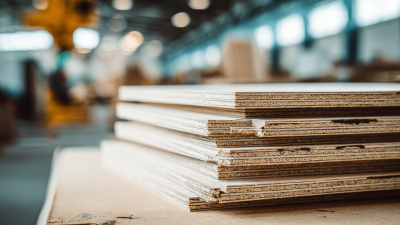
When embarking on your next project, consider WPC foam board as a versatile material. This innovative board combines wood plastic composites, offering durability and lightweight properties. Whether you’re crafting signage, interior designs, or prototypes, WPC foam board can adapt to various needs.
Experienced professionals often recommend this material for its ease of use and flexibility. It can be cut, shaped, and glued with minimal effort. Moreover, WPC foam board is water-resistant, making it a reliable choice for outdoor projects. Its surface can be painted or printed, allowing for creative expression.
However, it’s essential to acknowledge that not all applications may suit WPC foam board. Some users might find it challenging to achieve the desired finish. Testing and experimenting are crucial to make the most of this material. Understanding its strengths and limitations can lead to more successful projects. Embracing WPC foam board can elevate your work, but be mindful of potential pitfalls along the way.
Understanding WPC Foam Board: Composition and Benefits
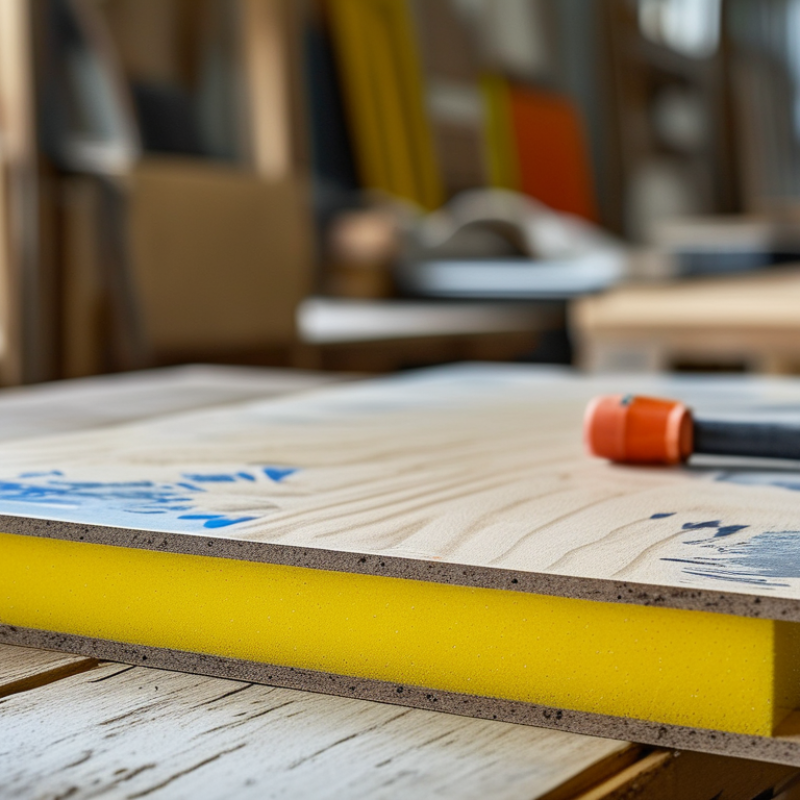
WPC foam board, made from wood-plastic composite materials, offers
durability and versatility for various projects. Its unique composition combines the benefits of both wood and plastic. This results in a
lightweight, waterproof, and environmentally-friendly option.
Reports show WPC foam board has a low environmental impact, making it a sustainable choice.
When using WPC foam board, consider its thermal insulation properties. Studies indicate it can
reduce energy costs in building applications. A practical tip: ensure proper ventilation during installation to avoid
moisture buildup. This can prolong the board's lifespan and effectiveness.
Another essential consideration is the board's ease of fabrication. It can be cut, drilled, and
shaped with standard tools. This adaptability allows for creative designs. However, it's crucial
to practice your cutting technique. Improper cuts can lead to material waste. Pay attention to details like edge finishing, as this can enhance the final appearance of your project.
Choosing the Right Thickness and Size for Your Project Needs
When selecting WPC foam board for your project, the right thickness and size are crucial. The thickness of the board impacts its durability. Thicker boards generally withstand impacts better. However, they can be heavier and more challenging to work with. You need to consider the environment where the board will be used. For indoor projects, a medium thickness might suffice. Outdoor projects may require a thicker board for added strength and protection against the elements.
Size is equally important. A larger board can cover more area, reducing the number of seams. However, large boards may be difficult to handle. It's essential to measure your space accurately before making a purchase. Always keep in mind that cutting boards to the desired size is possible, but it can waste material and time. If unsure about the required size or thickness, consult a professional. They can guide you based on your project’s specific needs and conditions. Balancing size and thickness while considering physical constraints will lead to better outcomes and fewer mistakes.
Thickness Options for WPC Foam Board Projects
This chart illustrates the recommended usage frequency of different thicknesses of WPC foam board in various projects. The data suggests that 10mm thickness is the most frequently used option, followed by 5mm and 12mm options based on user feedback.
Essential Tools and Equipment for Working with WPC Foam Board
Working with WPC foam board requires specific tools and equipment to achieve optimal results.
A high-speed rotary tool is essential for precise cutting. These tools offer versatility and can handle various shapes and sizes with ease.
Accurate cuts contribute to a seamless final appearance, which is crucial for any project. According to industry data, using the right cutting tools improves efficiency by up to 30%.
Adhesives play a pivotal role as well. Selecting the right adhesive ensures strong, lasting bonds. Use synergistic options that are compatible with WPC foam materials.
A study from a leading materials research institute shows that using appropriate adhesives can enhance bond strength by significantly reducing failure rates by nearly 25%. For finishing touches,
sanding tools are important for achieving a smooth surface. This is where attention to detail matters.
Even minor imperfections in the finish can detract from the overall look.
When setting up your workspace, adequate lighting and a clean area are crucial. Poor visibility can lead to mistakes.
It's been reported that 40% of DIY projects experience issues due to inadequate preparation.
Take time to organize your tools and materials. This simple step can minimize frustration and improve the workflow. Ultimately, the right tools and a well-prepared workspace elevate the quality of your project.
Techniques for Cutting and Shaping WPC Foam Board Accurately
When working with WPC foam board, precision is paramount. Ensure you have the right tools. A sharp utility knife or fine-tooth saw works well. Always measure twice. This practice prevents mistakes and wasted material. Mark your cuts clearly. Use a straightedge to guide your knife for clean edges.
Shaping the foam board can be tricky. Heating the material slightly helps to bend it. However, excessive heat can damage the surface. You'll need to practice this technique. Take small sections at a time. Make adjustments as necessary. Mistakes can lead to poor fits in your project. Carving intricate designs requires patience and steady hands. Don't rush this process.
Experimenting is part of the learning curve. Sometimes cuts do not go as planned. These moments can teach valuable lessons. Reflect on what went wrong. Adjust your approach for next time. Remember that practice makes perfect. Don't hesitate to revisit your techniques. Each project will help refine your skills.
Finishing and Maintaining WPC Foam Board for Longevity
When using WPC foam board, maintaining its condition is crucial for longevity. Proper finishing enhances not only the aesthetics but also the durability of the material. For the best results, sand the edges slightly to smooth out any rough cuts. This small step can prevent peeling and enhance the overall look of your project.
Sealing the surface is another important step. Applying a protective coating helps shield against moisture and UV rays. Choose a suitable sealant that is compatible with WPC foam boards. This increases resistance to fading and warping over time. Properly sealed boards can last many years.
Regular cleaning is vital for upkeep. A simple wipe with a damp cloth can remove dirt and dust. Avoid harsh chemicals, as they can damage the surface. Instead, consider using mild soaps or natural cleaners. These small actions can prolong the life of your WPC foam board effortlessly. Remember, the care you invest today protects your projects for the future.
10 Essential Tips for Using WPC Foam Board in Your Projects
| Tip |
Description |
Benefits |
| 1. Choose the Right Thickness |
Select a thickness that suits the project requirements for durability and flexibility. |
Increased strength and reduced risk of damage. |
| 2. Clean the Surface |
Use a mild detergent and water to clean the surface before application. |
Better adhesion of coatings and finishes. |
| 3. Use Proper Adhesives |
Select adhesives specifically designed for WPC materials. |
Enhanced bond strength and longevity. |
| 4. Apply a Protective Coat |
Consider applying a sealant or topcoat for extra protection. |
Increased resistance to moisture and UV damage. |
| 5. Store Properly |
Keep the foam boards in a dry, temperate environment. |
Prevents warping and deformation. |
| 6. Edge Finishing |
Smooth the edges to enhance aesthetics and safety. |
Improved appearance and reduces injury risk. |
| 7. Regular Maintenance |
Inspect and maintain the boards periodically. |
Prolongs lifespan and maintains appearance. |
| 8. Avoid Direct Sunlight |
Keep WPC foam boards away from prolonged exposure to sunlight. |
Reduces color fading and degradation. |
| 9. Consider Weight Load |
Assess the load the board will carry to ensure suitability. |
Prevents breakage and maintains structural integrity. |
| 10. Dispose Properly |
Follow local regulations for disposing of WPC materials. |
Environmental responsibility and compliance. |