What Are the Top 10 PVC Wall Panel Types?
Choosing a wall finish is not only about appearance. Moisture, cleaning needs, room size, and installation conditions all matter. Pvc Wall Panel options vary in profile, surface texture, thickness, and visual effect, so the right type depends on where and how it will be used.
Some panels create a smooth, bright backdrop for a small bathroom. Others imitate marble, wood grain, or stone, bringing more texture to kitchens, hallways, and feature walls. There are also practical differences: panel joints affect the finished look, while surface finishes can change how easily fingerprints or water marks show. Small details matter.
This guide explores ten common PVC wall panel types and the settings where each may work well. It considers appearance alongside practical factors such as cleaning, fitting, and room conditions. Product specifications can differ, and a decorative panel should not be assumed suitable for every wet area. Check the manufacturer’s installation guidance before choosing. A sample helps, too. Color and texture can look quite different under warm bathroom lighting than they do in a showroom.
PVC Wall Panels: Definition, Structure, and Core Features
PVC wall panels are lightweight interior cladding made mainly from polyvinyl chloride, a durable thermoplastic resin. Their structure varies: some are solid sheets, while others have hollow chambers or ribs behind the visible face. These internal spaces reduce weight and can make panels easier to handle, but they do not make every panel equally strong.
The front surface may be smooth, printed, or embossed to imitate tile, stone, or wood grain. Color pigments and surface films create these finishes; the edges often use interlocking tongue-and-groove joints or separate trim pieces. Look closely at a sample. A shallow wood pattern can feel less convincing in bright side lighting.
PVC panels resist everyday splashes and are simple to wipe clean, which suits many kitchens, bathrooms, and utility areas. They are not a cure for leaks or damp walls. Moisture behind poorly sealed joints can still cause trouble. Panel thickness, core design, and tested fire performance differ by product, so check the specification rather than judging by appearance. A smooth, cleanable surface is useful, but it may show scratches or dents more clearly than expected. That trade-off is easy to overlook. Install panels on a sound, prepared surface, and follow the fitting guidance for the chosen system.
How PVC Wall Panels Are Classified by Design, Finish, and Function
PVC wall panels are easier to compare when classified by design, finish, and function. By design, common options include flat panels, embossed 3D panels, and slatted panels. Flat panels create a clean, even surface; 3D designs add raised geometric texture, while slats bring a linear, wood-strip effect. These differences are visible under side lighting, which can make shallow patterns look more pronounced.
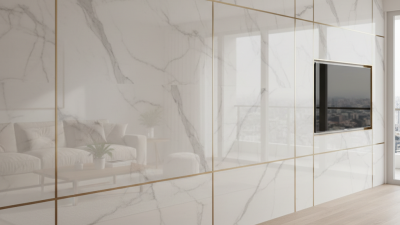
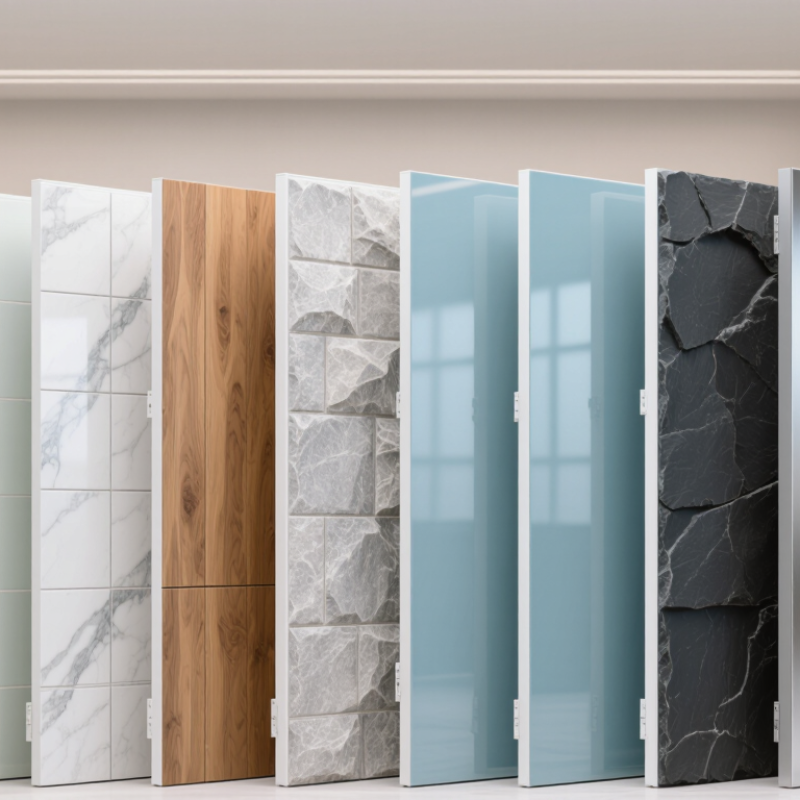
Printed finishes offer another group: marble-look, wood-look, and stone-look panels reproduce familiar surface patterns without using those materials. High-gloss and matte finishes describe how the surface reflects light, rather than its printed design. Gloss can brighten a dim hallway, but it may show fingerprints and uneven walls more clearly. Matte finishes soften reflections. Neither is automatically the better choice.
Function helps identify the final two types: waterproof panels for moisture-prone areas, and panels designed with acoustic backing to help reduce sound reflection. Check the product’s installation guidance and performance details before choosing; a decorative panel is not necessarily suitable for every wet area. The categories overlap. A marble-look panel can also be glossy and moisture-resistant. That can make comparison confusing. It is worth checking the panel’s core, joints, and cleaning requirements, not just the sample’s appearance.
The Top 10 PVC Wall Panel Types and Their Distinctive Characteristics
PVC wall panels differ by profile, surface finish, and construction. Flat panels have a clean, smooth face that suits simple rooms and is easy to wipe down. Tongue-and-groove panels join along narrow edges, creating visible lines and a more traditional look. Beadboard panels use repeated raised strips, often for a cottage-style finish. Three-dimensional panels add sculpted patterns that cast small shadows. Small detail, big effect.
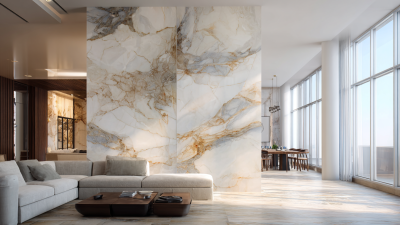
Decorative finishes create another group. Marble-effect panels imitate pale veins or darker stone patterns without the weight of natural slabs. Wood-effect panels show printed grain, while stone-effect panels reproduce rougher textures and varied tones. High-gloss panels reflect light and can make a dim hallway feel brighter, though fingerprints may show. Matte panels reduce glare and give walls a quieter appearance. UV-protected panels are designed to resist fading in brighter spaces; check the product specifications, since protection levels vary.
Core construction also matters. Hollow-core panels are lighter and may be easier to handle, while solid-core options feel denser and can suit areas needing a sturdier finish. These categories can overlap: a marble-look panel may also have a glossy face or a grooved profile. Samples help, but they can still look different under warm bathroom lighting.
What Are the Top 10 PVC Wall Panel Types?
Compare common panel styles by their typical surface-relief level.
Ratings are a qualitative design comparison, not a product-performance test: 1 indicates a mostly flat surface and 5 indicates pronounced relief. Smooth, matte, and high-gloss panels are generally flat; wood-grain and marble-look panels use printed finishes; embossed, beadboard, and slatted styles add visible pattern or grooves; stone-textured and 3D geometric panels typically create stronger surface relief. Actual finishes vary by product.
PVC Wall Panel Types Compared by Durability, Installation, and Maintenance
PVC wall panels differ more by construction than by printed finish.
Hollow-core panels are light and quick to fit, but dents can be harder to repair. Solid-core and foam-backed panels feel sturdier and hide minor wall irregularities, though they weigh more and need sound fixing. Interlocking, tongue-and-groove, and flat sheet panels simplify installation in different ways; large sheets reduce seams, while narrow boards are easier to handle around corners.
3D, marble-look, UV-resistant, and antimicrobial options describe surface features, not guaranteed durability.
For context, the National Association of Home Builders’ 2007 life-expectancy study lists vinyl siding at about 60 years. That is an exterior benchmark, not a service-life promise for interior PVC panels. Indoor performance depends on panel thickness, backing, impact exposure, moisture, and installation quality. A well-sealed joint can limit water entry, but trapped moisture behind a panel still creates trouble. Most smooth PVC surfaces need only a soft cloth and mild cleaner; abrasive pads can scratch the finish.
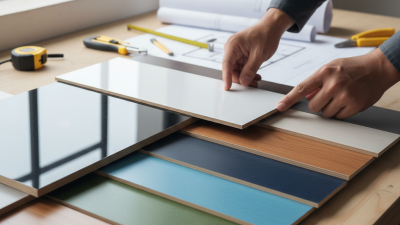
Tips: Check panel thickness, edge fit, and installation instructions before buying. Easy to miss. Test a sample with the room’s lighting, and confirm that the recommended adhesive or fasteners suit the wall beneath it.
My own caution: a convincing showroom sample cannot reveal how a panel will handle years of knocks.
How to Choose the Right PVC Wall Panel for Each Interior Space
What Are the Top 10 PVC Wall Panel Types?
How to Choose the Right PVC Wall Panel for Each Interior Space
PVC wall panels vary in surface, profile, thickness, and finish. Flat panels suit clean, understated rooms, while embossed or stone-effect designs add texture without heavy masonry. Wood-look panels can warm a hallway or bedroom. Glossy finishes reflect light in compact bathrooms, but they also show water spots and fingerprints. Small details matter.
For kitchens and bathrooms, choose panels with sealed joints and a smooth surface that is easy to wipe. Check the manufacturer’s guidance on moisture exposure and installation; “water-resistant” does not always mean suitable for constant splashing. In living areas, decorative fluted, marble-effect, or 3D panels can create a focal wall. Use bold patterns sparingly in narrow rooms. Too much can feel busy.
Measure the wall carefully, including corners and openings, before selecting panel width. Wider panels mean fewer visible joints, though cutting them around awkward fixtures can be less convenient. Check the substrate, ventilation, and fixing method, especially in older rooms with uneven walls. Samples help. View them under the room’s actual lighting, since a cool white panel may look stark beside warm wood. Even careful choices can disappoint if the trim or seams are poorly finished.