2026 Top Carbon Crystal Panel Buying Guide for Global Importers
As the demand for energy-efficient solutions grows, the Carbon Crystal Panel has emerged as a game changer in the global market. Importers looking to diversify their products must consider this innovative technology. With its unique properties, the Carbon Crystal Panel offers excellent heat retention and lightweight design, making it a valuable asset for various applications.
Navigating the market can be challenging. There are many suppliers and product specifications to evaluate. Researching the right qualities, price points, and certifications is crucial. Importers must ensure they select reliable manufacturers with established track records. Transparency in supply chain processes is also vital for long-term partnerships.
While the prospects of the Carbon Crystal Panel are promising, potential buyers should be cautious. It's essential to assess the durability and quality of the panels. Some may fall short of expectations, leading to dissatisfaction. Engaging with expert reviews and user testimonials can provide valuable insight. Finding the right balance of quality and cost will ultimately drive success in this dynamic sector.
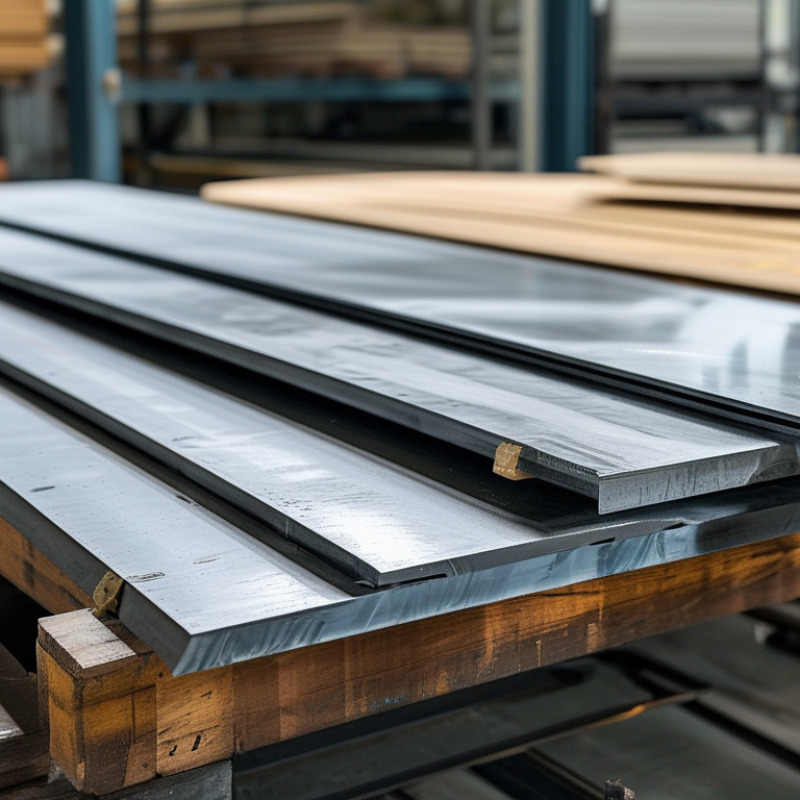
Understanding Carbon Crystal Panels: An Overview
Carbon crystal panels have gained popularity in recent years. They serve as efficient heating solutions in various spaces. These panels utilize advanced technology to generate heat while minimizing energy consumption. Many importers seek these panels for residential and commercial use. Understanding their features is crucial for making informed purchasing decisions.
The construction of carbon crystal panels is unique. They consist of thin layers of carbon, which allows for rapid heating. This design leads to an even distribution of warmth in a room. Users often appreciate the quick response time and energy efficiency. However, potential buyers should assess their specific heating needs before committing. Not all installations require the same type or size of panel.
Some people find the installation process challenging. Proper installation is vital for optimal performance. Improper installation can result in uneven heating or increased energy costs. Evaluating a professional's expertise could help avoid potential pitfalls. Additionally, the market is full of variations in quality and price. This makes careful research essential for importers looking to invest in these panels.
2026 Carbon Crystal Panel Market Trends
This chart illustrates the expected growth of the global carbon crystal panel market from 2019 to 2025, highlighting a significant uptrend in market size, indicating rising demand and adoption of this technology worldwide.
Key Features to Look for in Carbon Crystal Panels
When searching for the perfect carbon crystal panel, consider important features. The panel's thickness matters greatly; it influences both performance and energy efficiency. Thinner panels typically heat more quickly, but thicker ones may provide better insulation. Pay attention to the heating element design, which can affect evenness of heat distribution. Look for panels with advanced thermal technology to ensure a quick response time.
Another critical aspect is the control features. Panels should have easy-to-use interfaces. Programmable settings can enhance convenience. Wireless control options are increasingly popular, allowing users to manage their heating remotely. Ensure that the panel's cord length and placement options work for your space. Compatibility with smart home systems can also be a plus, creating a seamless link in your home automation.
Don't overlook safety features when assessing carbon crystal panels. Overheating protection and automatic shut-off functions are essential. Quality certifications can provide assurance of reliability. Pay attention to product reviews and expert insights. They often highlight user experiences that reveal potential pitfalls. Exploring these features will help you choose the right carbon crystal panel for your needs.
2026 Top Carbon Crystal Panel Buying Guide for Global Importers - Key Features to Look for in Carbon Crystal Panels
| Feature |
Description |
Importance |
Average Price (USD) |
| Heating Efficiency |
Percent of energy converted to heat |
High |
500 - 800 |
| Material Quality |
Durability and resistance to wear |
Medium |
600 - 900 |
| Size Options |
Variety of sizes available |
High |
400 - 700 |
| Safety Features |
Overheat protection and insulation |
Very High |
700 - 1000 |
| Energy Consumption |
Watts used during operation |
High |
300 - 600 |
| Warranty Period |
Duration of manufacturer coverage |
Medium |
Varies by product |
Market Trends and Pricing Strategies for 2026
As the global demand for carbon crystal panels rises, market trends are shifting significantly. Importers need to be aware of these changes. In 2026, a focus on sustainability will dominate purchasing decisions. Companies are looking for eco-friendly materials. This trend influences pricing strategies. Eco-conscious options may initially appear costly. However, they often result in savings over time. Understanding this balance is crucial for importers.
Pricing strategies will evolve with market dynamics. Importers must analyze supply chain costs closely. Factors such as raw material prices and shipping fees can fluctuate. These impacts can vary by region. Furthermore, transparency in pricing is increasingly expected. Buyers desire clear and detailed cost breakdowns. This demand for clarity forces suppliers to reassess their pricing structures.
Importers should also consider local regulations affecting carbon products. Compliance can influence operational costs and pricing models. Adapting to regional standards helps ensure smoother transactions. The challenge lies in navigating these complexities. Staying informed about market trends will guide better decision-making. Attention to evolving buyer preferences will be essential.
Quality Standards and Certifications for Importing Carbon Crystal Panels
When importing carbon crystal panels, understanding quality standards and certifications is crucial. Importers need to ensure that the products meet specific safety and performance criteria. Various organizations set these standards to ensure consistency and reliability. For instance, look for certifications like ISO or IEC compliance. These certifications not only indicate adherence to safety norms but also enhance product credibility.
It is essential to assess the materials used in the panels. High-quality carbon crystals should withstand extreme temperatures and resist wear. Not all suppliers may adhere to these benchmarks. Importers often overlook the importance of suppliers' backgrounds. They might focus solely on price, which can be a risky decision. The relationship with a trusted supplier can affect overall satisfaction and product performance.
When examining certifications, don't skip the fine print. Some certifications may look appealing but have limited global recognition. Research their validity in your target market. Always ask for documentation and verify its authenticity. Investing time in understanding these aspects pays off. It builds a foundation of trust and ensures successful imports.
Logistics and Shipping Considerations for Global Importers
When considering logistics for importing carbon crystal panels, the process can be complex. Global trade data shows that supply chain disruptions impact 55% of importers. Therefore, it’s crucial to establish reliable shipping routes and partners. Sea freight remains the most cost-effective method, accounting for 90% of the world’s trade volume. Despite this, it demands patience due to longer transit times.
Shipping regulations can also complicate the importing process. Compliance with international standards is non-negotiable. According to a recent industry report, 30% of goods face delays due to incomplete documentation. Ensuring all paperwork is correct can streamline operations. This includes customs declarations and import permits, which can vary significantly by region.
Tip: Always work with experienced customs brokers. They understand local regulations and help minimize potential issues.
Additionally, keep an eye on freight rates. They can fluctuate greatly based on market conditions. A flexible approach may help secure better deals. Building strong relationships with suppliers and freight forwarders can provide insights into shifts in logistics trends. This not only improves efficiency but also builds a more resilient supply chain.