How to Choose the Best PVC Foam Board for Your Projects?
When it comes to selecting the best PVC Foam Board for your projects, the right choice can significantly impact your results. A recent report from the Association of Plastic Manufacturers indicates that the demand for PVC Foam Boards has surged by over 25% in the last three years. This growth highlights their versatility and wide application in signage, furniture, and construction.
Renowned industry expert Dr. Emily Chen states, "Choosing the right PVC Foam Board can not only enhance your project's quality but also ensure long-term durability." Her insights emphasize the importance of understanding different types of PVC Foam Boards. Each option comes with distinct features, including density, thickness, and surface finish.
Successful projects often require careful evaluation of these factors. Paying attention to the specifics of each board can prevent costly mistakes. For example, some may not provide the desired finish or durability. Without thorough research, you risk compromising your project's success. Understanding these nuances can lead to better decision-making in your material selection.
Understanding PVC Foam Board: Characteristics and Benefits
PVC foam boards have gained popularity due to their unique characteristics. They are lightweight yet durable, making them suitable for diverse applications. According to industry data, PVC foam boards can have a density ranging from 0.4 to 0.8 g/cm³. This flexibility allows for easy handling in projects.
Moreover, PVC foam boards are resistant to moisture and chemicals. This makes them ideal for both indoor and outdoor use. A technical report highlighted that PVC foam boards can withstand a temperature range of -20°C to 60°C. This temperature resilience broadens their application in various climates.
Another essential aspect is their ease of fabrication. They can be cut, shaped, and printed on without much hassle. However, some users report that cutting can sometimes lead to jagged edges. This requires fine-tuning techniques for a smoother finish. Understanding these characteristics and challenges will guide you in selecting the right PVC foam board for specific needs.
Assessing Your Project Requirements: Key Considerations
When choosing a PVC foam board, project requirements play a vital role. Start by analyzing the specific needs of your project. Consider the environment where the board will be used. Will it be indoors or outdoors? This decision impacts durability and weather resistance. Light exposure and moisture levels can affect the material's longevity.
Next, think about the board's thickness and density. A thicker board usually offers better strength but may be heavier. For intricate designs, a thinner board might be more manageable. Assess whether you need versatility. Some projects demand a board that can be easily cut or shaped. Understanding the tools and techniques you'll use is essential here.
Finally, consider the finish you desire. Different finishes can alter appearance and functionality. A smooth surface might be ideal for printing and painting, while a textured finish can add interest. Reflect on your project’s overall aesthetics. This can influence your final choice more than you expect. Balancing all these factors requires thought and clarity. Sometimes, revisiting your project goals can lead to better decisions.
Comparing PVC Foam Board Types: Density, Thickness, and Color
When selecting a PVC foam board for your projects, understanding the types available is crucial. Density is an important factor. Higher density boards tend to be sturdier and offer better insulation. They can withstand external pressures and provide a longer lifespan. Conversely, lower density options are lighter and easier to handle, making them suitable for temporary displays or indoor use.
Thickness also plays a significant role in your choice. Thicker boards can provide enhanced durability and resistance to bending or warping. They are ideal for signage and structures that need to withstand various environmental conditions. However, thicker boards can be heavier and may require more support. If you’re working on a project that demands flexibility, consider opting for thinner boards, which can be easier to shape and manipulate.
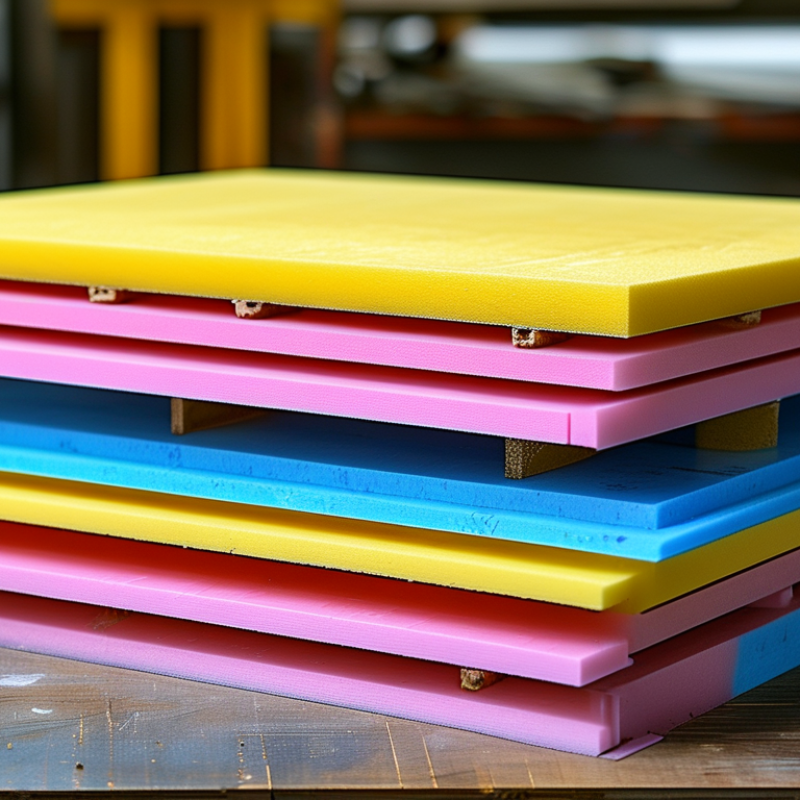
Color options can greatly influence the aesthetic appeal of your project. PVC foam boards come in a variety of colors. This allows for customization to suit your design needs. However, some may fade over time when exposed to sunlight. It’s worth noting that not all colors may be available in every thickness or density. Take the time to explore your options. Consider how color will affect your project’s overall visual impact and longevity.
Evaluating Cost and Quality: Budgeting for Your PVC Foam Board
When choosing a PVC foam board, understanding cost versus quality is crucial. A recent industry report indicates that the average price of PVC foam boards ranges from $30 to $60 per sheet. Budgeting effectively requires assessing both the cost and the specific needs of your project. Lower-cost options may save you money initially but compromise durability and finish. Those seeking longevity should consider investing in higher-quality boards.
Evaluating the quality of PVC foam boards involves considering thickness, density, and surface finish. Reports suggest that boards with a thickness of 10mm or more offer greater structural integrity. A board’s density is also linked to its durability and resistance to warping. For example, a density of 0.6 to 0.8 g/cm³ is optimal for applications requiring sturdiness.
Moreover, keep in mind the potential drawbacks. Some lower-end products may have irregular surfaces or less vibrant colors. Users might find themselves needing to replace these boards sooner than expected, leading to increased costs over time. In contrast, investing in quality boards could mean fewer replacements and enhanced project outcomes in the long run. As you weigh options, consider how much you can realistically allocate without sacrificing the integrity of your work.
Tips for Sourcing and Purchasing PVC Foam Board Efficiently
When sourcing PVC foam board, understanding your specific needs is crucial. Consider the thickness you require for your projects. Thinner boards may be lighter and easier to handle, while thicker options provide better structural integrity. Evaluate the size as well. Larger sheets can reduce waste but may need more storage space.
Don’t forget to examine the finish of the foam board. A smooth surface is ideal for printing and painting, while a textured one may offer better grip for various applications. Look for suppliers who provide samples. This can be a great way to test for durability and flexibility.
Pricing can be tricky. Don’t just go for the lowest price; consider the quality of the material and customer service as well. Ordering in bulk might save money, but be cautious. Poor quality can lead to project delays and dissatisfaction. Ask for reviews and check the return policy. Understanding these factors can help you make informed decisions, leading to successful outcomes.