Why Choose Polyurethane Stone for Your Projects?
The choice of materials significantly impacts project outcomes. Polyurethane Stone has emerged as a popular solution in construction and design sectors. According to a report by MarketsandMarkets, the demand for decorative stones is expected to grow steadily, emphasizing the need for sustainable and versatile options.
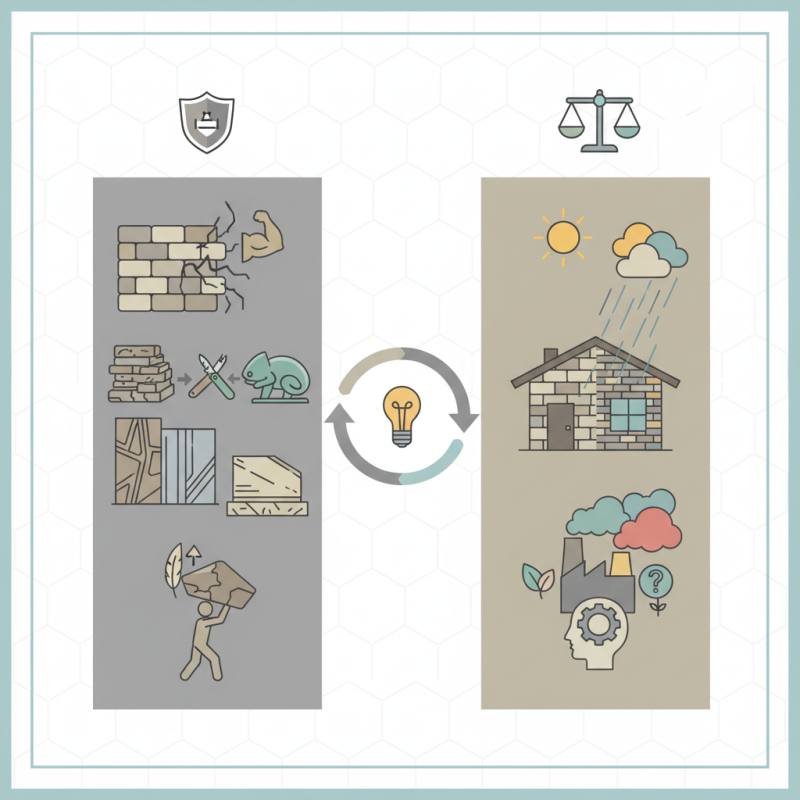
Polyurethane Stone offers unmatched durability, versatility, and aesthetic appeal. Its lightweight nature allows for easy transportation and installation, reducing labor costs. Furthermore, the material's resistance to harsh weather conditions makes it ideal for both indoor and outdoor applications. However, there are concerns regarding its environmental impact due to production processes. It's essential to consider both its benefits and drawbacks.
When selecting materials, professionals need reliable data to guide their choices. Polyurethane Stone embodies a balance of innovation and practicality. Each project requires careful evaluation of available materials. As the construction industry evolves, understanding these factors can lead to more informed, responsible decisions.
Benefits of Using Polyurethane Stone in Construction Projects
Polyurethane stone is an innovative material often used in construction. Its unique properties provide numerous benefits. This synthetic stone mimics natural stones, offering versatility in design. The aesthetic appeal is striking. It can be cast into various shapes and sizes. This adaptability allows for creative architectural solutions.
One significant advantage is its lightweight nature. Polyurethane stone is much lighter than traditional stone materials. This feature simplifies transportation and installation, reducing labor costs. Additionally, polyurethane stone is highly durable. It resists weathering and is less prone to cracking. This makes it a reliable option for both interior and exterior applications.
Another benefit is its insulation properties. Polyurethane stone can help maintain temperature. This leads to energy efficiency in buildings. However, there are considerations. The initial cost may be higher compared to other materials. Proper installation is crucial to avoid issues. Some may find it less authentic than natural stone. Balancing aesthetics with performance is essential for successful projects.
Durability and Longevity: Why Polyurethane Stone Lasts
When considering materials for your projects, polyurethane stone stands out for its durability and longevity. This synthetic stone withstands harsh weather conditions, making it perfect for outdoor applications. Its resistance to cracking and fading ensures that your investment lasts for years. Many homeowners appreciate its low maintenance, as it requires less frequent repairs and replacements compared to natural stone.
However, it's important to note that not all polyurethane stone products are created equal. Some may compromise on quality to reduce costs. It's wise to examine product specifications before making a purchase.
Tip: Always check for warranties and certifications. This can be a good indicator of the product's durability. Look for products that have been tested against extreme conditions. It’s also beneficial to read reviews for insight into real-world performance. Lastly, with a variety of finishes, selecting the right texture can enhance both beauty and function. Remember, the choice you make now will impact your project for many years to come.
Durability Comparison of Materials Used in Construction
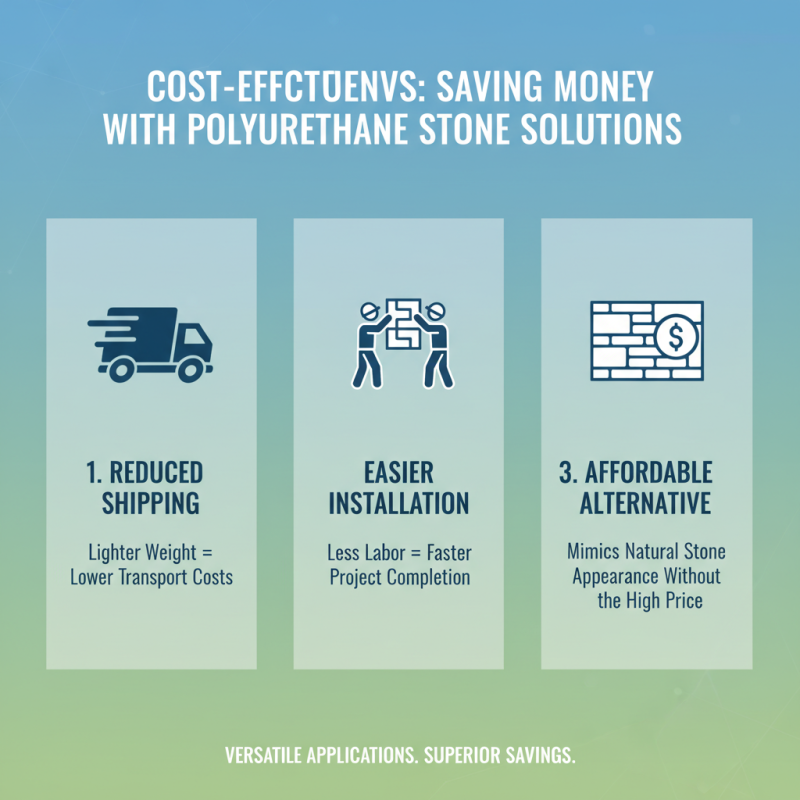
Cost-Effectiveness: Saving Money with Polyurethane Stone Solutions
Polyurethane stone is an innovative material that offers significant cost savings for construction and design projects. Unlike traditional stone, polyurethane stone is lighter and easier to transport. This aspect reduces shipping costs and labor during installation. With their versatile applications, these materials can mimic the appearance of natural stone without the hefty price tag.
Investing in polyurethane stone can lead to substantial budget reductions. The material’s durability means fewer repairs and replacements over time. This sustainability factor adds to long-term savings for homeowners and contractors alike. Additionally, the ease of maintenance helps keep expenses down.
However, some may overlook the importance of thorough research before choosing materials. Not all polyurethane products are created equal, which can lead to unexpected costs. It's crucial to consider the quality and source of the material. Balancing affordability with reliability will yield the best results for any project.
Versatility of Polyurethane Stone in Design Applications
Polyurethane stone offers remarkable versatility in various design applications. Its lightweight nature makes it an ideal choice for both residential and commercial projects. According to industry reports, the demand for lightweight materials has surged by over 30% in the past five years. This trend highlights a clear preference for ease of installation without sacrificing aesthetic quality.
The adaptability of polyurethane stone allows it to mimic natural materials like granite or marble. This feature meets the diverse needs of designers and architects. In a market where 70% of clients prioritize sustainability, polyurethane stone stands out for its eco-friendly properties. Its production process often uses recycled materials, reducing overall environmental impact.
However, some professionals question its long-term durability compared to traditional stones. While polyurethane stone resists chipping and cracking better than concrete, it can still experience wear under harsh conditions. Designers pushing the boundaries of innovation must weigh aesthetics against performance to ensure client satisfaction. Ultimately, understanding the strengths and limitations of polyurethane stone can lead to more informed decisions in design projects.
Why Choose Polyurethane Stone for Your Projects? - Versatility of Polyurethane Stone in Design Applications
| Feature |
Description |
Applications |
| Lightweight |
Easy to handle and install, reducing labor costs. |
Interior and exterior design, landscaping. |
| Durability |
Resistant to weather, moisture, and UV rays. |
Outdoor features, patios, and facades. |
| Versatility |
Can mimic various materials such as stone, wood, and brick. |
Commercial and residential applications, artistic installations. |
| Cost-Effective |
Lower material and installation costs compared to traditional stone. |
Budget-friendly renovations and new constructions. |
| Customization |
Available in various colors, textures, and finishes. |
Tailored design projects, unique architectural elements. |
Environmental Impact: Eco-Friendly Aspects of Polyurethane Stone
Polyurethane stone stands out for its eco-friendly properties. It’s made from materials that can reduce waste. By utilizing a mix of natural aggregates and polymers, it minimizes the reliance on depleting resources. This material can often be produced with less energy than traditional stone methods, lowering its carbon footprint.
Another aspect worth considering is its durability. Polyurethane stone withstands harsh weather and wear over time. This longevity reduces the need for frequent replacements, which can contribute to waste. However, it’s important to reflect on the entire lifecycle of the product. While it offers many benefits, how it is disposed of at the end of its life cycle remains critical.
Beyond durability, polyurethane stone also promotes aesthetic versatility. Its ability to mimic various stone textures and colors allows for creative project designs. However, designers and builders must ensure that their choices align with sustainable practices throughout the construction process. Balancing aesthetics with environmental impact requires continuous thought and effort.