Top Decoration Panel Ideas for Enhancing Your Home Interior Design?
In the realm of home interior design, the right choice of decoration panel can transform any space. These panels not only enhance aesthetics but also add character to your home. With various styles available, selecting the perfect decoration panel becomes an exciting yet daunting task.
The versatility of decoration panels allows them to serve multiple purposes. They can act as focal points or subtle enhancements. From wood to fabric, the material choices are vast. Each type offers a unique vibe. However, finding the right balance is crucial. Overdoing it may lead to a cluttered look.
Embracing decoration panels in your home can spark creativity. Yet, it's important to reflect on your personal style. Consider how well each panel integrates into your existing decor. Does it complement or clash? Thoughtful selection can create harmony. Ultimately, the goal is to elevate your living space while staying true to yourself.
Understanding the Role of Decoration Panels in Home Interior Design
Decoration panels play a crucial role in enhancing home interiors. They introduce texture, color, and style to rooms. According to a 2022 market research report, the global interior design market is projected to grow by 15% annually. This growth underlines the rising importance of innovative design elements, like decorative panels.
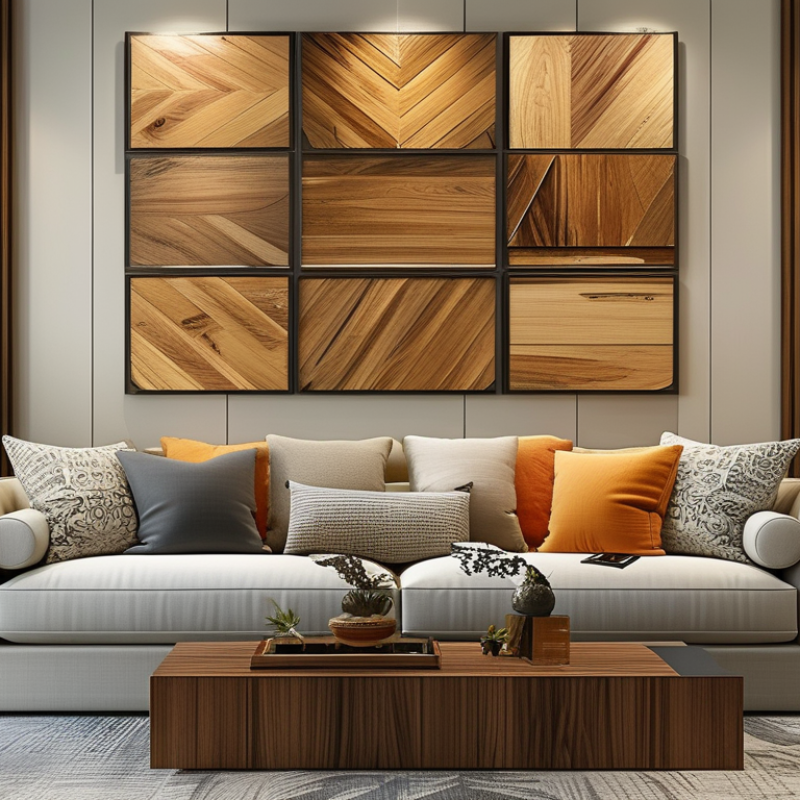
These panels can transform any space. Wood, metal, and fabric options offer diverse aesthetics. Many homeowners opt for panels that reflect personal style while also complementing existing decor. A well-placed panel can serve as a focal point, drawing your eye and creating a sense of harmony.
Tip: Choose a panel that contrasts with your walls to create depth. Consider using textured panels to add visual interest. A study showed that 70% of homeowners believe that decorative panels improved their home's overall appeal. However, always ponder functionality and budget. High-quality panels can improve aesthetics but may come at a steep price.
Investing in decoration panels rewards you with a chic, updated look. Research your options thoroughly to ensure you select the perfect style for your home. Too often, homeowners rush into decisions, neglecting to consider how upscale designs affect their wallet.
Popular Materials for Decoration Panels: Wood, Metal, and Fabric
When it comes to enhancing home interiors, decoration panels are a game changer. They offer both aesthetic and functional benefits. Wood, metal, and fabric are popular materials used for these panels. Each material has its unique qualities that contribute to design versatility.
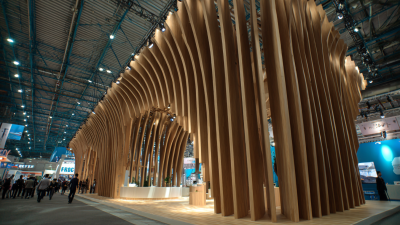
Wood panels can add warmth to a space. They create a cozy, inviting atmosphere. According to a recent report, wood elements increase perceived value in home interiors. However, they require maintenance to keep them looking fresh. On the other hand, metal panels provide a modern, industrial feel. They are highly durable and often used in contemporary designs. Yet, they can feel cold if not balanced with softer materials.
Fabric panels are perfect for creating an atmosphere of comfort. They absorb sound and create a softer environment. Studies show that incorporating fabric can enhance room acoustics. A balance of materials is essential in design. Experimenting with combinations can yield unique results.
Tips for using decoration panels: Focus on scale when integrating panels into your space. Large panels can overwhelm a small room. In contrast, smaller designs may get lost in larger spaces. Also, consider texture—combining materials can lead to intriguing visuals. Remember, design should feel authentic to you, so don’t be afraid to reflect personal style.
Top Decoration Panel Ideas for Enhancing Your Home Interior Design
| Material |
Advantages |
Common Uses |
| Wood |
Warmth, versatility, and durability |
Wall panels, furniture, accents |
| Metal |
Modern aesthetic, strength, and easy maintenance |
Art installations, furniture legs, wall art |
| Fabric |
Softness, texture, and insulation |
Wall hangings, upholstery, cushions |
| Glass |
Light transmission, elegant appearance |
Partitions, shelves, decorative elements |
| Stone |
Timelessness, durability, and luxury |
Countertops, floors, feature walls |
Creative Patterns and Textures for Enhancing Aesthetic Appeal
Decorating your home with innovative panels can significantly transform your interior design. Incorporating creative patterns and textures adds depth and character. Geometric shapes or natural motifs can become focal points in any room. Wall panels with 3D textures create a stunning visual experience. The use of wood, metal, or fabric finishes can bring warmth or sophistication to your space.
Tips: Experiment with different colors and finishes. Consider installing vertical panels to create an illusion of height. Mixing several textures can foster a rich aesthetic. For instance, pairing smooth surfaces with rough textures can stimulate the senses and intrigue the eye. Always reflect on how these choices resonate with your lifestyle and the emotions you wish to evoke.
Don't overlook the ceiling. Decorative ceiling panels can add drama and enhance the overall theme. If done correctly, they can draw the eye upward, making rooms feel larger. However, be cautious: too many patterns can overwhelm the space. Balance is key. Evaluate your decisions carefully and adjust as necessary to maintain harmony throughout your home.
Color Schemes and Finishes: Choosing the Right Style for Your Space
When enhancing your home interior, color schemes and finishes play a crucial role. Selecting the right colors can transform your space dramatically. Consider warm neutrals like beige or taupe for a cozy feel. These colors work well with various decor styles, from modern to rustic. However, it’s essential to balance your choices with proper lighting. Sometimes, the colors may appear different in daylight versus artificial light.
Texture is just as important as color. Matte finishes can provide a clean, understated look. Glossy finishes, on the other hand, add vibrancy and interest. High-gloss paint can reflect light, making small rooms feel larger. Yet, too much gloss might create an overwhelming feel. Aim for a mix of both to create depth. Think about using satin finishes on walls and matte on ceilings. This creates a subtle contrast that can define your space elegantly.
Don’t be afraid to experiment. Testing paint colors in small sections can reveal surprising truths. A color that looks good on a swatch could feel entirely different in your home. Keep a journal of your findings. Document what works and what doesn’t. It’s a process filled with trial and error, but the results can lead to a beautifully curated space. Embrace imperfections in this exploration. Each decision enriches your design journey.
Installation Tips and Techniques for Maximizing Impact of Panels
When enhancing home interiors with decoration panels, installation is crucial. Proper techniques can ensure that panels serve both aesthetic and functional purposes. Research shows that a well-placed panel can increase perceived room size by up to 15%. However, many overlook the importance of alignment and spacing during installation.
Consider utilizing adhesive hooks and brackets that blend with your decor. These can provide secure support without damaging surfaces. A study by the Home Improvement Research Institute indicates that nearly 30% of DIY enthusiasts struggle with panel alignment. Taking the time to measure carefully can mitigate this issue. Always level your panels before securing them. It may feel tedious, but precision is key.
Incorporating mixed materials can elevate your design. For example, combining wood panels with metal accents offers modern charm. Yet, balancing textures is often challenging. Ensure that colors harmoniously flow throughout the room. Reflecting on your choices allows for a coherent design. Remember, it’s about finding harmony, not perfection.
Top Decoration Panel Ideas and Their Popularity