Top 10 PVC Wall Panels for Global Buyers in 2026?
The demand for PVC wall panels is surging globally. As we look ahead to 2026, these versatile materials stand out for their durability and aesthetic appeal. PVC wall panels offer an attractive solution for homeowners and businesses alike. They are easy to install and maintain, making them a preferred choice in various settings.
Many buyers seek stylish options that align with contemporary design trends. With a range of colors and textures, PVC wall panels can transform any space. However, not all products are created equal. It's essential to consider factors such as quality, environmental impact, and brand reputation before making a purchase.
Reflecting on past choices reveals opportunities for improvement. Many buyers have faced challenges with inferior products. High-quality PVC wall panels can prevent these frustrations and enhance long-term satisfaction. In our exploration of the top 10 options for 2026, we aim to provide insights that help buyers make informed decisions for their projects.
Overview of PVC Wall Panels and Their Benefits
PVC wall panels have gained popularity in recent years due to their various benefits. They offer a range of design options while being cost-effective and durable. In 2023, the global PVC wall panel market was valued at approximately $2.6 billion and is projected to grow steadily, driven by increasing demand in residential and commercial spaces.
The lightweight nature of PVC panels makes installation easier, reducing labor costs. They are resistant to moisture and easy to clean, making them ideal for kitchens and bathrooms. Data shows that around 70% of PVC wall panel users report satisfaction with their longevity and maintenance ease. However, there are concerns about environmental impact. While PVC is recyclable, it isn’t biodegradable and may contribute to pollution if not properly disposed of.
Another crucial aspect is the aesthetic versatility of PVC wall panels. They can mimic natural materials like wood and stone, creating elegant spaces. However, not all panels offer the same quality or durability. Buyers should remain cautious and research the specific qualities of the panels they consider. A thorough understanding of materials is essential for making informed decisions in a market filled with options.
Market Trends in PVC Wall Panels for 2026
As we look to 2026, the market for PVC wall panels is evolving rapidly. Buyers need to stay informed about the latest trends. One notable trend is the increasing demand for eco-friendly options. Manufacturers are focusing on sustainability, incorporating recycled materials into their panels. This shift reflects a broader industry commitment to reducing environmental impact.
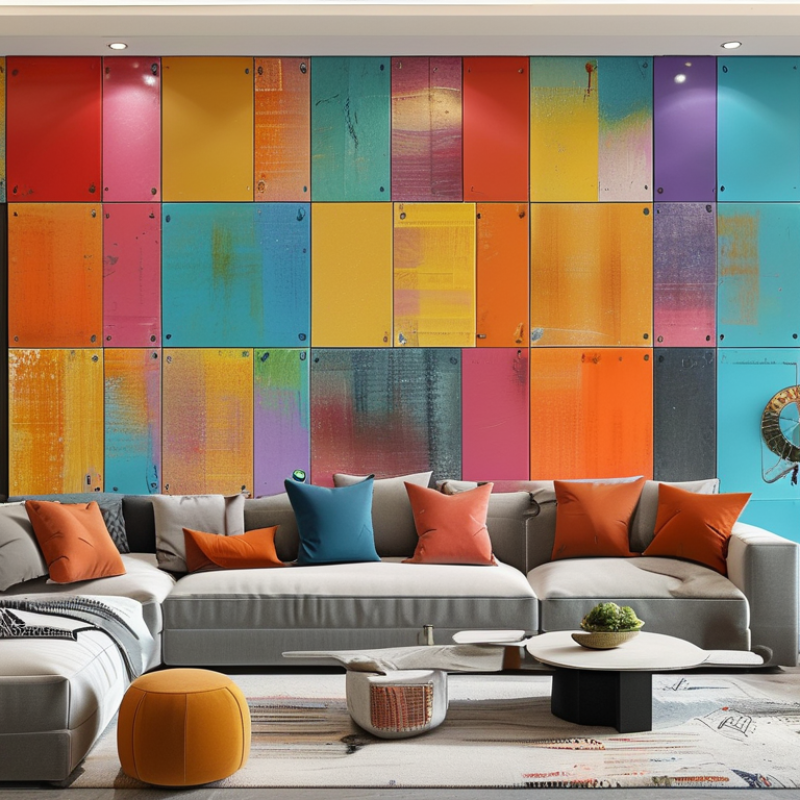
Another significant trend is the rise of customizable designs. Global buyers now seek panels that cater to diverse aesthetic preferences. This demand drives innovation in textures, colors, and patterns. Companies are experimenting with 3D designs and finishes that mimic natural materials. These options offer buyers greater versatility for residential and commercial spaces.
Despite these advancements, challenges remain. Many buyers express concerns about durability. Some panels may not hold up under extreme conditions, leading to dissatisfaction. Additionally, the oversaturation of the market with similar products creates confusion. It's crucial for buyers to thoroughly research their options. Understanding product specifications and long-term performance is essential for making informed purchasing decisions.
Top 10 PVC Wall Panel Manufacturers and Their Innovations
The PVC wall panel industry is evolving rapidly. Manufacturers focus on innovative designs that enhance aesthetics and functionality. Many new panels feature textures that mimic natural materials. This trend helps create a warm, inviting atmosphere in various settings. Sustainable materials are also gaining traction. Some companies utilize recycled content, appealing to environmentally conscious consumers.
The competitive landscape is marked by various innovations. Enhanced durability is crucial for panel longevity. Manufacturers experiment with advanced technologies for better resistance to moisture and impact. Some panels also incorporate antimicrobial properties. This feature is invaluable in spaces like hospitals and schools. Design versatility remains a key strength, with customizable colors and patterns.
However, not all innovations achieve market success. Some products lack proper installation guidelines. This oversight can lead to installation challenges for buyers. The market also sees fluctuations in consumer preferences, which can influence demand. Manufacturers must stay adaptable and responsive to these changing trends. Continuous feedback from customers is essential for future improvements.
Key Factors to Consider When Choosing PVC Wall Panels
Choosing PVC wall panels can be a pivotal decision for any project. Understanding key factors can ensure you make the best choice. The design plays a significant role. You should consider color, texture, and overall aesthetic. Panels should align with your vision. Durability is another critical aspect. High-quality PVC can withstand moisture and wear, making it suitable for various environments.
Tips: Always check the panel’s UV resistance. This feature is essential for outdoor applications. Similarly, look at the installation process. Easy-to-install options can save time and labor costs. If installation is too complex, it may lead to additional expenses.
In terms of safety, examine fire ratings. Panels should meet local regulations. Not all panels perform equally during a fire, so this is crucial. Also, think about maintenance. Some panels require more upkeep than others. Choose options that fit your lifestyle. Testing samples can reveal the panel's actual performance. More reflective or textured surfaces can affect the ambiance of a room.
Future Outlook: Sustainability and Eco-Friendliness in PVC Panels
As we look towards 2026, the demand for sustainable building materials grows. PVC wall panels present a unique challenge in this arena. Their versatility is undeniable. However, the environmental impact of traditional PVC production raises concerns. Many buyers are questioning the lifecycle of these panels.
The future of PVC panels involves significant innovations in eco-friendliness. Manufacturers are exploring bio-based alternatives to decrease carbon footprints. Recycling initiatives are also gaining momentum. They aim to repurpose old panels into new products. This approach reduces waste and appeals to eco-conscious consumers. Yet, these solutions are not without criticism. The efficiency and feasibility of large-scale recycling remain uncertain.
Sustainability in PVC manufacturing requires a commitment to transparency. Consumers need clear information about sourcing and production methods. Increased awareness may lead to higher standards in the industry. Companies cannot merely rebrand old practices. They must genuinely strive for improvement and responsible stewardship. Ultimately, the success of PVC panels will hinge on their ability to evolve with consumer expectations and environmental needs.
The chart above illustrates key sustainability factors influencing the choice of PVC wall panels for global buyers in 2026. The data highlights the importance of sustainable production practices, recyclability, overall energy efficiency, durability, and aesthetic variety in the selection process.