Inquiry
Form loading...

Top 5 Tips for Sourcing Carbon Fiber Panels Worldwide

In the rapidly evolving world of materials, the demand for Carbon Fiber Panels continues to soar. Industry expert Dr. Emily Johnson, a leading researcher in composite materials, states, "Sourcing Carbon Fiber Panels requires a keen understanding of global supply chains." Her insights underscore the complexity of acquiring these advanced components.

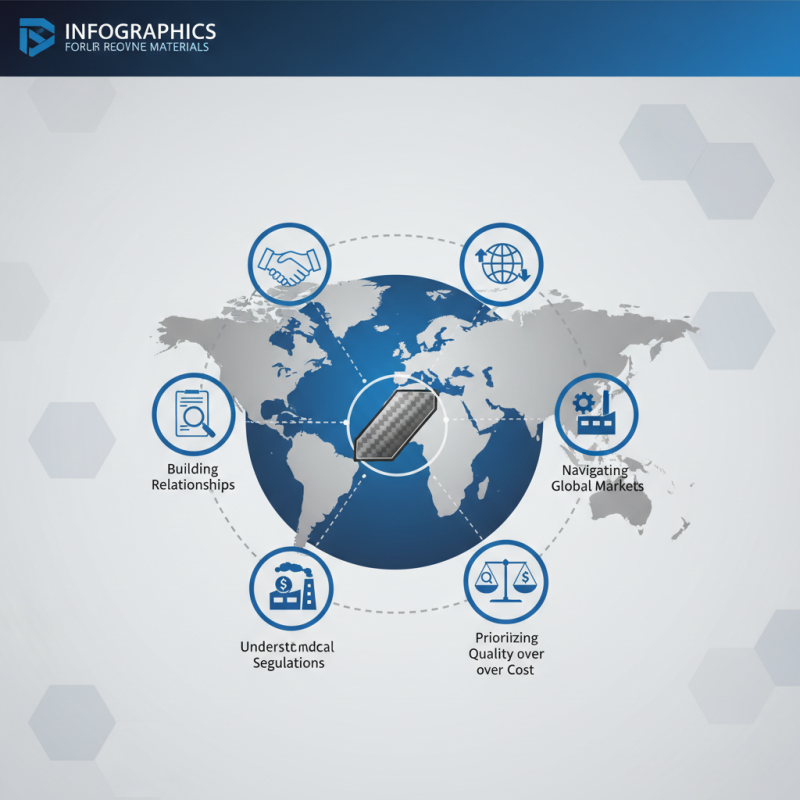
Carbon Fiber Panels are celebrated for their strength and lightweight properties. However, sourcing them can be challenging. Manufacturers must navigate various international markets, each with unique regulations and standards. Communication with suppliers is essential. Building strong relationships can reveal potential risks and opportunities in the sourcing process.

Many companies overlook local suppliers, which can offer quality materials at competitive prices. Others might focus solely on cost, risking material integrity. Reflecting on sourcing methods is crucial for long-term success. Emphasizing quality over price will ensure that manufacturers secure reliable Carbon Fiber Panels for their projects.
Top 5 Tips for Sourcing Carbon Fiber Panels Worldwide

Understanding Carbon Fiber Panels and Their Applications

Carbon fiber panels have gained popularity across various industries due to their lightweight and high-strength properties. They are widely used in automotive, aerospace, and sporting goods applications. Understanding their unique characteristics is essential for effective sourcing. Carbon fiber's superior tensile strength makes it an ideal choice for high-performance products. However, the sourcing process can be complex and requires cautious navigation.

Identify reliable suppliers by checking credentials. Research their history, production capacity, and client reviews. This step builds trust. Quality control is essential; not all carbon fiber panels are created equal. Ask for samples to assess material properties. Strong panels should feel lightweight yet sturdy.

Innovation in carbon fiber composites is fast-moving. Stay updated on market trends, as new materials and techniques emerge frequently. Your sourcing strategy should incorporate flexibility to adapt. Neglecting recent advancements may hinder your project’s success. Suppliers should be open to discussions about customization for specific applications.

Consideration of application requirements is critical. Whether it's for vehicle manufacturing or a sports equipment, specifications matter. Trust your instincts and maintain a dialogue with your suppliers. This fosters better communication and may reveal options you did not initially consider.

Top 5 Tips for Sourcing Carbon Fiber Panels Worldwide

Tip Description Application Areas Key Considerations
1. Research Suppliers Identify and evaluate reputable suppliers for quality assurance. Aerospace, Automotive, Sports Equipment Check certifications and previous client reviews.
2. Understand Material Properties Familiarize yourself with the strength, weight, and other properties of carbon fiber. Construction, Marine Application, Consumer Electronics Consider environmental factors affecting performance.
3. Negotiate Prices Discuss pricing options to secure the best deal without compromising quality. Industrial Applications, Aerospace Be aware of market fluctuations in raw materials.
4. Check for Compliance Ensure that the source adheres to international standards and regulations. Automotive Safety Components, Aerospace Structures Verify compliance with local laws and global standards.
5. Assess Logistics Evaluate shipping and handling logistics to ensure timely delivery. All Markets Utilizing Carbon Fiber Consider cost-effective solutions for transportation.

Identifying Reliable Sourced Locations for Carbon Fiber

When sourcing carbon fiber panels globally, identifying trustworthy locations is crucial. Reliable suppliers often showcase their capabilities through certifications and experience. Look for regions known for advanced composites manufacturing. Countries with strong aerospace and automotive industries usually have a robust supply chain for carbon fiber materials.


Investigate suppliers thoroughly. A site visit can reveal their production standards and quality control processes. Engage in conversations with past clients. Their experiences can highlight a supplier's reliability. It’s vital to question any inconsistencies or red flags during discussions. Transparency is a good sign.


Consider the environmental regulations in sourcing regions. Some areas may have stricter guidelines about carbon emissions and sustainability practices. Suppliers adhering to these laws often reflect a commitment to quality and responsibility. However, do not overlook potential communication barriers or cultural differences in business practices. A diverse approach can enhance your sourcing strategy, but remains a challenge to navigate effectively.

Evaluating Quality Standards and Certifications in Carbon Fiber

Top 5 Tips for Sourcing Carbon Fiber Panels Worldwide

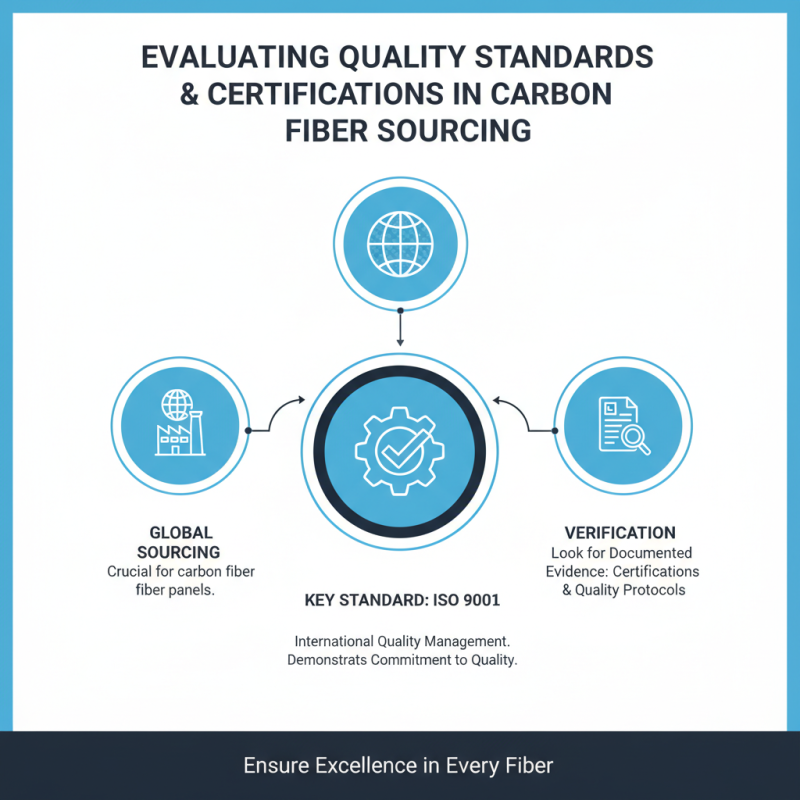
When sourcing carbon fiber panels globally, evaluating quality standards is vital. The International Organization for Standardization (ISO) has set guidelines that manufacturers should adhere to. Compliance with ISO 9001 can indicate a company's commitment to quality management. Look for suppliers that can present documented evidence of their certifications and quality protocols.

Carbon fiber panels vary in quality. The manufacturing process plays a critical role. High tension strength and low weight are desirable characteristics. A study by the Journal of Composite Materials shows that panels with a tensile strength above 500 MPa meet industry demands. Check if your supplier's panels meet or exceed these benchmarks.

Understanding the certifications required for carbon fiber panels can prevent costly mistakes. The key is to assess the testing methods used. Look for panels that have undergone rigorous third-party testing. This adds a layer of reliability to the material's performance. Suppliers should be open about their quality assurance processes.

Focusing on these quality standards helps mitigate potential issues. A well-informed decision leads to better sourcing outcomes. Quality should never be compromised. Ensure clarity on materials and manufacturing standards before finalizing deals.

Building Relationships with Suppliers for Seamless Procurement

Sourcing carbon fiber panels globally requires solid relationships with suppliers. Building trust and ensuring open communication are essential. When suppliers feel valued, they’re more likely to prioritize your needs and offer better prices.

One effective tip is to engage with suppliers at industry events. Attending trade shows allows for face-to-face interaction. You can learn about their capabilities directly and discuss your requirements in detail. This personal touch can lead to more reliable partnerships. Meeting suppliers in person can uncover strengths and weaknesses not visible through emails or phone calls.

Consider adopting a collaborative approach to procurement. Discuss mutual goals and create a shared vision. This fosters a sense of partnership. Suppliers are more likely to go above and beyond when they feel like a part of your success. Regular check-ins can help maintain momentum and address any issues before they escalate. Trust takes time and effort to build, but investing in these relationships is key to successful sourcing.

Staying Updated on Global Trends and Innovations in Carbon Fiber

Top 5 Tips for Sourcing Carbon Fiber Panels Worldwide

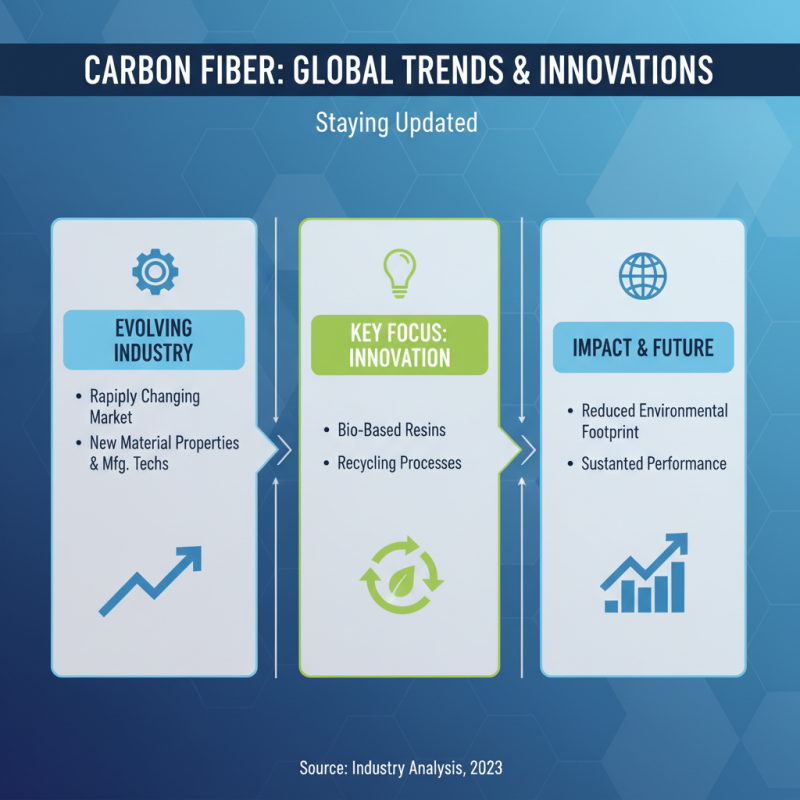
In the rapidly evolving industry of carbon fiber, keeping abreast of global trends is vital. The market is shaped by innovations that redefine material properties and manufacturing techniques. Recently, sustainable practices have emerged as a key focus. Manufacturers are increasingly exploring bio-based resins and recycling processes. This shift helps reduce environmental impact while maintaining performance.

Networking with experts and attending industry conferences can provide insight into these advancements. These gatherings often share case studies and new technologies. Understanding regional differences in carbon fiber supply chains is also essential. Emerging markets may offer different raw materials or skilled labor.

Reflecting on these trends, it becomes clear that adaptation is crucial. Companies must be ready to pivot their sourcing strategies based on new information. Relying on outdated practices may hinder progress. Continuous learning and flexibility will be the cornerstones of successful sourcing in this dynamic field.