Inquiry
Form loading...

What Is WPC Wall Panel and What Types Are Available?

A Wpc Wall Panel combines wood fiber, polymer, and selected additives into a practical interior or exterior surface covering. It can resemble timber while offering more consistent dimensions than many natural boards. In real projects, installers value its resistance to everyday moisture, staining, and minor impact. It is not completely maintenance-free. Dust still gathers in grooves, and poor ventilation can create problems behind the panels.

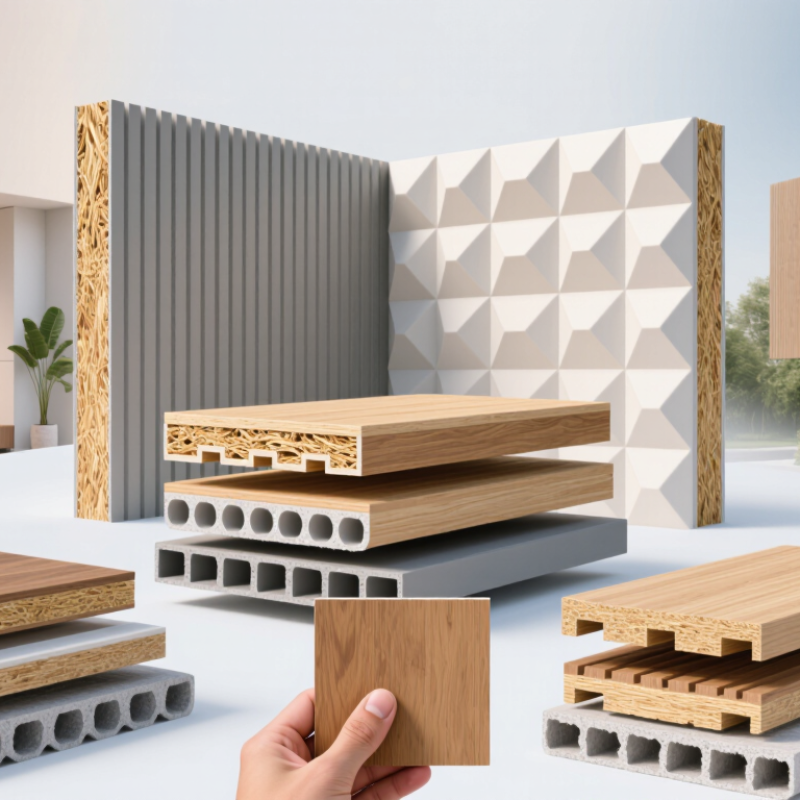
The available types differ in structure, surface finish, and intended location. Solid WPC panels feel denser and can provide a stronger, more substantial appearance. Hollow panels are lighter and may simplify handling on large walls. Co-extruded panels include a protective outer layer, which can improve resistance to fading and moisture penetration. Decorative 3D panels add depth through slatted, fluted, or geometric textures. Some products suit living rooms and offices, while others are designed for balconies, façades, or sheltered outdoor areas.

Details matter.

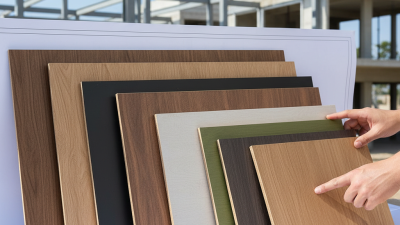
Before choosing a Wpc Wall Panel, check its core composition, dimensions, installation method, and tested performance. A sample can reveal color variation, edge quality, surface texture, and how convincingly it imitates wood. Review the manufacturer’s technical data rather than relying only on photographs or broad marketing claims. Fire performance, thermal movement, drainage, and local building requirements also deserve attention. This article explains what WPC wall panels are, how their main types differ, and where each option may perform best. The right choice depends on climate, wall condition, budget, and expected use—not appearance alone.

What Is WPC Wall Panel and What Types Are Available?

What Is a WPC Wall Panel?

A WPC wall panel is a wall covering made from wood fibers and thermoplastic materials. WPC means wood-plastic composite. Manufacturers blend these ingredients with stabilizers, pigments, and other additives. The mixture is heated, shaped, and cooled into panels or slats. This process creates a surface with a wood-like appearance and more consistent dimensions than many natural timber boards.

WPC panels are available in several practical forms. Hollow panels are lightweight and often use less material. Solid panels feel denser and can provide stronger impact resistance. Slatted panels create narrow shadow lines, while embossed or three-dimensional panels add visible texture. Some products imitate oak grain, stone, or painted timber. The texture should be inspected closely, because printed patterns can look less natural under strong light.

From installation experience, accurate measurement matters. Leave room for expansion around edges, especially in rooms with temperature changes. A panel may resist moisture, but it is not automatically waterproof in every application. Seams, wall conditions, and ventilation still affect performance. Fire ratings, formaldehyde emissions, and outdoor suitability vary by product. Check test documents before specifying panels for a public or damp space. WPC is practical, but it is not magic. It can scratch, fade, or show poor alignment when installed carelessly. A clean cut and a level wall make a noticeable difference.

How Are WPC Wall Panels Manufactured?

WPC wall panels are made from wood fibers or flour, thermoplastic resin, and carefully selected additives. The wood component provides a natural texture, while the polymer helps resist moisture and improves dimensional stability. Common designs include hollow panels, solid panels, slatted panels, and embossed surfaces. Co-extruded panels may also have a protective outer layer.

Manufacturing begins with drying and screening the wood material. Excess moisture can cause bubbles, weak bonding, or surface defects during processing. The dried wood is blended with polymer pellets, pigments, stabilizers, and processing aids. The mixture enters an extruder, where controlled heat and pressure create a uniform compound. It is then pushed through a shaped die to form the panel profile.

Cooling comes next. Calibrating rollers help control thickness, width, and surface alignment. Some panels receive brushing, embossing, or a printed wood-grain finish while the surface remains warm. Cutting equipment then produces consistent lengths. Quality checks should include moisture resistance, impact strength, dimensional change, and color consistency. Small differences still occur between production batches. That detail is easy to overlook. In my experience, poor temperature control often leaves uneven edges or a dull finish. Manufacturers must adjust formulas and machine settings for different panel structures, because a hollow profile does not behave like a solid one.

What Is WPC Wall Panel and What Types Are Available? - How Are WPC Wall Panels Manufactured?
Data Dimension Typical Information Common Options or Range Practical Significance
Definition WPC wall panel means a wall-covering product made from wood fiber or wood flour combined with thermoplastic polymer and selected additives. Wood fiber or flour may be combined with PVC, polyethylene, polypropylene, or other compatible thermoplastics. The composite structure combines a wood-like appearance with the processability and moisture resistance of a polymer matrix.
Typical Material Composition The formulation generally contains wood-based filler, polymer resin, coupling or processing additives, pigments, and stabilizers. Wood content and polymer content vary by product design; there is no single universal formulation for all WPC panels. Composition affects stiffness, weight, surface appearance, moisture behavior, screw-holding ability, and thermal movement.
Main Panel Types Common profiles include hollow-core panels, solid-core panels, slatted panels, embossed panels, co-extruded panels, and decorative 3D panels. Flat, grooved, ribbed, brushed, wood-grain, and geometric surface patterns are widely used. The profile and surface design influence visual style, acoustic behavior, installation method, and material consumption.
Hollow-Core Panel A panel with internal cavities that reduce material use and overall weight. Often manufactured with rectangular, square, or specially shaped internal voids. It can be easier to handle and install, but its load-bearing and impact performance depend strongly on the profile design.
Solid-Core Panel A denser profile with little or no internal cavity. Usually selected where a more substantial feel, improved impact resistance, or deeper machining is required. Solid profiles are generally heavier and may require more supporting structure than hollow profiles.
Slatted or Acoustic-Style Panel A decorative panel formed by repeated ribs or slats, sometimes mounted over a dark backing or acoustic substrate. Slat spacing, rib depth, panel width, and backing materials vary according to the intended design. It can improve visual rhythm and may help diffuse or absorb sound when combined with an appropriate porous backing.
Co-Extruded Panel A panel produced with a protective outer layer bonded to a WPC core during extrusion. The cap layer may improve resistance to staining, moisture, ultraviolet exposure, and surface wear. Performance depends on the thickness, continuity, adhesion, and formulation of the protective layer.
Common Surface Finishes Surface treatments may include wood-grain embossing, brushing, sanding, matte texturing, or a smooth finish. Finishes can imitate timber, stone, concrete, fabric, or geometric patterns without using natural solid wood as the finished surface. Texture affects appearance, cleanability, touch, light reflection, and the visibility of minor scratches.
Standard Manufacturing Sequence Typical production includes raw-material preparation, batching, mixing, compounding, extrusion, calibration, cooling, cutting, surface finishing, and inspection. Some products add co-extrusion, lamination, printing, embossing, or protective coating steps. Each stage must be controlled to maintain consistent dimensions, bonding, color, surface quality, and mechanical performance.
Raw-Material Preparation Wood particles are commonly dried and screened, while polymer pellets and additives are measured according to the selected formulation. Particle size, moisture content, cleanliness, and material uniformity are important control factors. Excess moisture can cause voids, poor dispersion, surface defects, and unstable extrusion.
Mixing and Compounding Wood filler, polymer, pigments, and additives are blended and heated so the polymer can wet and bind the wood-based particles. High-shear mixing or twin-screw compounding may be used, depending on the formulation and production line. Uniform dispersion helps improve color consistency, strength, dimensional stability, and surface quality.
Profile Extrusion The compounded material is pushed through a shaped die to form a continuous wall-panel profile. Die geometry determines the panel width, thickness, grooves, ribs, cavities, and connection features. Extrusion enables continuous production of repeatable profiles and integrated installation details.
Calibration and Cooling The hot profile passes through sizing equipment and cooling sections to stabilize its dimensions. Vacuum calibration, water cooling, air cooling, or a combination may be used. Controlled cooling helps reduce warping, shrinkage, twisting, and dimensional variation.
Surface Treatment After forming, the panel may be embossed, brushed, laminated, printed, coated, or co-extruded. Surface treatment is selected according to the required decorative effect and protection level. Decorative layers should be firmly bonded and suitable for the expected indoor or outdoor exposure.
Cutting and Edge Processing The continuous profile is cut to length and may receive trimming, grooving, drilling, or edge finishing. Edges may be square, tongue-and-groove, clip-compatible, or designed for concealed fastening. Accurate cutting and edge geometry support faster installation and cleaner joints.
Installation Methods WPC wall panels are commonly installed over a level substrate or supporting framework. Methods include screws, clips, adhesive systems, battens, or combinations of mechanical and adhesive fixing. Substrate flatness, ventilation, expansion allowance, fastener compatibility, and panel alignment are essential.
Moisture Behavior WPC panels generally resist moisture better than untreated wood, but they are not automatically waterproof in every application. Performance depends on resin type, wood content, profile design, surface protection, joints, and installation conditions. Water exposure, drainage, ventilation, and edge sealing should be considered before using panels in wet areas.
Thermal Movement Because the polymer matrix expands and contracts with temperature, WPC panels require allowance for dimensional movement. Expansion gaps and fixing details vary according to panel length, temperature range, color, and installation environment. Ignoring movement can lead to buckling, joint opening, deformation, or fastener stress.
Typical Quality Checks Inspection may cover dimensions, color, surface finish, profile integrity, moisture condition, impact behavior, and bonding quality. Additional tests may evaluate water absorption, weathering, fire performance, screw holding, and thermal stability. Test requirements should match the intended application and applicable local building regulations.
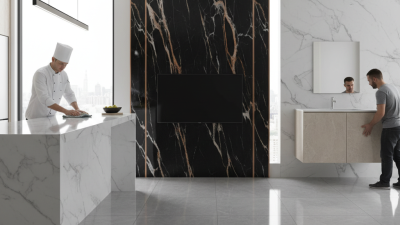
Common Applications WPC wall panels are used for interior feature walls, ceilings, partitions, commercial decoration, sheltered exterior areas, and selected facade applications. Suitability varies by product specification and exposure level. Panels should be selected according to indoor or outdoor conditions, fire requirements, impact demands, and maintenance expectations.
Maintenance Routine care usually involves dust removal and cleaning with a soft cloth and a mild, compatible detergent. Abrasive cleaners, harsh solvents, excessive heat, and unapproved pressure-washing practices may damage the surface. Following the product's cleaning instructions helps preserve color, texture, and protective finishes.

Note: WPC wall-panel properties and manufacturing parameters vary by formulation, profile design, production equipment, and intended application. Always verify the technical specification and applicable building requirements for the selected product.

What Are the Main Types of WPC Wall Panels?

WPC wall panels are commonly classified by core structure, surface finish, and installation purpose. The most practical split is between hollow and solid panels. Hollow panels contain internal chambers, reducing weight and material use. They are easier to carry and can cover large interior walls quickly. However, thin sections may feel less rigid around screws. Solid panels provide denser support and better impact resistance. They also weigh more and usually demand a stronger fixing system.

A second classification concerns the outer layer. Standard panels expose a blended WPC surface with a printed or brushed wood pattern. Capped panels add a protective polymer skin over the core. This layer can improve stain resistance, color stability, and moisture protection. It is not a cure-all. Poor edges, trapped water, or weak joints can still cause trouble. Embossed finishes create deeper grain, while smooth finishes collect less dust and clean faster.

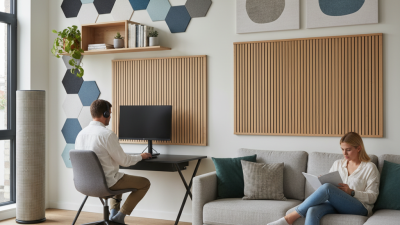
For rooms, decorative slat panels often combine narrow strips with a backing felt. They soften echoes and create a warm vertical rhythm. Their felt backing may need careful dust control. Exterior WPC cladding usually uses thicker profiles, drainage gaps, and UV-resistant surfaces. Ventilation behind the panels matters more than many buyers expect. Before choosing a type, check panel density, fire documentation, expansion allowance, and fastener compatibility. A sample tested against a damp wall often reveals more than a brochure. Some panels look excellent under showroom lighting, yet their joints appear uneven at home.

How Do WPC Wall Panels Differ in Design and Application?

WPC wall panels combine wood fiber with polymer materials, creating a stable surface for interior walls. Their design can vary from narrow slats and deep grooves to smooth, stone-like sheets. Embossed textures catch light differently throughout the day. Color also affects the room’s character. Warm oak tones soften bedrooms, while charcoal surfaces give offices a sharper appearance. Details matter.

Design changes more than appearance; it influences installation and use. Slatted panels can add rhythm to a reception wall, but their grooves collect dust. Flat panels clean more easily in corridors and dining areas. Some profiles improve visual depth, while others help conceal uneven substrates. In moisture-prone rooms, installers should check the panel’s water resistance, joint design, and ventilation conditions. WPC is moisture-resistant in many applications, but it is not automatically waterproof. Not every room suits them.

Application also depends on fixing methods, wall condition, and local safety requirements. A dry, level substrate usually supports cleaner joints and fewer movement problems. Small expansion gaps may be necessary because temperature changes can affect panel dimensions. Acoustic performance should be verified through tested data, not assumed from a textured surface. Fire classification and indoor air quality documents deserve equal attention, especially in commercial interiors. A few assumptions still need challenging. Beautiful texture cannot repair poor preparation, weak fastening, or unsuitable placement.

What Factors Should Guide Your Choice of WPC Wall Panel?

Choosing a WPC wall panel starts with the room, not the appearance. WPC usually combines wood fibers and thermoplastic resin. Available types include hollow-core, solid-core, co-extruded, grooved, and flat panels. Wood-grain finishes suit bedrooms, while stone-like textures can strengthen a commercial reception area. Every option behaves differently during cutting and installation.

Moisture should guide your decision. For bathrooms or laundry rooms, select panels with sealed surfaces and stable joints. Ask for water-resistance test data, rather than trusting attractive product photos. Ventilation still matters. WPC is moisture-resistant, not magically waterproof.

Think about impact, cleaning, and daily wear. Solid panels may suit busy corridors because they tolerate knocks better. Hollow panels are lighter and often easier to install. However, their internal structure can affect sound and screw holding. I once chose a lightweight panel for a renovation, then discovered that the fixing points needed extra support. That mistake cost time.

Check the panel’s dimensions, expansion allowance, and installation method before ordering. Large temperature changes can create movement, especially near windows or heating equipment. Surface texture also matters; deep grooves collect dust faster than smooth finishes. Review fire-performance ratings, emissions information, and local building requirements. Reliable documentation is more useful than vague claims. Color consistency deserves attention too. Samples can look different under warm lighting. Budget for trims, adhesive, fasteners, cutting waste, and skilled labor. A cheaper panel may become expensive after installation problems.

What Is WPC Wall Panel and What Types Are Available?

WPC wall panels are composite boards made from wood fiber or flour, thermoplastic resin, and additives. The chart compares typical thickness and face-width ranges commonly found in three WPC wall-panel constructions.

What Factors Should Guide Your Choice?

Choose hollow-core panels when low weight and easier installation are priorities. Solid-core panels are generally better suited to areas requiring greater rigidity and impact resistance. Co-extruded panels add a protective outer layer, making them a practical option for moisture-prone locations and projects that require improved surface durability. Always verify the manufacturer’s technical specification, fire rating, water-resistance classification, and installation requirements before purchase.