2026 Top Bamboo Charcoal Panel Benefits for Global Buyers?
As global awareness of sustainability grows, the demand for products like the Bamboo Charcoal Panel rises. Experts in the industry highlight the importance of this material in eco-friendly construction and design. Dr. Sarah Thompson, a leading authority in sustainable materials, once stated, "Bamboo Charcoal Panels represent a breakthrough in blending nature with modern living."
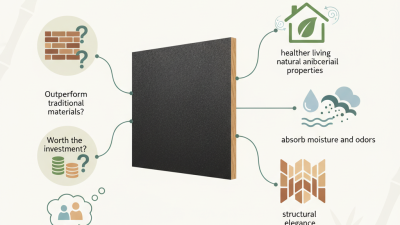
These panels, made from the charred remains of bamboo, carry numerous benefits. They offer natural air purification qualities, reducing indoor pollutants. The unique porous structure of bamboo charcoal allows it to absorb excess moisture, promoting a healthier living environment. Additionally, these panels can regulate temperature, enhancing energy efficiency in homes and offices.
However, as the market expands, buyers must navigate various options. Not all Bamboo Charcoal Panels are created equal. Quality can vary greatly between manufacturers. It's essential for consumers to seek reliable suppliers who prioritize sustainability and ethical sourcing. Engaging with trusted sources ensures the purchase of effective and eco-friendly products.

Understanding Bamboo Charcoal Panels: An Overview
Bamboo charcoal panels are gaining fame in interior design and construction. These panels are made from carbonized bamboo, which is a sustainable resource. Their unique properties make them an attractive option for many applications. The process of creating these panels involves heating bamboo at high temperatures, which enhances their absorptive qualities.
These panels are effective in improving indoor air quality. They can absorb moisture and odors, creating a fresher environment. This feature is particularly beneficial in homes and offices. Their natural ability to regulate humidity helps prevent mold growth. However, some buyers may overlook the need for proper placement to optimize these benefits.
The aesthetic appeal of bamboo charcoal panels cannot be ignored. They add a natural touch to design. Despite their advantages, they may not be suitable for every setting. Some users report that the panels can emit a slight smell initially. This can be a consideration when deciding on installation. Overall, these panels provide a blend of functionality and beauty, making them a worthy option for various projects.
Key Health Benefits of Bamboo Charcoal Panels for Buyers
Bamboo charcoal panels are gaining attention for their numerous health benefits. These panels are made from natural bamboo, which is known for its eco-friendly properties. Bamboo charcoal is created through a high-temperature process that enhances its absorptive capacity, making it effective in various applications.
One key health benefit is air purification. Bamboo charcoal panels effectively absorb odors, toxins, and excess moisture from the air. This makes indoor environments healthier and more pleasant. Additionally, they can help reduce allergens, which is crucial for allergy sufferers. Their porous structure enhances air circulation, promoting a fresher atmosphere.
Another aspect worth noting is the potential for improved sleep quality. The detoxifying properties of bamboo charcoal are believed to create a calming effect in bedrooms. By reducing harmful pollutants, these panels contribute to a more restful sleeping environment. However, users should remain aware of individual sensitivities; some may not notice significant changes. Each experience may differ, prompting users to reflect on their specific needs.
Eco-Friendly Properties and Sustainability of Bamboo Charcoal Panels
Bamboo charcoal panels are gaining attention for their eco-friendly properties. Made from sustainable bamboo, they serve a dual purpose: reducing waste and providing effective building solutions. Bamboo grows rapidly, requiring fewer resources compared to traditional woods. This makes bamboo charcoal panels a responsible choice for environmental advocates.
These panels possess excellent air-purifying abilities. They absorb toxins and odors, improving indoor air quality significantly. In addition, they help regulate humidity levels, creating a healthier living environment. However, it’s crucial to source these materials from trusted suppliers to ensure authenticity. Without proper verification, buyers might miss out on quality benefits.
While bamboo charcoal panels are versatile, they also pose challenges. Their performance can vary based on the production process. Some panels may not deliver the promised benefits if not made correctly. Buyers should be aware of these variations. Researching and understanding the specifications of bamboo charcoal panels is vital. Each choice impacts sustainability and overall effectiveness.
Applications and Use Cases of Bamboo Charcoal Panels in Various Industries
Bamboo charcoal panels have gained traction across multiple industries due to their unique properties. In construction, these panels are valued for their thermal insulation and moisture resistance. Studies from industry reports indicate that bamboo charcoal can reduce energy consumption by up to 30% in building applications.
In the automotive sector, these panels are utilized for their formaldehyde absorption capabilities. They help maintain air quality inside vehicles, contributing to a healthier environment for drivers and passengers. Recent data shows that using bamboo charcoal in car interiors can lower VOC levels by over 50%. This shift toward eco-friendly materials is reshaping the automotive landscape.
Tips: Consider using bamboo charcoal panels in your next renovation. They are not only sustainable but also offer long-term cost savings through energy efficiency. Industry experts suggest that integrating these panels into building designs can improve indoor air quality significantly.
Another area of application is the textile industry, where bamboo charcoal fibers are used in activewear. These fibers help regulate temperature and wick moisture, making them ideal for sports clothing. However, challenges persist in scaling production sustainably.
As interest grows, it's essential to research suppliers carefully. The quality of bamboo charcoal can vary widely, impacting performance and efficacy. Always seek verified sources for the best results.
2026 Top Bamboo Charcoal Panel Benefits for Global Buyers
| Application |
Industry |
Benefits |
Use Case Example |
| Air Purification |
Home & Commercial |
Absorbs odors and harmful substances |
Indoor air quality improvement |
| Moisture Regulation |
Agriculture |
Controls humidity and encourages growth |
Soil enhancement for crop production |
| Odor Control |
Food & Beverage |
Keeps products fresh and odor-free |
Storage of perishable goods |
| Thermal Insulation |
Construction |
Enhances energy efficiency |
Eco-friendly building materials |
| Antibacterial Properties |
Healthcare |
Reduces risk of infections |
Bamboo charcoal in medical supplies |
Factors to Consider When Choosing Bamboo Charcoal Panels for Purchase
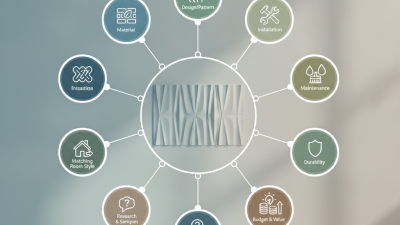
When choosing bamboo charcoal panels, several key factors come into play. Buyers should consider the density and composition of the panels. Reports show that higher density panels can absorb more moisture and odors. Density levels above 0.3 g/cm³ are effective for superior air quality. This makes them ideal for various applications, from home to commercial environments.
Another critical aspect is the sourcing of the bamboo. Ethical sourcing is essential for sustainability. Bamboo charcoal has a lower environmental impact than other materials. In fact, it sequesters more carbon than it releases during its lifecycle. Global buyers should always verify the sourcing practices of suppliers to ensure they align with eco-friendly standards.
Finally, be attentive to certifications when purchasing these panels. Certifications indicate compliance with safety and quality standards. Not all products on the market have these credentials. Buyers should conduct thorough research before making a decision. Relying on safe and trustworthy options is crucial for long-term satisfaction.
2026 Top Bamboo Charcoal Panel Benefits for Global Buyers