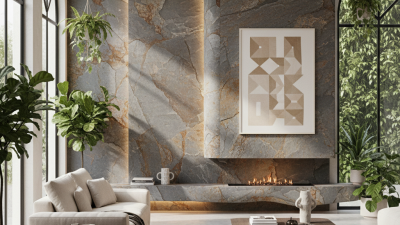
2026 Best Flexible Stone Types for Global Buyers?
In 2026, global buyers are looking beyond appearance when selecting Flexible Stone. They need reliable performance, stable supply, and clear technical documentation. A warm slate veneer may suit a hotel wall, while a lighter sandstone finish can brighten a compact retail space. Marble-based surfaces often create a refined look, but their higher price may not suit every project. Each stone type has a different balance of texture, weight, flexibility, and maintenance needs.
Real purchasing decisions depend on more than sample photographs. Buyers should examine backing materials, sheet thickness, surface consistency, bending limits, moisture resistance, and installation instructions. A 1.5-millimeter veneer may work well on curved columns, yet it may require careful handling around sharp edges. Supplier experience also matters. Ask for batch samples, recent test reports, packaging photos, and references from comparable projects. Small details can prevent large delays.
No single stone wins.
Field feedback often reveals color variation between batches. That variation can be attractive, but it may frustrate buyers expecting identical panels. Freight conditions, climate, and installer skill can also affect the final result. This guide compares the most practical Flexible Stone types for international buyers in 2026, including slate, sandstone, marble, quartzite, and other natural finishes. It also considers sourcing reliability, environmental claims, customization, and long-term value. Some recommendations remain open to debate. A lower-cost option may appear efficient, but replacement risk can change the real budget. Careful verification remains essential.
What Is Flexible Stone and How Is It Made?
Flexible stone is a thin natural-stone veneer designed to bend over gentle curves. Manufacturers usually split slate or sandstone into sheets about 1–2 millimeters thick. They laminate each sheet to fiberglass, fabric, or polymer backing. Resin fills weak zones and stabilizes the surface. Heat, pressure, and curing create a lighter panel. The process sounds simple. It is not always consistent.
For 2026 purchasing, inspectors should check thickness across corners, backing adhesion, and exposed fissures. A reliable sheet bends gradually, not sharply. Its surface should retain the stone’s grain after trimming. The USGS Mineral Commodity Summaries 2024 reported approximately 1.9 million metric tons of U.S. dimension-stone production in 2023. This indicates a substantial raw-material sector. Flexible stone uses less mass per installed area, but that does not automatically prove lower environmental impact. Extraction, resin content, transport, and replacement rates still matter.
The UNEP and GlobalABC Buildings Global Status Report 2023 estimated that buildings and construction caused 37% of global energy-related and process-related carbon dioxide emissions in 2022. Lightweight finishes may reduce handling and transport loads. Project results still depend on distance and installation waste. Global buyers should request layer composition, net thickness, batch tolerances, fire classification, water absorption, and adhesion data. Ask for test methods, not only attractive certificates. Surface beauty can hide weak backing.
2026 Best Flexible Stone Types for Global Buyers
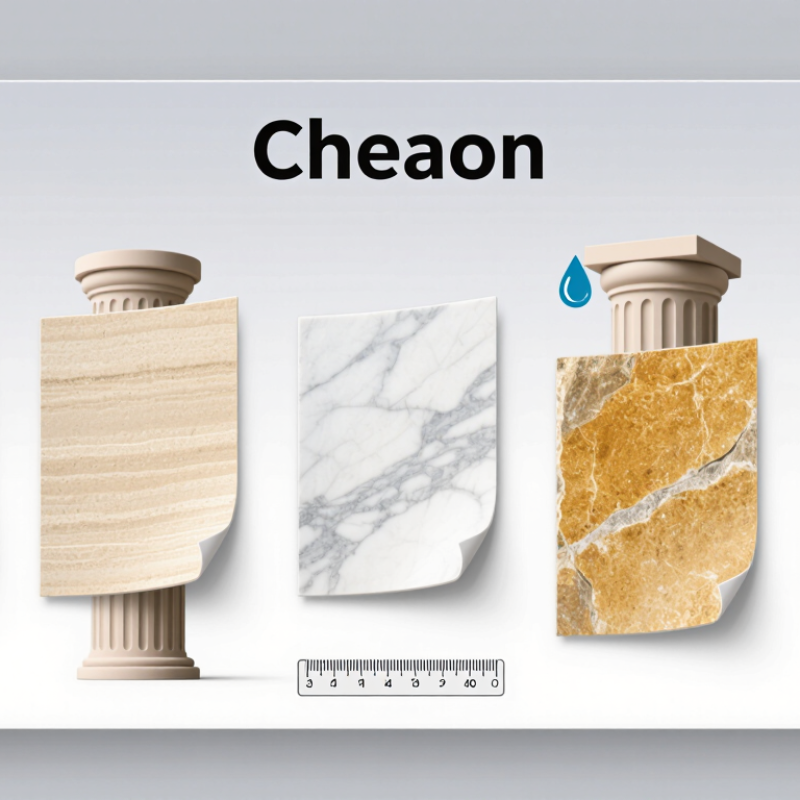
Flexible stone is a thin layer of natural stone, usually separated from a stone surface and reinforced with a fiberglass or resin backing. Slate, marble, sandstone, and travertine are common source materials. Their Mohs hardness ranges help buyers compare scratch resistance, although actual performance also depends on thickness, backing, sealing, and installation quality.
Slate is often selected for textured wall finishes, marble for decorative interiors, sandstone for warm natural colors, and travertine for porous, rustic surfaces. The hardness values shown are typical ranges for the natural source stone and are not a universal specification for every flexible-stone product.
Which Flexible Stone Types Are Available in 2026?
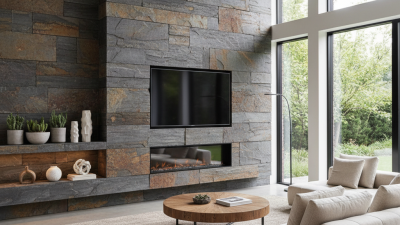
Flexible stone in 2026 is available in several natural varieties, each offering a different surface character. Slate remains popular for its layered texture, deep gray tones, and strong resistance to everyday wear. Sandstone provides warmer colors, including beige, rust, and muted gold. It can make interior walls feel less cold.
Quartzite offers a harder surface and visible mineral movement. It suits feature walls, reception areas, and carefully protected exterior details. Marble flexible stone creates a refined appearance, but its veining can vary greatly between sheets. Limestone gives a softer, calmer finish, although it may need more protection from moisture and staining.
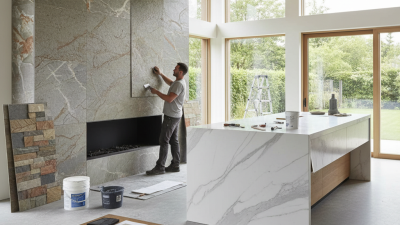
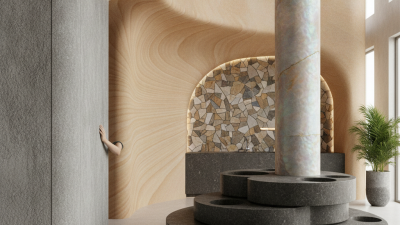
Most products use a thin stone layer bonded to a flexible backing. This construction helps the material follow curved columns, counters, and rounded wall edges. During installation trials, small sheets often reveal practical issues, such as uneven corners or visible joints. These details deserve attention before a large order.
Thickness, backing quality, sheet size, surface sealing, and fire documentation should be checked with suppliers. Color samples are useful, but natural stone can change under warm or cool lighting. Outdoor buyers should also confirm freeze-thaw performance and water absorption data. Availability may differ by quarry, processing capacity, and destination market. No single stone type fits every project.
What Should Global Buyers Check Before Choosing a Product?
2026 Best Flexible Stone Types for Global Buyers?
Global buyers should judge flexible stone by performance, not appearance alone. Natural slate veneer offers strong texture and useful bending ability. Marble veneer gives a refined surface, but its thin layers may show cracks during handling. Sandstone feels warmer and more varied, though its absorption rate requires careful checking.
Some products use a reinforced backing, while others rely on resin. This difference affects flexibility, weight, cutting, and installation.
Request samples before placing a large order. A small sample can reveal uneven thickness, loose particles, or color changes under different lighting.
Tips:
Check the minimum bending radius, panel thickness, backing material, water absorption, fire performance, and surface treatment. Ask for recent test reports and batch photographs. Confirm whether the product suits walls, curved columns, furniture, or outdoor areas. Packaging also matters. Thin panels can arrive damaged after long sea transport. Specify corner protection, moisture control, and carton strength in writing.
Reliable purchasing requires more than a product catalogue. Compare samples from different batches. Measure weight and thickness with basic tools. Ask how installers should cut, seal, and bond the material.
Climate can change results; humid coastal conditions may expose weak backing faster than dry interiors. Some suppliers provide impressive figures, but testing methods may differ. That needs attention.
I would also allow extra material for color matching and breakage. Buyers sometimes focus too heavily on price. That choice can become expensive when installation fails or replacement batches look different.