Best Sound Absorbing Panels for Effective Noise Reduction?
In today's increasingly noisy environments, finding effective solutions for noise reduction is crucial. Sound Absorbing Panels have emerged as popular choices for both residential and commercial settings. According to the National Institute of Health, prolonged exposure to noise can lead to various health issues, including stress and hearing loss. This highlights the importance of implementing sound management strategies.
A recent study indicated that spaces treated with Sound Absorbing Panels can reduce noise levels by up to 50%. These panels not only improve acoustics but also enhance the overall quality of life. However, it is essential to choose the right type of panel for your specific needs. Various materials and designs are available, each with differing absorption capabilities.
While there are many effective options, some users report mixed results. Installation can be tricky if not done correctly. Therefore, understanding the product specifications and the installation process is vital. For those seeking to minimize noise pollution, investing in high-quality Sound Absorbing Panels can be a game changer. But it is essential to reflect on the unique acoustic challenges of each space to make an informed decision.
Types of Sound Absorbing Panels and Their Applications
When selecting sound absorbing panels, understanding their types and applications is crucial. Acoustic panels come in various materials. Fiberglass panels are known for their superior absorption qualities. They are effective in both commercial and residential spaces. According to research by the National Institute of Health, sound absorption can reduce noise levels by up to 50% in poorly designed rooms. This demonstrates the significant impact of choosing the right type of panel.
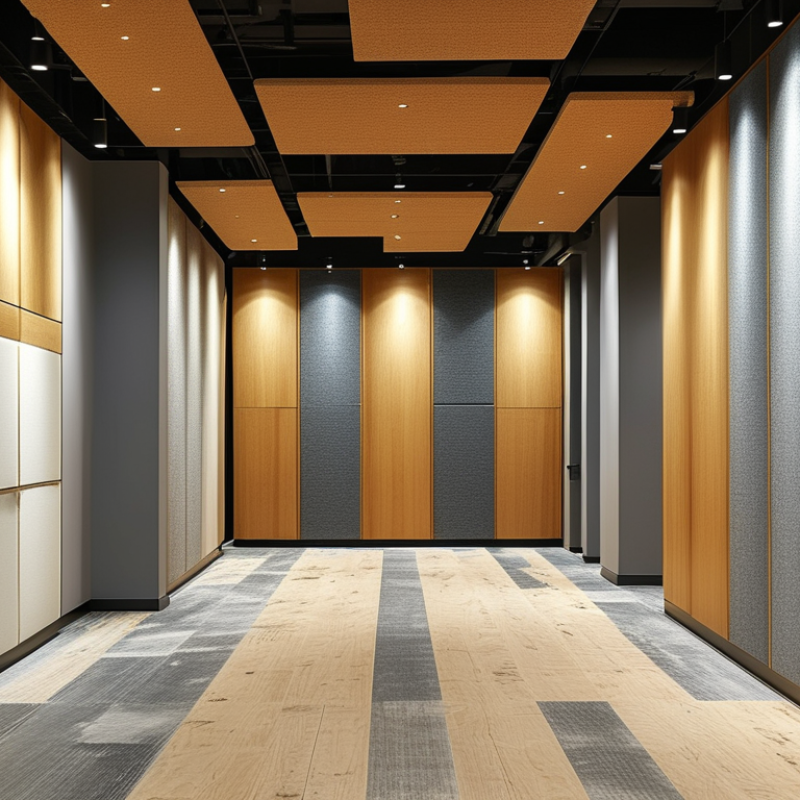
Fabric-wrapped panels are another popular option. They offer aesthetic versatility while effectively reducing reverberation. Research indicates that they can help manage sound in spaces ranging from recording studios to home theaters. Their absorption rates often peak around mid to high frequencies, making them suitable for environments where speech intelligibility is vital.
However, it’s essential to recognize that not all sound absorbing panels perform equally. Some may underperform in specific applications. Industry reports highlight that improper installation can lead to reduced effectiveness. Therefore, evaluating space acoustics and consulting with an acoustical professional can provide insights for optimal results. Understanding the unique needs of a room is essential for effective noise reduction.
Factors to Consider When Choosing Sound Absorbing Panels
When selecting sound absorbing panels, several factors deserve attention. First, material type plays a crucial role. Different materials absorb sound waves in unique ways. Foam panels are lightweight and easy to install, but may not provide the same level of absorption as denser materials like mineral wool.
Next, the thickness of the panels matters significantly. Thicker panels tend to absorb lower frequencies better than thinner ones. Consider your space's specific needs. If your room has echoes or is prone to loud noises, thicker panels may offer greater benefits. Room size also influences effectiveness. Larger spaces may require more panels to achieve desired sound reduction.
Aesthetics should not be overlooked. Panels come in various colors and designs, allowing you to blend them with your interior. However, trendy options might not always provide optimal sound absorption. Additionally, installation methods vary. Some panels are adhesive, while others require mounting hardware. Carefully evaluate your preferences and comfort level with installation. Balancing functionality with design is essential for achieving a peaceful environment.
Top Brands and Products for Noise Reduction Solutions
When it comes to effective noise reduction, choosing the right sound-absorbing panels is critical. Various materials, like fabric-wrapped panels or foam products, differ in appearance and efficacy. Fabric panels, for example, are often favored for home theaters due to their aesthetic appeal. On the other hand, foam panels are lightweight and easy to install, making them popular for studios.
The effectiveness of these panels largely depends on their thickness and density. Thicker panels usually absorb lower frequencies better than thinner options. For a more peaceful environment, evaluating the specific noise issues in your space is essential. Some installation challenges may arise, and it is key to address them early.
Research shows that different brands excel in various applications, from offices to sound studios. Not every panel is suitable for every situation. Careful selection and proper placement of these panels can significantly reduce echo and improve sound quality. Consider the room's acoustics before deciding, ensuring the best results for your noise reduction projects.
Best Sound Absorbing Panels for Effective Noise Reduction
| Panel Type |
Material |
Thickness |
NRC Rating |
Price per Panel |
| Acoustic Foam |
Polyurethane |
2 inches |
0.9 |
$20 |
| Fabric Wrapped |
Mineral Fiber |
1 inch |
0.85 |
$35 |
| Wood Fiber Panels |
Wood Fiber |
1.5 inches |
0.75 |
$45 |
| Polyester Panels |
Recycled Polyester |
2 inches |
0.95 |
$50 |
| Soundproofing Blankets |
Fiberglass |
2 inches |
0.8 |
$30 |
Installation Tips for Effective Sound Absorbing Panels
When installing sound-absorbing panels, preparation is key. Choosing the right location can drastically improve their effectiveness. Studies show that placing panels on walls that face noise sources can reduce sound by up to 40%. If a room is too large, it may require more panels. Avoid overcrowding; too many panels can hinder aesthetics and create an overwhelming feel.
Measure the wall area before installation. Use a level to ensure panels are straight. An uneven surface can reduce their effectiveness. Position panels at ear level for optimal sound absorption. Comfortable spacing between panels allows sound waves to penetrate effectively. Research indicates that a gap of at least one inch enhances sound absorption.
Consider using adhesive strips for easier installation. They allow for repositioning, which can be beneficial during initial trials. Adjustments are sometimes necessary; not every position yields the desired effect. Practice patience, as sound absorption can take time to evaluate fully. Regularly assess your setup. It's essential to be open to changes and improvements based on sound quality feedback.
Comparative Analysis of Different Materials Used in Panels
When considering sound-absorbing panels, different materials significantly impact effectiveness. Common options include foam, fabric, and wood. Acoustic foam is lightweight and versatile. It’s ideal for home studios or offices where noise reduction is essential. However, not all foam is created equal. Dense foam offers superior absorption but may be pricier.
Fabric-wrapped panels combine aesthetics with functionality. They come in various colors and patterns, enhancing room decor. These panels sometimes lack the absorption power of thicker options. On the other hand, wood panels provide a natural look and decent sound control. However, they may not absorb lower frequencies effectively.
Tip: Think about your space’s acoustics before choosing panels. Test different materials in small areas. This can help identify what works best for your needs.
Consider combining different panels for optimal results. For example, use thick foam behind wooden panels. This layered approach can capture a broader range of frequencies. While selecting panels, reflect on your specific environment. Not every solution is perfect, and sometimes compromise is necessary. Each material has its strengths and limitations. Understanding these can guide you toward the best sound-absorbing solution.