Why Choose Bamboo Charcoal Panels for Your Next Project?
Bamboo Charcoal Panels have become a notable choice in sustainable building materials. They offer unique benefits that align with modern eco-friendly trends. A report by the International Journal of Environmental Research highlighted that bamboo charcoal can absorb harmful toxins and pollutants effectively. This ability makes Bamboo Charcoal Panels ideal for enhancing indoor air quality.
In recent years, the construction industry has seen a shift towards sustainable options. Statistics show that the global bamboo market is expected to exceed $98 billion by 2025. This growth reflects increasing awareness of bamboo's environmental benefits. It is essential to consider that while Bamboo Charcoal Panels provide numerous advantages, they may not suit every project. Understanding their properties is critical for making informed choices.
Employing Bamboo Charcoal Panels can lead to long-term advantages. They have natural insulating properties that help reduce energy costs. However, potential buyers should also reflect on their installation process and aesthetics. It is vital to match materials with project goals and design. This ensures that Bamboo Charcoal Panels not only serve functional purposes but also enhance overall design appeal.
Advantages of Bamboo Charcoal Panels in Construction and Design
Bamboo charcoal panels are gaining traction in construction and design for several reasons. These panels are known for their sustainability. According to a report by the World Wildlife Fund, bamboo grows rapidly, making it a renewable resource. This rapid growth can yield up to 20 times more timber than conventional trees in the same time span.
One of the standout advantages is their natural insulation properties. Studies show that bamboo charcoal has a thermal conductivity value of around 0.13 W/m·K. This means it can effectively help maintain comfortable indoor temperatures, which can reduce energy costs. Additionally, these panels can absorb pollutants and improve air quality. A recent survey indicated that using bamboo charcoal in homes can decrease indoor VOC levels by up to 50%.
However, there are challenges. Importing bamboo can sometimes be costly. Not all suppliers maintain high environmental standards. This creates a need for thorough research before procurement. Despite these points, bamboo charcoal panels represent a promising option in sustainable architecture and design. Their aesthetic appeal, combined with functionality, makes them an attractive choice for modern projects.
Advantages of Bamboo Charcoal Panels in Construction and Design
Sustainability Benefits: Eco-Friendly Aspects of Bamboo Charcoal
Bamboo charcoal panels are not just trendy; they’re sustainable. Bamboo is one of the fastest-growing plants on Earth. It can grow up to three feet in just one day. This rapid growth means harvesting it does not harm the environment. Unlike traditional timber, bamboo replenishes itself quickly.
Additionally, bamboo charcoal has unique properties. It acts as a natural air purifier. Its porous structure absorbs toxins and odors effectively. This can improve indoor air quality without harmful chemicals. Many studies highlight its benefits for health and wellness.
Using bamboo charcoal also reduces waste. The production process utilizes parts of the bamboo that might otherwise go unused. This minimizes landfill waste and promotes a circular economy. It inspires individuals and businesses to seek eco-friendly alternatives, giving them a chance to reflect on their choices. However, not all bamboo products are created equally. It is essential to research and ensure that they are sustainably sourced.
Health Properties of Bamboo Charcoal: Air Purification and More
Bamboo charcoal panels are becoming popular in many projects. Their health properties, especially in air purification, make them a choice worth considering. Bamboo charcoal absorbs toxins and impurities from the air. It can trap harmful compounds like formaldehyde and benzene. This natural ability improves indoor air quality significantly.
Using bamboo charcoal panels in a room can help reduce musty odors too. This creates a fresher, cleaner environment. The panels can act as natural deodorizers. They remove unwanted smells without using chemicals. A concern is how long their effects last. They need regular maintenance to rejuvenate their properties.
Integrating bamboo charcoal panels into your design might be a step forward. However, you should measure their effectiveness. Not everyone sees immediate results. Some may experience a gradual improvement over time. It’s essential to balance expectations with reality. Observing how your space evolves can lead to valuable insights. Your awareness can enhance the overall experience of using bamboo charcoal.
Versatility of Bamboo Charcoal Panels for Various Applications
Bamboo charcoal panels are gaining popularity across multiple industries due to their remarkable versatility. These panels are made from compressed bamboo charcoal, which offers not only aesthetic appeal but also functional benefits. Studies reveal that bamboo charcoal can absorb moisture and odors, making it ideal for use in areas like bathrooms, kitchens, and even commercial spaces. According to a report by the Journal of Cleaner Production, bamboo charcoal has exceptional adsorption properties that outperform many conventional materials.
In construction, these panels serve as an eco-friendly alternative to traditional insulation materials. Research indicates that bamboo charcoal panels can improve indoor air quality by filtering harmful pollutants. They can be used in both residential and commercial building projects. This alignment with green building standards is crucial as more architects look for sustainable materials. When planning your next project, consider the potential long-term benefits of bamboo charcoal.
Tip: Evaluate the local climate when choosing bamboo charcoal. In humid areas, it excels at moisture control. However, its benefits may diminish in excessively dry conditions.
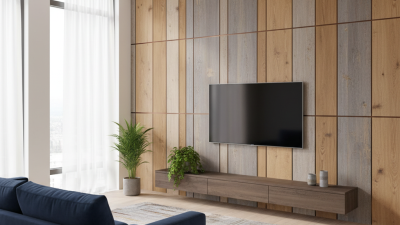
The application of bamboo charcoal panels extends to furniture design and décor. Homeowners can incorporate these panels in wall art, room dividers, or soundproofing. They blend seamlessly with various styles while providing the added advantage of enhanced acoustics. Yet, some might find the initial costs higher than traditional materials, which requires careful budgeting and planning.
Tip: Always research suppliers and installation practices. Quality can vary significantly, affecting performance and longevity.
Why Choose Bamboo Charcoal Panels for Your Next Project? - Versatility of Bamboo Charcoal Panels for Various Applications
| Application |
Benefits |
Environmental Impact |
Durability |
| Interior Wall Panels |
Aesthetic appeal, sound absorption |
Sustainable sourcing, carbon negative process |
Long-lasting, resistant to warping |
| Furniture Production |
Stylish design, lightweight |
Biodegradable, minimal ecological footprint |
Sturdy, can support heavy loads |
| Construction Insulation |
Energy-efficient, reduces noise |
Utilizes renewable resources |
High thermal resistance |
| Air Purification |
Odor elimination, mold reduction |
Natural air cleansing properties |
Durable and long-lasting effectiveness |
Comparing Bamboo Charcoal Panels with Traditional Materials
Bamboo charcoal panels are an innovative alternative to traditional building materials. They offer unique properties that can enhance any project. Unlike conventional wood or plastic panels, bamboo charcoal is lightweight and has natural antibacterial qualities. These features make bamboo panels not just functional but also environmentally friendly.
When comparing with traditional materials, bamboo charcoal panels stand out for their durability and resilience. They resist moisture and mold better than standard wood products. However, some may find the initial cost slightly higher. Reflecting on this trade-off is crucial. Is the long-term benefit worth the upfront expense?
Tips for selecting bamboo charcoal panels include checking for certifications. Ensure they meet safety standards. This reduces risks in your projects. Additionally, consider the aesthetic appeal. Bamboo panels can provide a modern, sleek look, enhancing interior spaces. However, not all designs will suit every project. Therefore, visualize how they fit with your overall vision before making a choice.