Inquiry
Form loading...

How to Choose the Right Interior Design Style for Your Home?

Choosing an interior design style is less about copying a perfect room and more about noticing what feels right in your own home. Interior designer Nate Berkus has said, “Your home should tell the story of who you are, and be a collection of what you love, brought together under one roof.” That idea offers a useful starting point: look at the objects, colors, and textures you already choose and enjoy.

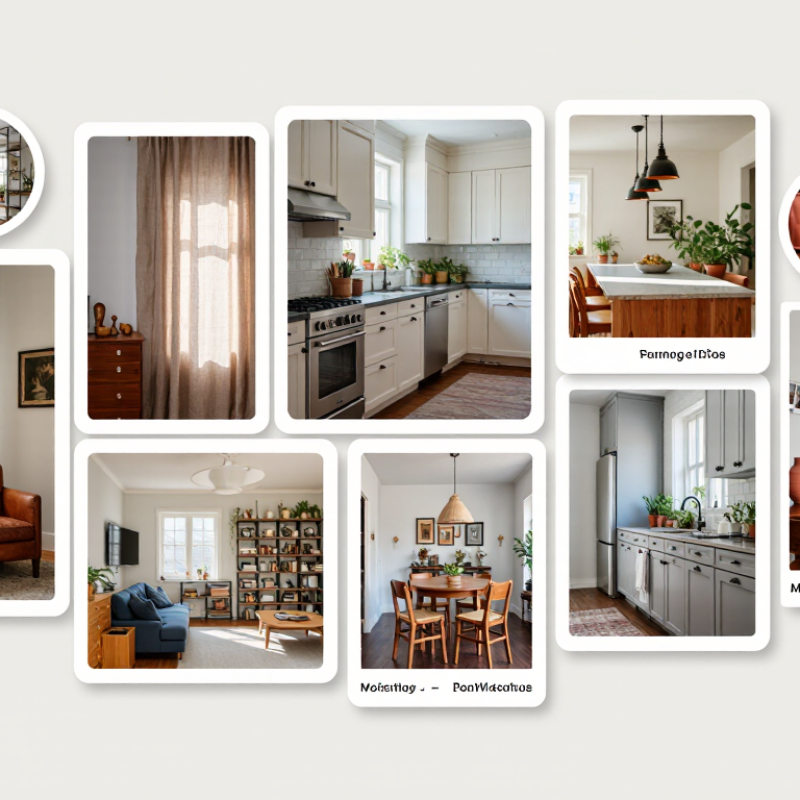
Begin with real-life details. Notice whether you prefer linen curtains, warm wood, clean lines, or the worn leather chair you would never replace. Consider how each room is used, how much daylight it receives, and what needs to be stored. A family kitchen, for example, may need durable surfaces more than delicate styling. Take photos of rooms that appeal to you, then look for patterns rather than matching every image.

There is no single right answer. Styles can overlap. A room may feel modern but still hold a vintage table and handmade pottery. That can work beautifully. It can also look confusing if colors, scale, or materials compete. I have seen a favorite trend feel wrong once it meets a home’s actual light and layout. That is worth admitting. Before buying furniture, test paint samples, measure carefully, and live with a small change. The following guide explores how to identify your preferences, compare popular styles, and make thoughtful choices that suit your space, budget, and daily routines.
How to Choose the Right Interior Design Style for Your Home?

Assess Your Home’s Architecture, Layout, and Natural Light

A home’s architecture is a useful starting point, not a rulebook. In a narrow Victorian room, tall windows and detailed trim may suit a layered style; in a low-ceilinged ranch, simpler profiles can keep the space from feeling crowded. Check the fixed features first: ceiling height, window placement, flooring, and door swings. Then map how people move through the rooms. A style should support that movement, not block it with oversized furniture.

Natural light changes how finishes look throughout the day. The U.S. Energy Information Administration’s 2015 Residential Energy Consumption Survey estimated that lighting accounted for about 5% of household site energy use. Daylight cannot replace every fixture, but it can guide where you need softer lamps or stronger task lighting. Look at the room in morning and late afternoon. A pale paint sample may appear warm at noon and unexpectedly gray by evening. I still find this easy to misjudge from a single snapshot.

Tips: Measure first. Note where sunlight falls, and test paint or fabric samples beside the actual windows. Keep bulky pieces away from narrow paths. If a room feels awkward, question the layout before changing its style. A small mismatch between the architecture and your preferred look is not a failure; it may simply need a lighter touch.
Identify Your Household’s Needs, Habits, and Practical Constraints

A room should fit the people who use it, not just a photograph. Notice where your household gathers, where bags land, and which corners stay empty. Small details matter. A family with young children may need wipeable surfaces and clear paths, while someone working from home may value quiet and layered lighting. These needs can point toward a style, but they do not have to dictate every choice.

Track a normal week before settling on a look. Do meals happen at a crowded kitchen island? Does a pet sleep on the sofa? Measure doorways, walkways, and furniture before buying anything; a beautiful chair is frustrating if it blocks the route to the balcony. Consider daylight, storage, cleaning time, and what you already own. Practical limits are part of the design brief. They are not failures.

Then compare styles against those routines. A minimalist room may feel calming, yet offer too little closed storage for a busy household. A richly layered interior can feel welcoming, but dusting every shelf may become a chore. Gather fabric and paint samples, and view them in the room’s morning and evening light. I once underestimated how much a dark rug showed crumbs. It was a small mistake, but a useful reminder: choose for real life, including the bits that are less photogenic.

Explore Interior Design Styles and Their Defining Features

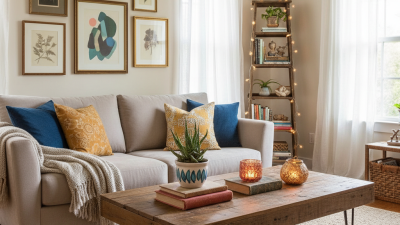
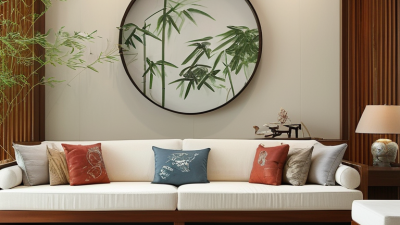
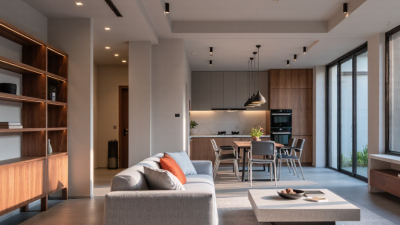
Interior design styles have distinct visual cues, but they work best as guides rather than strict rules. Traditional rooms often use balanced layouts, detailed woodwork, and layered fabrics. Modern spaces favor clean lines, open surfaces, and restrained decoration. Scandinavian interiors bring pale wood, soft textiles, and plenty of natural light. Industrial rooms may feature exposed brick, metal, and visible structure. Coastal spaces often pair light colors with woven textures and simple shapes. Look closely at what each style feels like, not just its name.

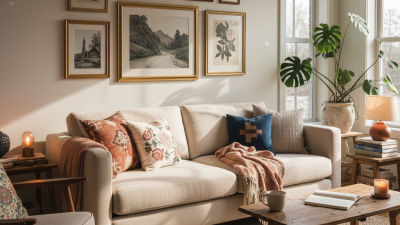
A room can borrow from more than one style. A linen sofa might soften a modern space, while a dark timber table can add warmth to a coastal room. Consider the home’s existing details, too. A low ceiling or a narrow hallway may make some furniture choices feel awkward. I would not chase a perfect match; even a carefully planned room can look a little too polished.

Tips: Save images that share colors, materials, or shapes, then compare them. Test paint in daylight and evening light. Measure walkways before buying furniture. Keep one detail you genuinely love, even if it does not fit the style perfectly. That matters.

How to Choose the Right Interior Design Style for Your Home? — Explore Interior Design Styles and Their Defining Features
Design Style Defining Features Typical Colors and Materials Furniture and Decor A Good Fit If You Prefer Practical Consideration
Modern Clean lines, uncluttered rooms, and an emphasis on function. “Modern” generally refers to design movements of the early to mid-20th century. Neutral colors, wood, glass, metal, and materials such as concrete. Streamlined furniture, simple shapes, and carefully selected accents. A pared-back look with a clear, orderly feel. Keep storage in mind: fewer visible objects can make everyday clutter more noticeable.
Contemporary Reflects current design trends rather than one fixed historical period. Often features open layouts, simple forms, and a mix of materials. Frequently uses neutrals with contrasting tones; finishes can include wood, glass, metal, and stone. Current silhouettes, sculptural lighting, and a mix of textures. A fresh look that can evolve as tastes change. Because trends shift, use flexible accessories for elements you may want to update.
Scandinavian Practical simplicity, comfortable spaces, natural light, and restrained decoration. Light neutrals, pale woods, wool, cotton, and other natural textures. Functional furniture with simple shapes, cozy textiles, and modest accents. A bright, calm home that still feels warm and lived-in. Light finishes can show marks; choose durable, easy-care materials for busy areas.
Industrial Draws on the look of workshops and warehouses, often leaving structural details visible. Brick, concrete, exposed metal, reclaimed wood, and a palette of neutrals. Sturdy, straightforward furniture and utilitarian lighting. A rugged, urban atmosphere with visible architectural character. Hard surfaces can make a room feel echoey; rugs, curtains, and upholstery help soften sound.
Traditional Uses established design details, balanced arrangements, and a sense of formality. Rich wood tones, patterned fabrics, and layered, often deeper colors. Detailed furniture, symmetrical layouts, and classic decorative pieces. A composed, familiar look with a sense of history. Detailed furnishings can feel heavy in small rooms; balance them with light colors and open space.
Mid-Century Modern A 20th-century style associated with simple forms, functional design, and an integration of indoor and outdoor living. Wood, molded materials, glass, and a mix of neutral and saturated colors. Low-profile furniture, tapered legs, and geometric shapes. Clean-lined vintage character without ornate detailing. Choose pieces for comfort and scale, not just appearance; low furniture may not suit every household.
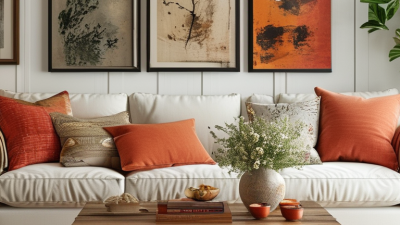
Bohemian Expressive and collected, with layered patterns, varied textures, and personal objects. A broad range of colors, woven materials, textiles, and natural finishes. Mix-and-match furnishings, rugs, plants, and meaningful decorative items. A relaxed, personal space that welcomes variety. Repeated colors or materials can help a layered room feel cohesive rather than crowded.
Coastal Light, relaxed interiors inspired by the colors and textures of shorelines. Whites, soft blues, sandy neutrals, light wood, and natural fibers. Comfortable furniture, airy fabrics, and restrained seaside references. A breezy, informal atmosphere with plenty of visual lightness. Favor durable, washable fabrics in high-use rooms, especially where sand or moisture may be tracked in.
Farmhouse Combines practical, home-centered elements with rustic or traditional details. Wood, metal, natural textures, and often a neutral base. Comfortable, functional pieces and straightforward decorative accents. A welcoming, relaxed home with a lived-in quality. Use rustic details selectively so the space remains comfortable and does not feel overly themed.
Minimalist Prioritizes essentials, purposeful choices, and uncluttered spaces. A restrained palette and a focus on material, proportion, and finish. Simple, functional furniture and limited decoration. A calm environment with fewer visual distractions. Plan practical storage and everyday routines so necessary items have a place.

Compare Colors, Materials, and Furniture for Your Space

Choosing an interior style is easier when you compare actual colors, materials, and furniture in your room. Start with a paint sample beside the flooring, curtains, and largest piece of furniture. Check it in morning light and again after sunset; warm bulbs can shift a soft gray toward beige. Light changes everything. Notice which colors already repeat, such as oak tones, green plants, or a blue rug. Let those details guide your palette instead of chasing a look that only works in a photograph.

Materials affect both mood and daily upkeep. A pale wool rug may feel inviting, but it can be demanding in a busy entryway. Matte finishes hide some marks, while polished surfaces reflect more light and show fingerprints. Touch samples if possible. Then compare furniture by scale, not style alone: measure walkways, door openings, and the space around a dining chair. A sleek table may suit the room, yet feel awkward when people need to pass behind it. That mismatch is useful information. You may find your choices do not fit one tidy design category, and that is fine; a room can feel coherent through repeated colors and textures, even when one decision still feels slightly unresolved.

How to Choose the Right Interior Design Style for Your Home?

Compare representative neutral palettes, materials, and furniture to find a style that suits your space.

How to read this chart: Values are the arithmetic mean of the RGB channel values for three sample hex colors per palette, expressed as a percentage. They are calculated from the listed colors, not survey data or a universal measure of a design style. Lighting and screens can change how colors appear.

Style Sample neutral palette (hex) Materials to consider Furniture to consider
Scandinavian #F5F5F5, #E6E6E6, #CFCFCF Light wood, wool, linen Simple, functional pieces with clean lines
Japandi #E8E8E8, #C8C8C8, #AFAFAF Wood, paper, stone, textured linen Low-profile pieces with restrained forms
Modern #F2F2F2, #BDBDBD, #666666 Glass, metal, smooth finishes Streamlined furniture with geometric shapes
Industrial #D9D9D9, #8C8C8C, #404040 Brick, concrete, steel, reclaimed wood Sturdy pieces with metal or wood frames
Traditional #E6E6E6, #B3B3B3, #737373 Wood, wool, patterned textiles Classic silhouettes and upholstered seating

Use the chart as a starting point: choose a palette you enjoy, then match materials and furniture to your room’s light, size, and daily needs.

Create a Cohesive Design Plan and Refine It Over Time

How to Choose the Right Interior Design Style for Your Home?
Create a Cohesive Design Plan and Refine It Over Time

A cohesive home doesn’t require every room to match; it needs a few visual connections. Begin with what you already own: a walnut table, a cream rug, or artwork with muted green. Choose two or three guiding elements, such as warm wood, curved shapes, and quiet colors. Use them across rooms, then vary texture and scale so the spaces don’t feel copied.

Tips: Photograph each room in daylight. Save samples together, and compare paint, fabric, and flooring in your home’s actual light. Leave one choice undecided until the furniture arrives; its dimensions may change the balance.

A design plan should guide purchases, not trap you in a look that no longer fits. Live with a new arrangement for a few weeks before buying more. Notice where clutter gathers, whether a chair blocks a walkway, and which corner feels cold after sunset. Those details often reveal more than a mood board. Some choices will miss. That is useful information, not a failed design. Adjust one element at a time: warmer bulbs, a larger lamp, or a calmer wall color. Then observe what actually improves the room.