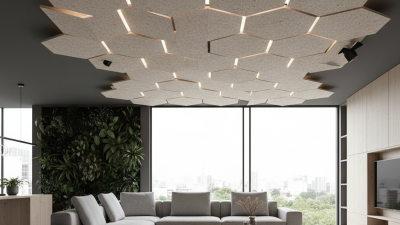
What is Polyurethane Stone and How is it Used?
Polyurethane Stone is a revolutionary material in various construction and design applications. According to industry expert Dr. Emily Carter, “Polyurethane Stone blends aesthetics and functionality seamlessly.” This innovative material mimics the look of traditional stone while offering a lightweight, durable alternative.
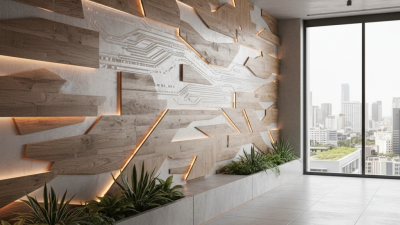
Polyurethane Stone is widely used in decorative elements, architectural features, and even furniture design. Its versatility makes it an attractive choice for both residential and commercial projects. However, certain challenges exist. Not every application suits Polyurethane Stone, and improper installation can lead to issues. These factors warrant careful consideration and expert guidance.
Understanding the benefits and limitations of Polyurethane Stone is crucial. Its potential lies in its ability to offer customized aesthetics while remaining cost-effective. Yet, one must be wary of any shortcuts in the process. Engaging trusted professionals is essential to maximize the advantages of this remarkable material.
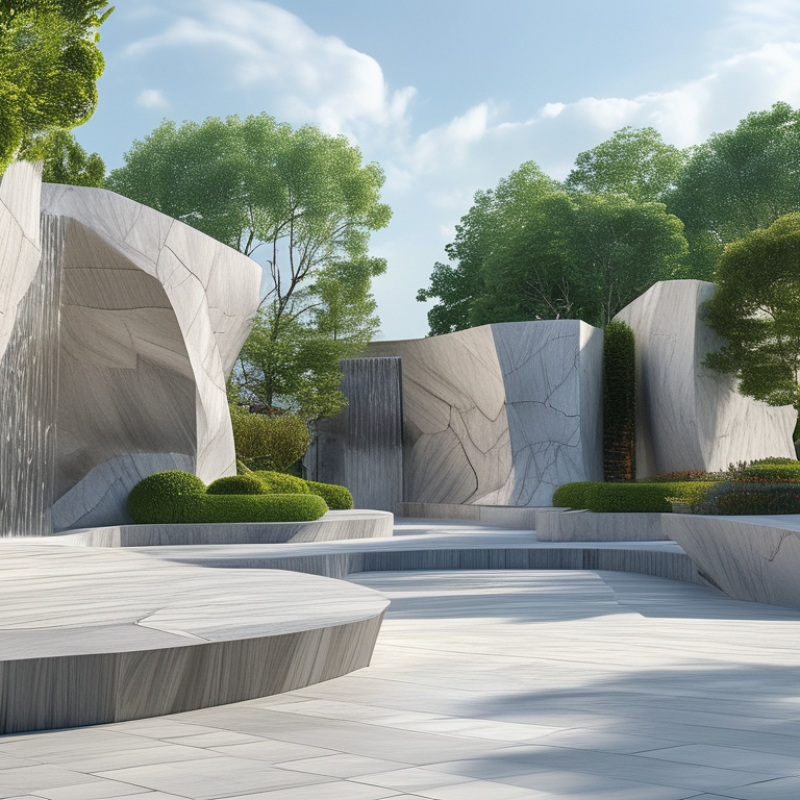
What is Polyurethane Stone?
Polyurethane stone is an innovative composite material that combines durability with aesthetic appeal. It mimics natural stone while offering lighter weight and flexibility. This versatility allows for various applications, including countertops, flooring, and decorative elements in both residential and commercial spaces. It can be molded into numerous shapes, providing a broad range of design options.
When working with polyurethane stone, consider the finishing process. A well-applied finish enhances durability and improves aesthetic quality. Tips for maintenance include regular cleaning with non-abrasive solutions. This helps to preserve its look and longevity. Some users may find uneven color distribution, which can be a concern. This variance may require more attention during installation to achieve consistency.
Another essential aspect is the environmental impact of polyurethane materials. While some manufacturers claim eco-friendly options, it is crucial to research and ensure sustainability practices are followed. Always look for detailed product specifications to avoid potential misconceptions about biodegradability. By understanding the materials and processes, one can make informed choices for sustainable living.
Properties and Characteristics of Polyurethane Stone
Polyurethane stone is a versatile and durable material. Its unique properties make it suitable for various applications. This material is not just about aesthetics; it offers functional benefits too.
One of the main characteristics of polyurethane stone is its resistance to wear and tear. It can withstand extreme weather conditions without degrading. This durability makes it a popular choice for outdoor settings. The lightweight nature of polyurethane stone also allows for easier installation. It can mimic the look of natural stone, providing beauty without the burden.
However, there are still areas for improvement. The production process can produce waste, raising environmental concerns. The longevity of the material depends on proper care. Users must be aware of maintenance needs to ensure lasting quality. Overall, understanding these nuances is vital for making informed choices.
What is Polyurethane Stone and How is it Used? - Properties and Characteristics of Polyurethane Stone
| Property |
Details |
| Material Composition |
Polyurethane-based with aggregates |
| Durability |
High resistance to wear, impact, and weather conditions |
| Flexibility |
Flexible, allowing for various designs and applications |
| Aesthetic Appeal |
Available in a wide range of colors and textures |
| Common Uses |
Used in flooring, wall cladding, sculptures, and landscaping |
| Maintenance |
Easy to clean and maintain with regular upkeep |
| Environmental Impact |
Can be formulated for low VOC emissions |
Common Applications of Polyurethane Stone
Polyurethane stone is gaining traction in various industries due to its versatility and durability. Common applications include architectural facades, landscaping elements, and even furniture design. This material mimics the look of natural stone while offering the benefits of being lightweight and easy to shape. According to industry data, the global polyurethane market was valued at over $46 billion in 2021 and is expected to grow significantly, indicating a rising demand for innovative materials like polyurethane stone.
In landscaping, polyurethane stone is often used for decorative features such as garden paths, retaining walls, and outdoor furniture. Its resistance to weathering makes it ideal for outdoor applications. Additionally, the material can be customized in color and texture, catering to diverse aesthetic preferences. Various studies indicate that polyurethane stone can cut production costs by up to 30% compared to natural stone, making it an attractive option for builders.
Tips: When considering polyurethane stone for projects, evaluate your specific needs. Check if the local climate suits its durability. Consider testing a sample to ensure it meets your design vision. Always consult with experts to explore its potential limitations.
Advantages of Using Polyurethane Stone
Polyurethane stone has gained popularity in various industries due to its numerous advantages. This material is known for its durability and flexibility. According to a recent market analysis, the demand for polyurethane stone products is expected to grow by 8.5% annually through 2026. This indicates a strong market acceptance based on its unique properties.
One significant advantage of polyurethane stone is its resistance to weathering and UV light. Unlike traditional stone materials, polyurethane does not deteriorate under harsh conditions. Studies show that surfaces made with polyurethane can withstand extreme temperatures, eliminating the risk of cracks or flaking. Additionally, its lightweight nature makes it easier to handle and install, often reducing labor costs.
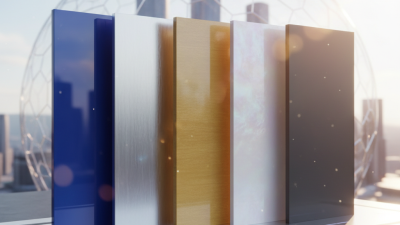
The aesthetic versatility of polyurethane stone cannot be overlooked. It can mimic the appearance of natural stone while offering a wider range of colors and textures. This adaptability has been a game-changer for designers and architects. However, awareness of potential environmental impacts is essential. While polyurethane stone is resource-efficient, its production process can involve harmful chemicals. Ongoing research is focused on developing more eco-friendly alternatives.
Comparison with Traditional Stone Materials
Polyurethane stone is increasingly popular in construction. It offers a unique alternative to traditional stone materials. A significant advantage of polyurethane stone is its lightweight nature, which can cut transport costs. One report indicates that polyurethane stone can be 50% lighter than natural stone. This feature simplifies logistics and handling during installation.
Durability is another key comparison point. Polyurethane stone resists cracking and fading better than some traditional stones. For instance, a study by industry experts shows that synthetic materials can last up to 20 years with proper care. However, some professionals question its long-term resilience compared to natural counterparts. This is an area requiring more research to establish confidence in its longevity.
Aesthetic flexibility is also noteworthy. Polyurethane stone can mimic various natural stone finishes closely. A survey among architects revealed that 75% preferred polyurethane stone for its customizable designs. Yet, skeptics argue that it may lack the unique character of traditional stones. These perspectives highlight a vital debate in material choices today.