Top 10 Bamboo Wall Panel Designs for Global Buyers?
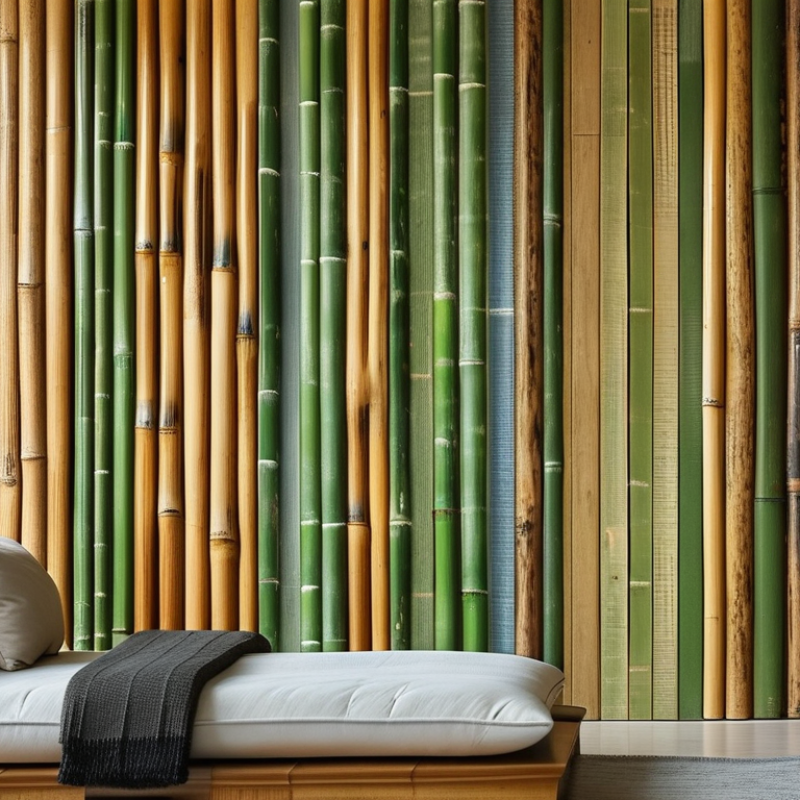
Bamboo Wall Panels have gained immense popularity among designers and homeowners. Their natural beauty and eco-friendliness appeal to many global buyers. This introduction explores unique design ideas featuring Bamboo Wall Panels that can enhance your space.
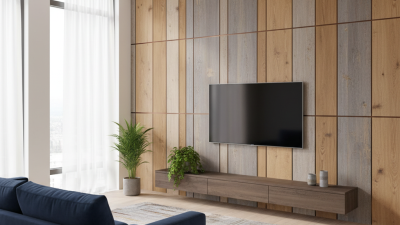
These panels come in various textures and finishes. Some designs highlight the rich grain patterns of bamboo, while others showcase sleek, modern aesthetics. Different styles cater to diverse tastes, from rustic charm to contemporary elegance. Buyers often seek durability combined with aesthetic appeal, and bamboo checks both boxes.
However, finding the right Bamboo Wall Panel can be challenging. Not all suppliers offer the same quality and sustainability standards. Potential buyers should reflect on their specific needs, budget, and the panel's environmental impact. Making an informed choice is crucial to creating a beautiful and responsible space.
Top 10 Innovative Bamboo Wall Panel Designs for Modern Interiors
Bamboo wall panels are becoming a staple in modern interior design. Their eco-friendly properties make them appealing to designers and consumers alike. According to the Global Bamboo Market Report, the demand for bamboo materials is projected to grow by 5% annually. This growth reflects a rising awareness of sustainable materials in construction and interior design.
One innovative design trend involves using bamboo panels with intricate laser-cut patterns. These designs not only enhance aesthetics but also promote natural light diffusion within spaces. Additionally, textured bamboo panels offer a tactile experience that can elevate the ambiance of a room. Many homeowners appreciate the warmth and natural look of bamboo, which contrasts sharply with more mainstream materials like drywall and synthetic panels.
Despite their advantages, there are challenges. Bamboo is susceptible to moisture and insect damage. Proper treatment and installation are essential for longevity. This highlights a need for more education on maintaining bamboo products. It's a notable area for improvement, as consumers increasingly choose bamboo for its sustainability yet may not be aware of its vulnerabilities. Balancing beauty with practicality remains a critical consideration in truly innovative bamboo wall panel designs.
Sustainable Bamboo Panel Options: Eco-Friendly Choices for Buyers
Bamboo panels are gaining popularity as eco-friendly choices for interior design. Sustainable bamboo products have shown significant growth in recent years. According to a report by ResearchAndMarkets, the global bamboo market is expected to reach $98 billion by 2028, partly driven by increased consumer demand for sustainable materials.
Bamboo is not only renewable, but it also sequesters carbon as it grows. This makes bamboo panels a great option for eco-conscious buyers. They are sturdy, lightweight, and versatile, enhancing any room's aesthetic. Studies show that bamboo's rapid growth rate can yield up to 25% more carbon sequestration than traditional timber species.
**Tip:** When choosing bamboo panels, look for certifications like FSC or USDA Organic. These labels ensure the product was sourced sustainably.
Design options range from natural finishes to bold, dyed colors. However, it's essential to consider quality. Some lower-cost bamboo panels may lack durability. A mid-range price point often balances sustainability and longevity.
**Tip:** Test samples before finalizing a purchase. This helps in assessing texture, color, and durability.
Incorporating bamboo means investing in the planet's future. Yet, buyers should remain vigilant about sourcing practices. Transparency from suppliers is vital for making informed decisions.
Cultural Influences in Bamboo Wall Panel Design Trends Worldwide
Bamboo wall panels have become a popular choice for global buyers. Their designs often reflect the cultural influences of various regions. In Asia, intricate patterns showcase traditional craftsmanship. Floral motifs and wave patterns are common, drawing inspiration from nature. These elements serve as a reminder of the deep relationship between culture and design.
Moving to Western influences, minimalism reigns supreme. Clean lines and neutral colors dominate bamboo wall panel designs. This style reflects modern aesthetics and a desire for simplicity. Yet, it raises questions about cultural depth. Are minimalist designs too detached from the rich narratives behind bamboo? This contrast invites reflection on the balance between tradition and contemporary preferences.
In South America, vibrant colors take center stage. Here, bamboo panels often incorporate bold designs that celebrate cultural heritage. Fragments of folklore find their way into the patterns, creating a lively ambiance. While this approach invites energy and vibrancy, some might view it as over-saturation. Striking the right balance remains a challenge in global design conversations. Each region offers a unique take on bamboo, revealing both beauty and complexity.
Comparative Analysis of Bamboo Wall Panels vs. Traditional Materials
Bamboo wall panels have gained attention in recent years. They offer a unique aesthetic and sustainable option for interior design. Unlike traditional materials like wood and drywall, bamboo is a fast-growing grass, making it a renewable resource. This feature appeals to eco-conscious buyers seeking green alternatives. Bamboo's strength is notable. It withstands impacts better than many traditional woods. However, some may find it less familiar.
When comparing bamboo to traditional materials, one must consider durability and maintenance. Bamboo is generally resistant to moisture and pests. However, it can be prone to scratches and dents. This is an area where traditional materials may excel. For instance, oak wood can endure wear better over time. Installation methods also differ. Bamboo panels might require specialized tools, unlike typical drywall. This can pose challenges for DIY enthusiasts.
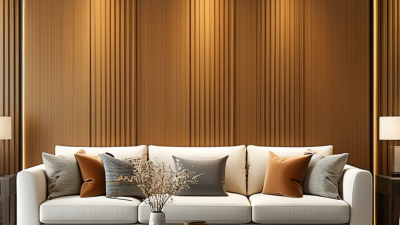
Aesthetically, bamboo provides a warm, modern feel. Traditional materials can appear outdated, depending on the design. Yet, personal preference plays a significant role. Some people feel nostalgic about conventional woods. Color variations in bamboo can be unpredictable, leading to inconsistencies in applications. Such elements should be considered carefully when making choices.
Maintenance Tips for Long-Lasting Bamboo Wall Panels in Home Decor
Bamboo wall panels are a popular choice for home decor, thanks to their natural beauty and sustainability.
To maintain their charm, proper care is essential. One key tip is to clean the panels regularly.
A soft, damp cloth can remove dust and dirt without damaging the surface.
For stubborn stains, a mixture of mild soap and water works well.
Humidity can affect bamboo. It’s crucial to keep the environment stable.
High humidity can cause warping or mold growth. Using a dehumidifier or ensuring proper air circulation helps.
It’s also wise to avoid placing bamboo panels in direct sunlight, which can lead to fading over time.
While these tips aid in longevity, bamboo is still a natural material.
It may show signs of wear over time, and that’s okay.
Embrace these imperfections, as they tell a story.
Regular checks for any signs of damage can help in taking timely actions to address issues.
Proper maintenance not only enhances the beauty of bamboo wall panels but also extends their lifespan in your home.