Why Choose Acoustic Panels for Better Soundproofing?
Why Choose Acoustic Panels for Better Soundproofing?
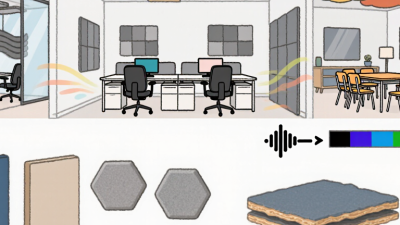
Modern interiors are full of hard surfaces: glass walls, concrete floors, painted ceilings, and exposed desks. These surfaces reflect speech, footsteps, and equipment noise. An Acoustic Panel can absorb part of that reflected energy, reducing reverberation and improving speech clarity.
The World Health Organization’s Environmental Noise Guidelines for the European Region identify excessive noise as a serious public-health concern, especially for sleep, concentration, and communication (WHO, 2018). The WELL Building Standard also emphasizes acoustic comfort, including sound isolation, background noise control, and reverberation management. These findings support a practical point: people need rooms that sound controlled, not merely quiet.
A useful distinction matters. Acoustic panels primarily absorb sound inside a room. They do not automatically block noise passing through walls, doors, or ceilings. Effective soundproofing may also require mass-loaded barriers, sealed gaps, resilient channels, and properly rated glazing. Panels are one part of the system.
As acoustics researcher Dr. Lily M. Wang has explained, “Good acoustics is not simply about reducing sound; it is about controlling sound for people.” That principle is easy to overlook.
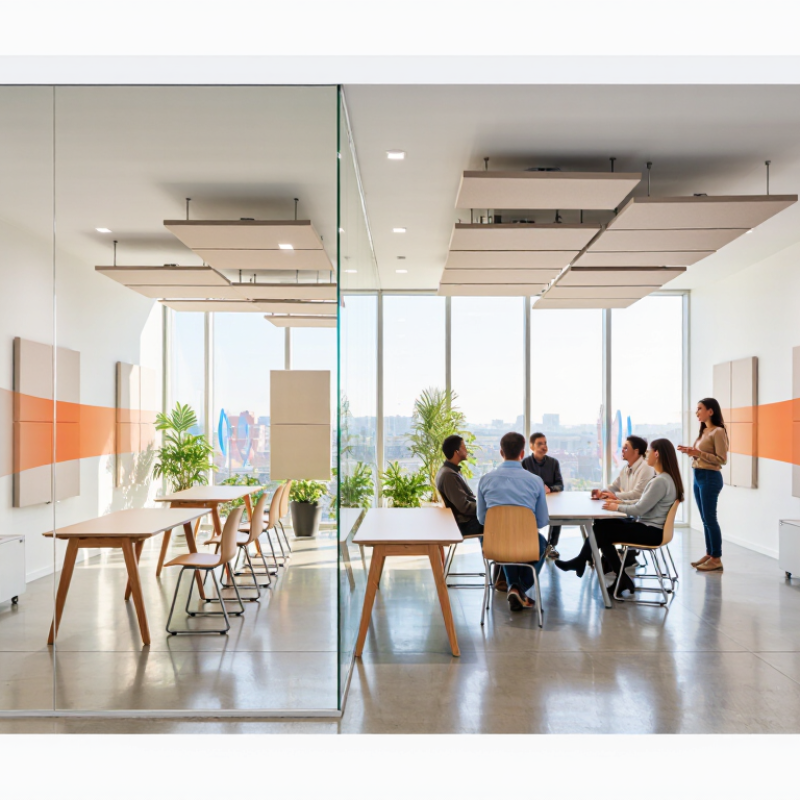
Picture a meeting room with a speaker at one end. Without absorption, words bounce from the ceiling and rear wall. With strategically placed panels, the voice becomes cleaner and less tiring. Still, panel placement, thickness, density, and coverage must match the room’s actual problems. More panels are not always better.
The honest answer is imperfect. An Acoustic Panel can transform comfort and intelligibility, but it cannot repair every noise path. A room assessment should come first.
What Are Acoustic Panels and How Do They Work?
Acoustic panels are porous surfaces designed to absorb sound, not block it. They reduce reflections from walls, ceilings, and hard furniture. In a treated room, speech feels clearer, and music loses its harsh echo. That distinction matters.
Laboratory ratings help explain their performance. Under ASTM C423, the Noise Reduction Coefficient (NRC) commonly ranges from 0.70 to 1.00 for effective porous panels. A higher rating means greater average absorption across tested frequencies. However, NRC is not a soundproofing score. It does not measure how much noise passes through a wall. ISO 354 also evaluates absorption in controlled reverberation rooms, where installation gaps and room shape can change real results.
The World Health Organization’s 2018 Environmental Noise Guidelines recommend keeping indoor bedroom noise below 30 dB(A) at night for good sleep. Panels cannot guarantee that target alone. They work best with sealed doors, heavier wall layers, and controlled ventilation paths. In a small meeting room, placing panels near first-reflection points can reduce fluttering voices and shorten reverberation. Ceiling clouds help when floors and desks remain hard.
They absorb sound.
My first assumption was simple: more panels would always mean better acoustics. It was incomplete. Over-absorbing high frequencies can make a room feel dull while low-frequency noise remains. Measure the room, identify the problem, then select panel thickness and placement carefully.
How Acoustic Panels Improve Sound Clarity and Reduce Echo
Acoustic panels can make speech easier to understand by controlling reflected sound. In an untreated room, a voice bounces from walls, glass, and a hard ceiling. These reflections overlap the original words and create a muddy, tiring sound. Panels absorb part of this energy, so consonants remain sharper and pauses feel more natural. That difference matters. They reduce echo, but they do not fully block noise from neighbors or traffic. For serious isolation, construction changes may be necessary. In my experience, even a small meeting room feels calmer after targeted treatment. Still, results vary with panel thickness, coverage, and room shape.
Tips:
Clap near the room’s center and listen for a ringing tail. Place panels at first-reflection points, especially beside speakers and across the rear wall. Leave some ceiling coverage when voices sound harsh. Use a simple voice recording before and after treatment. It may reveal improvements your ears miss. Avoid covering every surface immediately. An overly dead room can feel unnatural.
Good acoustic decisions begin with measurement, not decoration. Check where reflections gather, then treat the strongest paths first. Thicker panels usually absorb lower frequencies better, while thin panels mainly control mid and high frequencies. Corners may need deeper absorption when bass feels uneven. I have sometimes added too much treatment too quickly, then had to restore liveliness with fewer panels. That mistake is useful. It shows that clear sound needs balance, not silence. Regular listening tests and honest feedback from several users make the result more reliable.
Which Sound Problems Can Acoustic Panels Solve?
Why Choose Acoustic Panels for Better Soundproofing?
Which Sound Problems Can Acoustic Panels Solve?
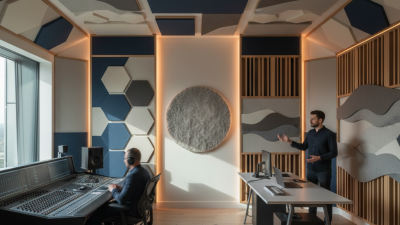
Acoustic panels mainly control sound inside a room. They absorb reflected energy from walls and ceilings, reducing echo, flutter echoes, and excessive reveration. In a meeting room, this can make speech clearer. In a recording space, it can reduce harsh reflections around microphones. ANSI/ASA S12.60 recommends classroom reverberation times of about 0.6 seconds for smaller rooms, showing how strongly room decay affects communication.
The improvement is easy to notice. A handclap stops sounding metallic. Voices become less tiring after long conversations. ISO 3382-2 provides methods for measuring reverberation time, allowing acoustic changes to be checked instead of guessed. However, panels do not truly block traffic, footsteps, or loud equipment from entering. They also cannot stop low-frequency vibration passing through floors and walls. That requires mass, airtight construction, decoupling, and sometimes structural treatment.
A common mistake is covering every wall without measuring the room first. Too much absorption can create a dull, unnatural space. Panel placement matters. Reflection points near speakers, parallel walls, and ceiling areas often deserve attention. Results can vary because furniture, windows, room volume, and panel thickness all influence performance. Acoustic panels solve reflection problems well, but calling them complete soundproofing would be inaccurate.
Why Choose Acoustic Panels for Better Soundproofing?
Acoustic panels primarily improve room acoustics by absorbing reflected sound. This representative chart shows how a 50 mm porous acoustic panel typically performs across octave-band frequencies.
Echo and Reverberation
Panels reduce reflected sound, helping rooms sound less harsh and less “live.”
Poor Speech Intelligibility
Lower reverberation can make conversations, meetings, and presentations easier to understand.
Internal Noise Build-Up
Absorption helps control sound energy within a room, reducing overall noise buildup.
The absorption coefficient is a representative, frequency-dependent value for a 50 mm porous acoustic panel. Actual performance varies with panel density, fabric, mounting method, air gap, and laboratory test conditions. Acoustic panels control sound reflections inside a room; they are not a substitute for construction-based sound isolation.
How to Choose Acoustic Panels for Different Spaces
Acoustic panels can make speech clearer, but they do not completely block sound. Their main job is absorbing reflections inside a room. This difference matters when choosing panels for different spaces. In my room assessments, untreated walls often create harsh echoes, especially around hard desks and glass. A measured approach works better than covering every surface.
For a home office, choose medium-density, fabric-wrapped panels near the desk and behind the microphone.
They reduce voice reflections during calls and recordings. Use thicker panels in corners if low-frequency buildup causes a boomy sound. A small office may need only 20 to 30 percent wall coverage, depending on its furnishings. Soft curtains and bookshelves can help, although their performance is inconsistent.
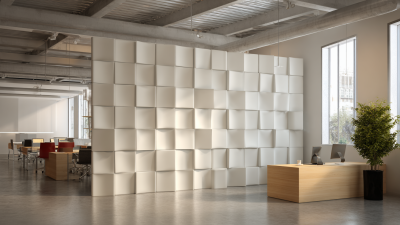
In classrooms, prioritize speech clarity across the back rows. Place panels on side walls and the ceiling, while keeping doors and ventilation paths accessible. Studios need broader control, including bass traps and carefully spaced absorbers. For restaurants, durable, washable surfaces matter because panels face frequent contact and airborne grease. Check absorption data, fire ratings, mounting methods, and maintenance requirements. I once over-treated a small room; it sounded quiet but strangely lifeless. That mistake taught me to listen, measure reverberation, and adjust gradually.
What Factors Affect Acoustic Panel Soundproofing Performance?
Why Choose Acoustic Panels for Better Soundproofing?
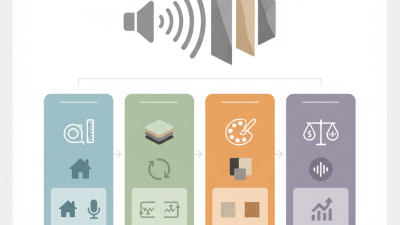
Acoustic panels can make speech clearer and reduce harsh echoes inside a room. However, they do not fully block sound through walls. Their performance depends on several practical factors. Panel thickness matters, especially when controlling lower frequencies from speakers or machinery. Dense, porous materials usually absorb more energy than thin decorative surfaces. Check the panel’s tested absorption rating, but do not treat one number as the whole answer.
Placement changes results. Panels on first-reflection points can reduce flutter echoes near desks and listening areas. Ceiling panels may help in rooms with hard floors and bare walls. Leave small air gaps behind some panels; this can improve low-frequency absorption. Sealed edges and careful mounting also matter. In real installations, doors, windows, and ventilation openings often weaken the result more than the panels do.
Tips: Measure the room before buying materials. Clap near each wall and listen for a sharp repeat. Start with reflection points, then add thicker panels in corners. Keep realistic expectations. A perfect result is unlikely, and panel spacing may need adjustment after testing. My practical mistake was covering one wall completely while ignoring a hollow door. The room looked quieter, but voices still traveled outside. A balanced design considers absorption, construction, panel coverage, and installation quality.