7 Tips for Buying Carbon Crystal Panels?
Buying a Carbon Crystal Panel can seem simple when every supplier promises fast heating, clean design, and lower energy use. The real decision begins behind the product photographs. Panel thickness, surface finish, heating area, power rating, and installation requirements can change daily performance significantly.
This guide shares seven practical tips for comparing panels with greater confidence. It draws on common installation concerns, manufacturer documentation, and the small details buyers often overlook. Check the rated wattage against your room size. Examine the cable position. Ask whether the control system supports accurate temperature adjustment. These details matter.
Look closely at certifications and warranty terms. A reliable supplier should explain testing standards, operating limits, and after-sales support without vague language. Do not rely on marketing claims alone. Request technical sheets, installation instructions, and clear product dimensions. A warm sample in a showroom proves very little about long-term performance.
Budget matters, but the cheapest panel may create higher replacement or installation costs later. Measure your wall carefully. Leave suitable clearance around the unit. Think about furniture placement, insulation, and daily usage patterns. Many buyers focus only on appearance. That is understandable, but incomplete.
There is no perfect choice for every room. Even experienced purchasers can miss a compatibility issue. A careful comparison reduces that risk and helps match the Carbon Crystal Panel to real household needs, not attractive promises.
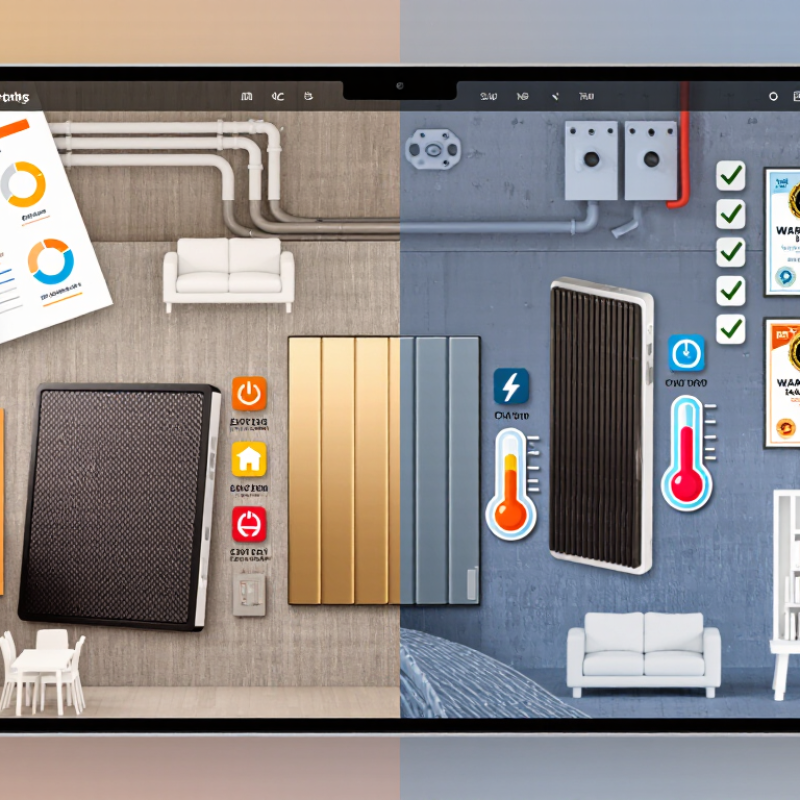
What Carbon Crystal Panels Are and Where They Are Used
Carbon crystal panels are thin heating panels made from conductive carbon material. When electricity passes through the carbon layer, it produces steady infrared heat. Unlike a traditional heater, the panel warms nearby surfaces and objects, not only the air. This can make a room feel comfortable at a lower thermostat setting.
They are used in bedrooms, offices, bathrooms, workshops, and small commercial spaces. Wall and ceiling installation can save floor space. Some panels include printed surfaces, so they can look like artwork or a plain interior finish.
However, appearance should not decide everything. Check the rated wattage, panel size, operating temperature, and electrical safety certifications. A qualified electrician should inspect the circuit before installation.
Poor placement may create uneven warmth, especially near windows or tall furniture. Measure the room carefully. Carbon crystal panels are often useful for zone heating, but they may not replace a complete heating system in a poorly insulated building.
I would also check the warranty terms and replacement process, because technical claims can sound better than everyday performance. Test the controls in a real room if possible. Cold corners reveal more than a brochure.
Compare Materials, Performance, Safety, and Energy Efficiency
7 Tips for Buying Carbon Crystal Panels?
When comparing carbon crystal panels, inspect the material before admiring the finish. Ask whether the heating layer is uniform, well sealed, and supported by test documentation. Different panel structures can produce similar surface temperatures but differ in durability, repairability, and heat distribution. Check the rated wattage, heating area, warm-up time, and thermostat compatibility. Small rooms may need less output than sellers suggest. Measure carefully.
Safety deserves equal attention. Look for clear electrical ratings, overheating protection, stable mounting hardware, and instructions for bathroom or damp-area use. Confirm that installation follows local electrical requirements. Touch the panel after extended operation, not only during a quick demonstration. The surface should feel controlled, not dangerously hot. Also examine cable quality, connector placement, and warranty conditions. These details often reveal manufacturing discipline.
Energy efficiency is more than low wattage. Compare heat delivered against room size, insulation, operating hours, and control accuracy. A programmable thermostat can prevent waste better than a slightly cheaper panel. In my experience, poor insulation makes every heater look inefficient. I once focused too heavily on panel efficiency and underestimated drafts around an old window. That was a useful mistake. Request independent test results when possible, and treat vague claims carefully. A reliable purchase balances material quality, measured performance, safety evidence, and realistic household use.
Check Certifications, Warranty Terms, and Supplier Reliability
Buying carbon crystal panels requires more than comparing surface color and wattage. Certification should be your first filter. Ask for the exact certificate number, testing standard, rated voltage, surface temperature, and installation limits. A credible report should identify the tested model, not just the product family. The U.S. Energy Information Administration reported that space heating represented about 42% of household energy use in 2020. Electrical safety is therefore a long-term concern, not a paperwork detail.
Inspect warranty terms line by line. Check coverage length, heating-element failure rules, labor costs, shipping responsibility, and exclusions for moisture or incorrect installation. A five-year warranty sounds useful, but it may cover replacement parts only. Request a written performance tolerance, such as allowable resistance variation or heating output. Keep invoices and installation photographs. Small details matter.
Supplier reliability is harder to measure. Request factory quality records, batch traceability, installation manuals, and recent test reports from an accredited laboratory. Industry quality guidance commonly emphasizes traceability and corrective-action records because repeated defects can remain hidden in small samples. Contact two previous commercial buyers, if possible. Ask how quickly faults were handled. My own caution is simple: attractive data sheets can hide weak after-sales support. I would rather accept a slightly lower rated output than depend on vague promises. Check certification validity, warranty wording, supplier history, documentation, installer competence, electrical compatibility, and replacement availability before paying.
Evaluate Installation Needs, Total Costs, and Long-Term Maintenance
7 Tips for Buying Carbon Crystal Panels?
Buying carbon crystal panels is less about a glossy sample and more about the room behind it. Measure wall area, ceiling height, corners, sockets, and ventilation paths before ordering. An installer should inspect moisture, uneven surfaces, and substrate strength. Panels may look light, yet poor support can cause movement, gaps, or cracked joints. Ask for installation drawings, cutting tolerances, and written warranty terms. Small details matter.
Compare the complete installed cost, not the panel price alone. Include trims, adhesives, fasteners, delivery, cutting waste, electrical adjustments, labor, and disposal. Request two itemized quotes with identical coverage. This exposes quiet extras. Check whether the quoted labor includes surface preparation and final sealing. A low quote can become expensive after revisions. I would keep a ten percent contingency, although that allowance may be insufficient for older walls.
Evaluate cleaning and repair before choosing a finish. In kitchens or busy corridors, smooth, sealed surfaces usually need less effort than deeply textured ones. Confirm approved cleaners, heat limits, impact resistance, and replacement availability. Keep spare panels from the same production batch when possible. Record the batch number and installation date. Inspect joints after one month, then seasonally. If condensation appears, solve the moisture source rather than hiding it. One overlooked leak can defeat a careful installation. Ask who handles defects after installation, and keep photographs of the completed work.
7 Tips for Buying Carbon Crystal Panels
Evaluate installation needs, total costs, and long-term maintenance before selecting a panel system.
This illustrative planning model compares the relative importance of seven practical buying factors on a 100-point scale. Installation compatibility, total installed cost, moisture resistance, cleaning requirements, repairability, fire-performance documentation, and expected service life should be verified against local building codes and supplier documentation.