Top 10 Benefits of Carbon Crystal Panels for Global Buyers?
Carbon Crystal Panels have emerged as a revolutionary solution in various industries. Their unique properties make them ideal for global buyers seeking advanced materials. These panels not only offer exceptional thermal conductivity but also ensure energy efficiency, making them a smart investment for sustainable projects.
In addition to efficiency, Carbon Crystal Panels provide durability. They withstand extreme conditions, making them suitable for diverse environments. Many industries, from construction to technology, can benefit from their application. However, buyers should consider sourcing these panels from reputable manufacturers to ensure quality and reliability.
The increasing adoption of Carbon Crystal Panels reflects a shift toward smarter materials. Their potential is vast, but users must remain aware of the importance of responsible use. Understanding both the benefits and limitations can lead to better decision-making in material selection. As the market evolves, so does the need for informed choices regarding Carbon Crystal Panels.
Benefits of Carbon Crystal Panels for Eco-Friendly Energy Solutions
Carbon crystal panels are transforming the landscape of eco-friendly energy solutions. These innovative materials enhance energy efficiency significantly. Reports show that carbon crystal technology can improve solar panel efficiency by up to 35%. This statistic is vital for buyers looking for effective energy alternatives.
Moreover, carbon crystal panels boast superior thermal conductivity. This feature allows buildings to maintain comfortable temperatures with less energy consumption. A study from the International Energy Agency found that smart materials, including carbon crystals, can reduce heating and cooling costs by nearly 25%. This benefit is crucial for environmentally conscious buyers aiming to lower their energy bills.
While the advantages are clear, there are challenges to consider. The production of carbon crystal panels is still in its early stages. Scale-up can lead to quality inconsistencies. Additionally, the long-term durability of these panels needs further evaluation. Ensuring optimal performance over time remains a concern. Nevertheless, the potential for carbon crystal panels in sustainable energy solutions is remarkable.
Durability and Longevity of Carbon Crystal Panels in Various Climates
Carbon crystal panels have gained significant attention for their impressive durability and longevity in various climates. These panels can withstand extreme weather conditions, from scorching heat to freezing cold. Research shows that carbon crystal panels can last over 25 years with minimal degradation. They resist moisture, UV rays, and temperature fluctuations effectively. This durability makes them a preferred choice in diverse geographical locations.
Studies indicate that these panels maintain structural integrity even in harsh environments. For instance, in coastal areas where humidity is high, carbon crystal panels do not corrode like traditional materials. Their resilience reduces maintenance costs significantly. While the initial investment might be higher, the long-term savings on repairs are considerable.
However, it is important to acknowledge that performance can vary based on installation quality and local weather conditions. In regions with heavy snowfall, for instance, proper installation is crucial for optimal performance. Buyers should consider local climate factors when selecting carbon crystal panels. Gathering insights from reliable industry studies can help inform better decisions for long-lasting outcomes.
Top 10 Benefits of Carbon Crystal Panels for Global Buyers
| Benefit |
Description |
Applicable Climate |
Durability Rating (Years) |
| High Durability |
Survives harsh weather conditions without significant wear. |
Extreme Cold, Hot, Humid |
25+ |
| Lightweight |
Easier handling and installation compared to traditional materials. |
All Climates |
20+ |
| Energy Efficient |
Reduces energy consumption for heating and cooling. |
Moderate to Tropical |
20+ |
| Eco-Friendly |
Made from sustainable materials with low environmental impact. |
All Climates |
30+ |
| Low Maintenance |
Requires minimal upkeep, saving time and money. |
All Climates |
25+ |
| Aesthetic Appeal |
Modern look enhances property value. |
All Climates |
20+ |
| Versatile Applications |
Used in various construction and design projects. |
All Climates |
20+ |
| Weather Resistant |
Withstands rain, snow, and extreme temperatures. |
Extreme Weather |
30+ |
| Thermal Insulation |
Effective at maintaining indoor temperatures. |
Cold and Hot Climates |
25+ |
| Cost-Effective |
Long lifespan and energy efficiency lead to savings. |
All Climates |
20+ |
Cost-Effectiveness: Savings Through Reduced Energy Consumption with Panels
Carbon crystal panels offer a revolutionary approach to energy efficiency. They can drastically reduce energy consumption. This not only brings down utility bills but also reduces environmental impact. As businesses and homeowners adopt these panels, they can expect noticeable savings within months.
Tips: Consider your local climate when choosing the right panel. Different regions may yield varying efficiencies. Regular maintenance checks can help sustain optimal performance.
These panels often require an upfront investment. However, the long-term savings can offset these costs. In the long run, energy savings may be substantial. Reviews from users often highlight the gradual change in their energy bills, reinforcing the reliability of this technology.
Measuring the performance of carbon crystal panels can be complex. Some users report initial doubts about efficiency claims. It may take time to truly see the benefits. However, those who persevere often find significant savings. Patience and careful monitoring of results can make a difference.
Enhanced Aesthetics: How Carbon Crystal Panels Improve Architectural Design
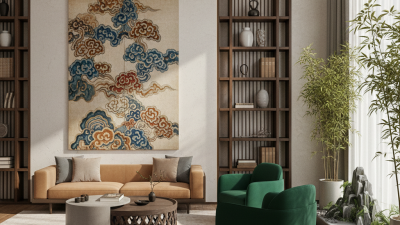
Carbon crystal panels are transforming architectural design by enhancing aesthetics. These panels feature a sleek, modern look that elevates buildings. They are lightweight yet strong, offering both beauty and durability. According to industry reports, the use of carbon composite materials can reduce structural weight by up to 50%. This reduction allows for greater design flexibility.
Architects are increasingly incorporating carbon crystal panels into their projects. The unique finish can reflect light in stunning ways, creating dynamic visual effects. This adaptability makes them suitable for various styles, from minimalist to avant-garde. However, some designers may find it challenging to match these panels with traditional materials effectively. It’s important to consider compatibility in color and texture during the design process.
Moreover, carbon crystal panels contribute to energy efficiency. They can be designed to improve insulation, thus lowering heating and cooling costs. Yet, the initial investment may be higher compared to conventional materials. Buyers often reflect on the long-term benefits versus upfront costs. Balancing aesthetics with budget is crucial for many projects. Understanding these aspects can lead to more informed decisions in architectural design.
Sustainability: Carbon Footprint Reduction through Carbon Crystal Panel Use
The shift toward sustainable materials in construction is vital. Carbon crystal panels are emerging as a game-changer for reducing carbon footprints. These panels utilize carbon captured from the environment, transforming waste into a resource. According to a recent report from the Global Carbon Project, the construction industry is responsible for around 40% of global CO2 emissions. By incorporating carbon crystal panels, companies can significantly lower their emissions while also enhancing building energy efficiency.
A study indicated that buildings using carbon crystal panels can experience energy savings of up to 30%. This translates into lower operational costs and a smaller carbon footprint. Notably, these panels are not only environmentally friendly; they are also durable and have a long lifespan. However, the initial investment in such materials may raise concerns among buyers. A reflection on cost versus sustainability is essential for decision-making.
Tip: Embrace a life cycle assessment when considering materials. Evaluating the long-term benefits can provide insights into overall environmental impact.
Furthermore, carbon crystal panels can enhance indoor air quality. Traditional materials can sometimes off-gas toxins. On the other hand, carbon crystal panels help purify the air. An ongoing debate exists over whether the production of these panels may also generate emissions. Transparency in manufacturing processes is critical.
Tip: Research suppliers thoroughly to ensure they adhere to best practices. This ensures that your investment truly supports sustainability goals.