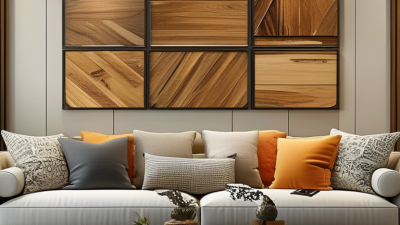
How to Choose Bamboo Wall Panels in 2026?
Choosing a Bamboo Wall Panel in 2026 involves more than picking a color that suits the room. Compare the panel’s construction, finish, dimensions, and installation method before you buy. A smooth sample may look warm under showroom lights, yet appear darker beside a north-facing window. Request a physical sample if possible. Check how its surface looks in your own space, both in daylight and after the lamps are on.
Ask the supplier whether the panel is solid bamboo, laminated, or made with a bamboo veneer over another core. These constructions can differ in appearance, weight, and care needs. Review the product’s technical sheet for thickness, recommended interior conditions, cleaning guidance, and any available emissions or fire-performance documentation. Requirements vary by project, so confirm that the stated specifications fit your intended room and follow the installer’s instructions. Small details matter.
Plan for the wall itself, too. Measure around sockets, corners, and trim, then ask how the panels should be cut and joined. In kitchens or bathrooms, check the manufacturer’s moisture guidance rather than assuming every bamboo finish suits damp areas. I have found that edge details can change the finished look more than expected. That is easy to miss. Price, warranty terms, replacement availability, and the supplier’s track record also deserve a closer look. No panel is perfect. The best choice balances the room’s conditions, your design preferences, and clear, verifiable product information. If one specification seems vague, pause and ask for clarification before ordering.
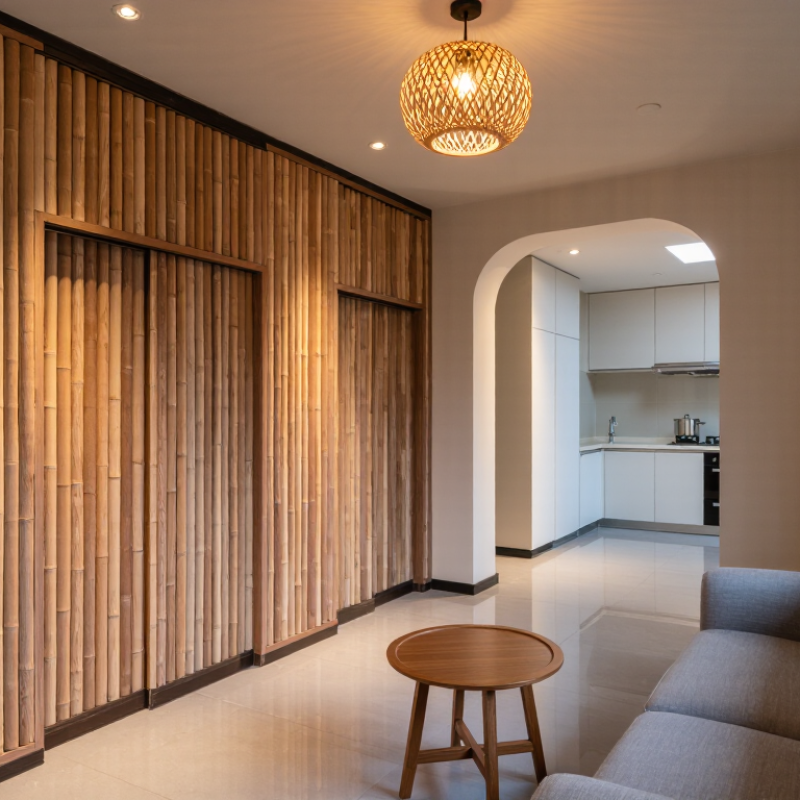
Understanding Bamboo Wall Panel Types and Construction
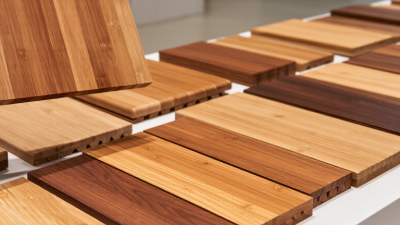
Bamboo wall panels vary in both appearance and construction. Solid bamboo strips show visible joints and natural color differences. Strand-woven panels compress bamboo fibers with adhesive, creating a dense, often patterned surface. Laminated panels usually bond thin bamboo layers over a core, which may be plywood or another stable material. Each type feels different under the hand. I once focused too much on color and overlooked the panel’s core; that choice affected the finished look.
Tips: Check the panel edge. Look for loose layers, uneven bonding, or a core that does not suit your wall conditions. Ask how the panel handles humidity, and follow the maker’s installation guidance.
Construction details matter. A thick panel may feel substantial, but thickness alone does not guarantee stability. Check the backing, finish, joining method, and recommended fixing system. Tongue-and-groove edges can create a neat connection, while flat edges may need careful alignment. Let panels acclimate in the room before fitting, as indoor conditions can influence dimensions. Small shade variations are normal, but they can surprise you across a large wall. Inspect several panels together before installation.
Assessing Room Conditions and Panel Performance Needs
Before choosing bamboo wall panels, inspect the room at different times of day. South-facing windows can bring strong sunlight, while kitchens may collect grease and steam. Measure it twice. Note damp corners, temperature swings, and how often the wall gets touched or cleaned. A dry bedroom and a busy entryway need different surface durability.
Moisture deserves close attention. In bathrooms, laundry rooms, or poorly ventilated spaces, confirm that the panel system is specifically rated for those conditions; bamboo is not automatically water-resistant. Check the installation guidance for humidity limits, sealing, and required expansion gaps. I have seen small gaps overlooked, then become visible as indoor conditions change. Let panels acclimate as directed, and make sure the wall is sound, dry, and reasonably flat before installation.
Match performance to the room, not just the color sample. A textured finish can soften a bare wall visually, but it may hold dust in a high-traffic hallway. If sound control matters, look for tested acoustic data rather than assuming a thicker panel will quiet a room. Check fire-performance documentation where the project requires it, and compare cleaning instructions with your household’s routine. Samples can mislead under store lighting. View them beside the actual wall, morning and evening. Even then, the room may feel different once several panels are installed.
Comparing Finishes, Certifications, and Environmental Impact
Choosing bamboo wall panels in 2026 means looking beyond color cards. A matte finish can soften glare, while a clear coat may make cleaning easier. Run your hand over a sample and inspect its edges; rough fibers or uneven color may show more on a full wall. Touch the sample. Also ask how the finish handles sunlight, moisture, and routine cleaning. No finish is maintenance-free, and I would not pretend otherwise.
Certifications help only when they match the panel you are buying. Request current documents for the exact product, not a general company brochure. Chain-of-custody records can clarify material sourcing, while indoor-air emissions reports can indicate what a panel releases into a room. Check the issuing organization, test date, and product scope. A certificate is useful, but it does not answer every question.
Environmental impact depends on more than bamboo’s rapid growth. Ask about adhesives, coatings, manufacturing energy, packaging, and shipping distance. A durable panel that stays in place for years may be a better choice than one replaced after a few seasons. Still, comparing products is messy: companies may report different details, and missing information is not proof of poor performance. Record what each supplier can verify, then weigh it against your room’s humidity, sunlight, and cleaning needs.
Choosing Panel Dimensions, Mounting Systems, and Installation Methods
For bamboo wall panels, choose dimensions around the room, not just the product listing. Measure wall height and width at several points; older homes often have uneven corners. Narrow panels can suit small alcoves, while wider boards create fewer visible seams on broad walls. Check the usable coverage, since overlap or trim may reduce it. Small details matter.
The mounting system should match both panel weight and wall construction. Adhesive may work on a clean, flat surface, but it is less forgiving when a panel needs repositioning. Clips or battens can help level panels and leave space for airflow, though they add depth. Find studs or confirm the wall material before choosing fasteners. A strong panel still needs sound support.
Installation conditions deserve equal attention. Let panels adjust to the room for the period specified in the instructions, especially after delivery from a damp warehouse. Keep a small expansion gap at edges where recommended, and test the first panel near a corner before continuing. Use a level, pencil marks, and a fine-tooth saw for cleaner cuts. Dust can cling to bamboo, so protect the floor and wear suitable eye protection. A perfect layout on paper may still meet an awkward outlet; pause and revise rather than forcing a narrow, fragile strip into place.
Evaluating Costs, Supplier Quality, and Long-Term Maintenance
When comparing bamboo wall panels, look beyond the price per square foot. Add delivery, trim, adhesives, installation, and likely waste from cutting around outlets. A low quote can become expensive if panels arrive with inconsistent dimensions or require extra preparation. Ask for a written breakdown. Keep a small allowance for offcuts, especially in rooms with many corners.
Supplier quality is easier to judge with specific questions. Request a sample from the same product line and check its thickness, surface finish, and edge consistency. Ask how the panels are dried, finished, packaged, and protected during shipping. Confirm whether installation instructions and care guidance are available before ordering. A sample can still mislead; one piece cannot show how an entire shipment will look. I would not rely on polished photos alone.
Maintenance depends on the finish and the room. In a kitchen or damp entryway, check the manufacturer’s moisture guidance and avoid assuming every bamboo panel tolerates splashes. Wipe dust with a soft cloth, and test any cleaner on an inconspicuous area first. Harsh scrubbing may dull the surface. Keep leftover panels for future repairs, if storage space allows. That detail is easy to overlook. Ask how sunlight may affect color over time, and inspect seams periodically for lifting or gaps.