- Ginazhao@wanglumaterial.com
- Mon - Sat at 7:00AM to 9:00PM
Inquiry
Form loading...
-
E-mail
-
E-mail

Choosing a Bamboo Wall Panel supplier in China involves more than comparing prices and product photos. Global buyers need to assess material consistency, surface finish, production capacity, and communication practices. A sample can reveal details that a catalog cannot: the panel’s color variation, edge quality, texture, and response to handling. Small details matter.
This guide introduces manufacturers and suppliers serving different project needs, from interior feature walls to larger commercial orders. It considers practical questions buyers can ask, including available panel dimensions, substrate options, finishing processes, packaging methods, and sample lead times. Clear specifications help reduce misunderstandings, especially when a design depends on a precise tone or repeatable pattern. But specifications alone do not guarantee a smooth order.
Supplier information should be checked directly and against the requirements of each project. Buyers may request current product data, relevant quality documentation, production photographs, and details about inspection procedures. They should also confirm shipping terms and how protective packaging is handled; damaged corners can complicate installation. Some listings may use broad product descriptions, so verify whether the quoted panel matches the intended application. That extra step can feel slow. It is still worthwhile.
The manufacturers covered here offer a starting point for comparison, not a substitute for due diligence. Bamboo products can differ in construction and finish, even when their names sound similar. By asking specific questions and reviewing samples, buyers can make a more informed shortlist and choose a supplier whose capabilities fit the project.
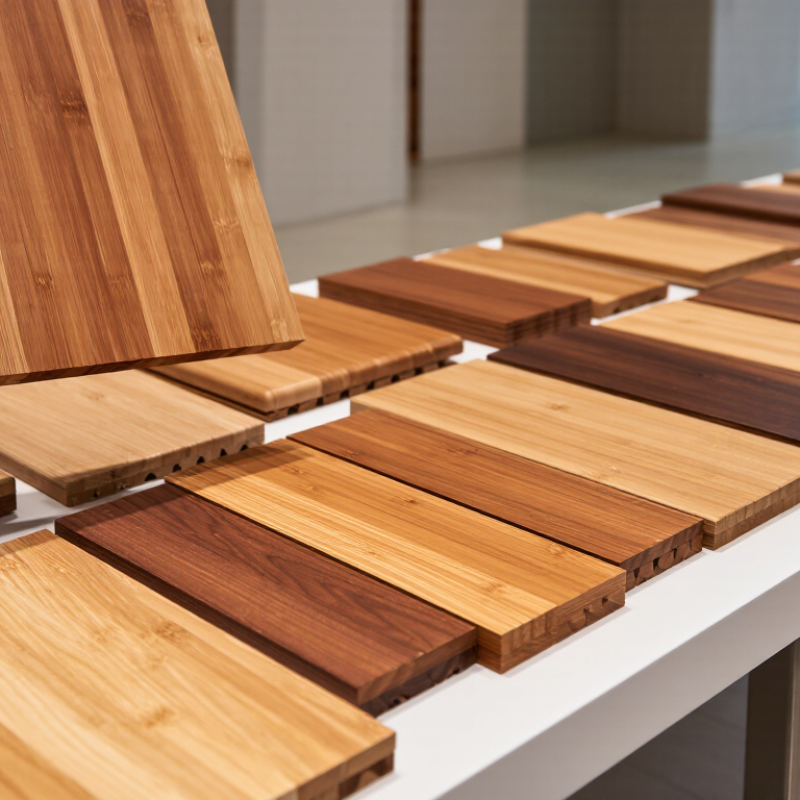
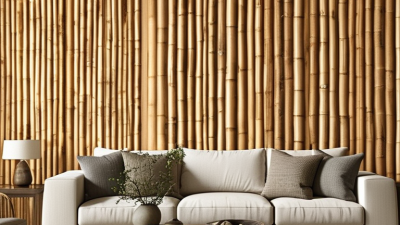
Bamboo wall panels are interior finishes made from bamboo strips, woven fibers, or thin bamboo layers fixed to a backing. Their appearance depends on the material, strand direction, surface texture, and finish. A close look at the panel edge can reveal how it is built. This matters because two panels with similar colors may perform differently on a wall.
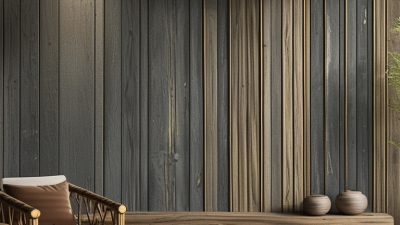
Solid or laminated bamboo panels show clear linear grain and suit feature walls or dry rooms. Woven bamboo panels use narrow strips in a visible pattern, adding texture but collecting dust in deeper grooves. Bamboo veneer panels have a thin bamboo face over a core material, which can make them lighter and easier to install. Each type has trade-offs. I would not assume that every bamboo panel handles humidity equally well; backing, adhesive, and coating all affect its suitability.
Tips: Check the panel’s core and finish, not just its color. Ask for installation guidance, and inspect a sample under the room’s actual lighting. Keep panels away from persistent dampness unless the supplier confirms they are designed for that setting. Even a small sample can be misleading. A full wall may look busier than expected.
A practical comparison of common bamboo wall-panel constructions. Thicknesses and performance vary by product, adhesive system, finish, and installation conditions; confirm technical specifications with the supplier.
| Panel Type | Typical Construction | Common Thickness | Appearance | Typical Advantages | Key Buying Considerations | Common Applications |
|---|---|---|---|---|---|---|
| Horizontal laminated bamboo panel | Bamboo strips are laminated with their wide faces arranged horizontally, making the node pattern visible. | About 5–20 mm for many decorative panel products; thicker boards are also available. | Distinct bamboo nodes and broad, relatively natural-looking grain. | Recognizable bamboo character; available in different colors and surface finishes. | Check panel dimensions, edge treatment, finish, adhesive emissions documentation, and whether the product is intended for wall use. | Interior feature walls, wall cladding, and decorative joinery. |
| Vertical laminated bamboo panel | Narrow bamboo strips are laminated edge-to-edge, with the strip edges facing the surface. | About 5–20 mm for many decorative panel products; actual options depend on construction. | Fine, narrow strip lines with fewer prominent node features than horizontal construction. | Regular linear appearance; useful where a consistent, restrained pattern is preferred. | Ask for samples to assess strip width, color consistency, surface quality, and joint visibility after installation. | Interior wall panels, cabinetry faces, and decorative partitions. |
| Strand-woven bamboo panel | Bamboo fibers or strands are compressed with resin under heat and pressure to form a dense composite. | Commonly around 10–20 mm for panel products, with other thicknesses available. | Dense, irregular grain; often offered in natural or carbonized tones. | Hard, compact construction and a distinctive textured appearance. | Confirm panel weight, cutting requirements, finish compatibility, and suitability for the intended wall-fixing system. | Feature walls, commercial interiors, and applications requiring a robust decorative surface. |
| Bamboo veneer-faced panel | A thin bamboo veneer is bonded to a core such as plywood, MDF, or another engineered substrate. | Often about 6–25 mm overall, depending on core and veneer thickness. | Bamboo surface appearance with a substrate-dependent panel edge. | Can provide a broad, stable sheet format and a bamboo finish over an engineered core. | Identify the core material, veneer thickness, edge-banding options, moisture limits, and applicable emissions specifications. | Interior wall lining, decorative panels, and built-in furniture. |
| Decorative bamboo surface panel | A bamboo-based surface or bamboo-look layer is applied to a rigid backing; construction varies by product. | Product-specific; often supplied as thin cladding or as a thicker backed panel. | May be smooth, textured, grooved, or patterned. | Offers varied surface designs and can simplify installation when supplied as a backed system. | Request a construction breakdown and verify whether the facing is solid bamboo, bamboo veneer, or another decorative layer. | Interior accent walls, reception areas, and decorative wall features. |
Specification note: Bamboo panels are hygroscopic and can respond to changes in humidity. For purchasing, compare moisture content, dimensional tolerances, finish, adhesive or emissions documentation, fire-performance information where required, and installation instructions. Do not assume a decorative interior panel is suitable for exterior or persistently wet locations.