How to Choose the Best Bamboo Wall Panel for Your Home?
Choosing the right Bamboo Wall Panel for your home can be a daunting task. Experts often cite the importance of quality and design in making this decision. For instance, renowned interior designer Lisa Tran has stated, "The right Bamboo Wall Panel can transform a space and bring nature indoors."
When selecting a Bamboo Wall Panel, consider texture and color. These panels come in various styles that can enhance your home's aesthetic. Some prefer a natural finish, while others may opt for a stained look. It is critical to visualize how each panel complements existing decor. Rushing this choice might lead to regret later on.
Also, think about the panel's durability and maintenance. High-quality bamboo is resilient and eco-friendly. However, not all panels are created equal. Researching different brands is essential to avoid potential pitfalls. An informed choice will ensure your Bamboo Wall Panel remains a stunning centerpiece in your home for years.
Understanding the Benefits of Bamboo Wall Panels for Interior Design
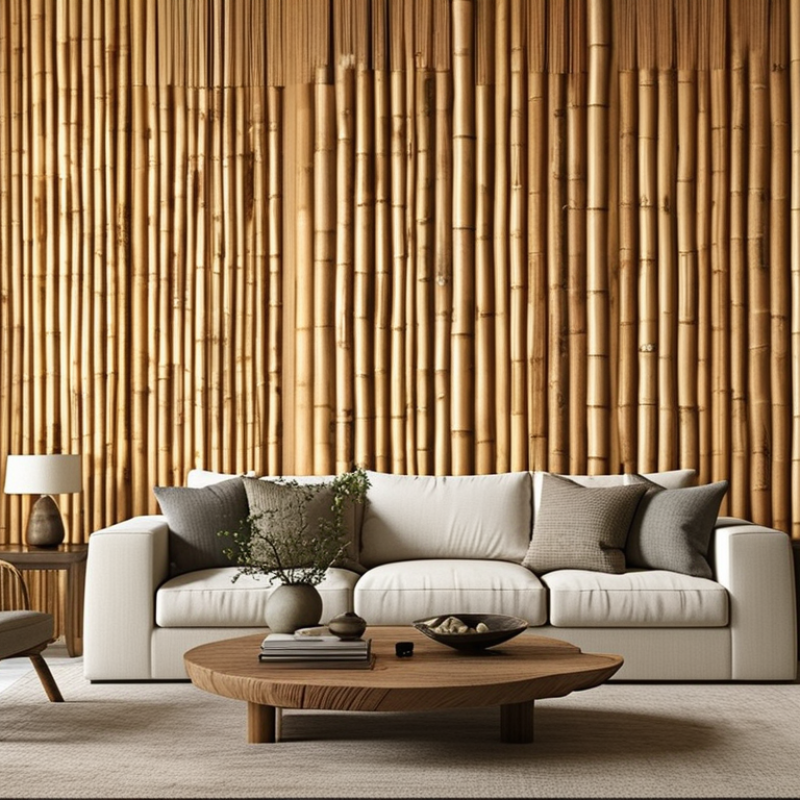
Bamboo wall panels have gained popularity in interior design for many reasons. They offer a warm and inviting aesthetic that enhances any space. One major benefit is sustainability. Bamboo is a fast-growing plant, making it an eco-friendly choice. This natural resource reduces environmental impact, as harvesting it doesn't harm the ecosystem.
In addition to being sustainable, bamboo is durable. When treated properly, it can withstand moisture and resist damage. This makes it suitable for various areas in your home, from living rooms to kitchens. Some people find that bamboo adds texture and depth to walls, creating a cozy atmosphere. However, not every bamboo panel is created equal. It’s vital to research quality and durability.
Another aspect to consider is maintenance. Bamboo may require occasional cleaning and some treatment to keep it looking fresh. Without the right care, it can show wear over time. While many love the look of bamboo panels, they might not fit every style or preference. It's essential to visualize how they blend with your existing decor. If you're after a unique, natural aesthetic, bamboo wall panels could be a fantastic choice.
Types of Bamboo Wall Panels and Their Unique Features
When selecting bamboo wall panels, understanding their types is crucial. There are three primary types: solid, veneered, and engineered bamboo panels. Solid bamboo panels are robust and ideal for high-traffic areas. They are made from compressed bamboo strips, providing durability and a unique aesthetic. A study from the International Journal of Bamboo and Rattan states that solid bamboo can withstand significant weight, showing its strength.
Veneered bamboo panels offer a lightweight and cost-effective option. These panels consist of a thin layer of bamboo over a substrate, making them suitable for decorative applications. The surface can showcase beautiful grains, adding an elegant touch to any room. However, they may not be as long-lasting as solid panels and can be susceptible to moisture if not properly sealed.
Engineered bamboo panels combine layers of bamboo and other materials, enhancing stability. They are designed to resist warping and are excellent for areas with fluctuating humidity. According to a report by the Bamboo Institute, engineered panels have gained popularity due to their eco-friendly nature and versatility. While they offer innovative solutions, buyers should consider their specific environment and maintenance needs when making a choice.
Key Factors to Consider When Choosing Bamboo Wall Panels
When choosing bamboo wall panels, several factors deserve your attention. First, consider the durability of the material. Bamboo can vary in strength based on treatment and thickness. Thicker panels often provide better resistance to moisture and wear. You might discover that not all finishes offer the same longevity. Some may wear off quickly, leading to discoloration.
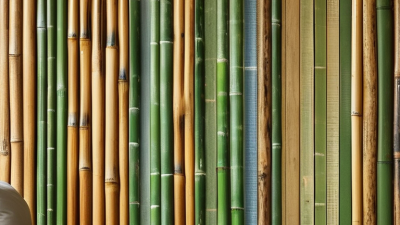
Another crucial aspect is the style and design of the panels. Look for options that truly match your home's aesthetic. The grain and color can range widely. Some designs may appear more polished, while others showcase a natural look. Your choice should enhance the overall vibe of your space.
Lastly, think about the installation process. Bamboo panels can require specific techniques for proper fitting. Some panels come with pre-finished edges, which can simplify installation. However, others may need more preparation. Ensure you have the right tools or consider professional help if needed. It’s important to remain realistic about your own skills and the time required.
How to Choose the Best Bamboo Wall Panel for Your Home? - Key Factors to Consider When Choosing Bamboo Wall Panels
| Factor |
Description |
Importance Rating (1-5) |
| Material Quality |
Look for high-quality bamboo with durable construction to ensure longevity. |
5 |
| Bamboo Type |
Different types of bamboo differ in appearance, durability, and sustainability. |
4 |
| Finish |
Consider the finish for aesthetics and protection against wear and moisture. |
4 |
| Thickness |
Thicker panels provide better sound insulation and durability. |
3 |
| Installation Method |
Check if the panels are easy to install or require professional help. |
3 |
| Eco-Friendliness |
Select panels made from sustainably sourced bamboo. |
5 |
| Design Options |
Availability of various designs to match your home decor is essential. |
4 |
| Price |
Consider your budget while ensuring quality and design. |
4 |
Color, Texture, and Style: Matching Panels to Your Home Decor
When selecting bamboo wall panels, color and texture are crucial for achieving harmony with your home decor.
Bamboo panels come in various shades, from light natural tones to rich, dark hues. A study by the Green Building Council indicates that natural materials, like bamboo, can enhance indoor air quality, making them a sustainable choice.
The right color can create a tranquil environment. Light shades can enlarge spaces visually, while darker tones add sophistication.
Texture also plays a significant role in your choice. Panels can be smooth or textured, affecting the light reflection in the room. According to research published in the Journal of Interior Design, textured surfaces improve sensory experience.
You may prefer a rougher finish if you're aiming for a rustic look. On the other hand, sleek surfaces suit contemporary styles.
Mixing textures can add dimension, but it’s essential to avoid overwhelming the space; balance is key.
Consider the overall style of your home. A modern decor may benefit from minimalist panels, while a traditional setting could embrace intricate patterns.
Data from the National Association of Home Builders suggests that cohesive decor can increase property value.
Reflecting on your choices is vital. What does each panel communicate in your space? The goal is to create continuity, making your home a true reflection of you.
Installation and Maintenance Tips for Bamboo Wall Panels
Bamboo wall panels offer a beautiful and eco-friendly option for interior design. When it comes to installation, preparation is key. Ensure that your wall surface is clean and dry. Moisture can warp bamboo, so choose a space with stable humidity levels. A study by the Forest Products Laboratory notes that bamboo's durability can last for decades if cared for properly.
Begin by cutting the panels to fit your wall space. Use a fine-toothed saw to avoid splintering. Follow the manufacturer's guidelines for adhesive or fasteners. Ensure the panels fit snugly for a seamless look. Some experts recommend allowing the panels to acclimate to the room temperature for 24 hours before installation.
Maintenance is fairly straightforward. Regular dusting is essential, as debris can scratch the surface. Clean spills with a damp cloth immediately to prevent stains. According to research from the National Wood Flooring Association, using a pH-neutral cleaner maintains the panel's finish without damage. Over time, bamboo may need a reapplication of finish to restore its original sheen. Be mindful of heavy furniture placement, as it could compress the bamboo over time.