What is Fluted Panel Uses Benefits and Applications?
Fluted panels are gaining significant attention in the construction and design industries. According to industry expert James Smith, “Fluted panels add depth and character to any space.” Their unique texture provides aesthetic appeal while enhancing functionality.
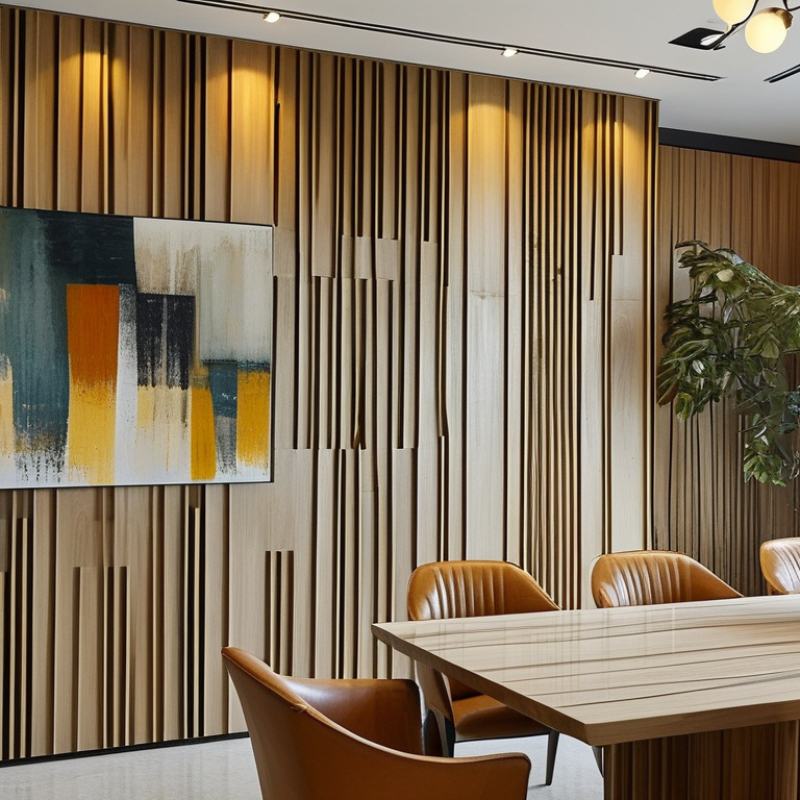
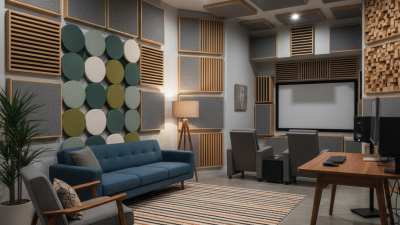
These panels serve various purposes, from wall coverings to furniture accents. Their vertical grooves create an illusion of height, making rooms feel more expansive. Additionally, fluted panels offer excellent sound insulation, improving acoustic qualities in commercial spaces.
Yet, the choice of fluted panels is not without its challenges. Installation can be tricky, requiring skilled labor to ensure proper alignment. Moreover, maintenance involves regular cleaning to keep the grooves free of dust. Reflecting on these factors is essential for making informed decisions in design projects.
Fluted Panel: Definition and Overview
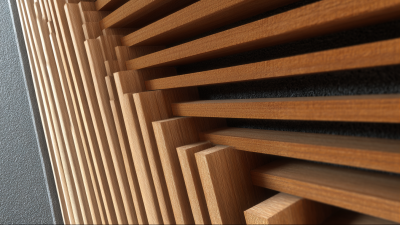
Fluted panels are becoming a popular choice in modern architecture. They provide both aesthetic appeal and functional benefits. These panels are typically made from materials like wood, metal, or composite, featuring vertical grooves that enhance visual interest and depth. According to industry reports, the demand for fluted panels in interior design has increased by nearly 25% over the past five years.
In applications such as commercial spaces, fluted panels serve various purposes. They can improve acoustics, reduce noise levels, and increase privacy in open areas. The design flexibility allows for creative layouts that can transform spaces. However, achieving a seamless look can sometimes be challenging. Proper installation requires skilled labor to ensure that alignment and spacing are consistent throughout.
While fluted panels offer numerous advantages, there are considerations to keep in mind. Maintenance of the panel's surface can be demanding. Accumulated dust and scratches may detract from their appearance over time. Additionally, while the installation adds beauty, the cost may be prohibitive for some projects. Balancing these factors is crucial in making informed design decisions.
Common Materials Used in Fluted Panel Construction
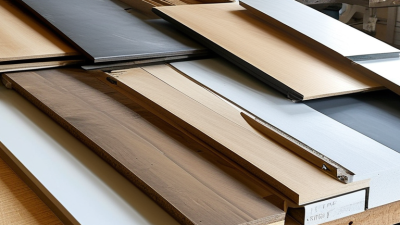
Fluted panels are increasingly popular in construction, often made from various materials that impact their durability and aesthetics. Common options include MDF, plywood, and solid wood. Each material has unique properties. For example, MDF is lightweight and cost-effective, making it suitable for indoor applications. Plywood, known for its strength, is used in areas needing more structural support.
Solid wood offers natural beauty and durability but comes at a higher price. It can warp or crack if not cared for properly. It's essential to weigh the benefits against potential drawbacks. Some homeowners might dislike changes in wood grain or color over time.
Another option is plastic or composite materials. These are resistant to moisture and corrosion. They often come in various colors and patterns, appealing to modern aesthetics. However, some may find the look less authentic compared to natural wood. Understanding these materials and their applications helps in making informed decisions. It’s worth reflecting on what fits best for individual design needs and maintenance preferences.
Key Benefits of Using Fluted Panels in Design
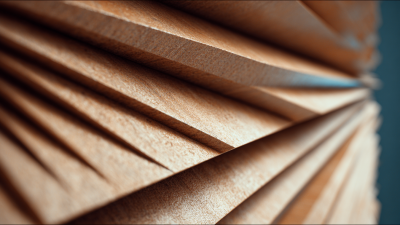
Fluted panels are an innovative design element that can transform spaces. Their vertical grooves add texture and depth, making them visually appealing. This unique feature enhances light play, creating dynamic shadow patterns throughout the day. The panels are used in various applications, including wall coverings and furniture.
One key benefit of fluted panels is their ability to elevate aesthetics. They can make a space feel more sophisticated. Designers appreciate their versatility, as they fit both modern and traditional styles. Additionally, fluted panels can improve acoustics in a room, helping to absorb sound and reduce noise. This makes them particularly useful in offices and public spaces.
Tip: When considering fluted panels, think about the size of the grooves. Wider grooves can create a more dramatic effect, while narrower grooves may offer a subtler look. Also, consider the finish to enhance the texture further. Choosing the right materials is crucial for durability.
Keep in mind that installation can be challenging. It requires precision to align the panels correctly. Misalignment can disrupt the visual flow. Thus, hiring a professional can ensure a seamless appearance. Understand the maintenance needs as well; some surfaces might require more care to keep them looking new. Fluted panels are an attractive choice, but careful planning is essential.
What is Fluted Panel Uses Benefits and Applications? - Key Benefits of Using Fluted Panels in Design
| Dimension |
Description |
Benefits |
Applications |
| Material Type |
Various materials such as plywood, MDF, or PVC. |
Versatile and customizable options for various designs. |
Interior and exterior walls, furniture design. |
| Aesthetic Appeal |
Unique textural patterns that enhance visual interest. |
Creates depth and dimension in designs. |
Decorative panels in residential and commercial spaces. |
| Acoustic Properties |
Panels can help in sound absorption. |
Improves sound quality in spaces. |
Theaters, conference rooms, and recording studios. |
| Installation |
Easily mounted and rearranged if needed. |
Saves time and reduces labor costs. |
Event spaces, temporary installations. |
| Durability |
High resistance to wear and environmental factors. |
Long-lasting performance and lower maintenance costs. |
High-traffic areas, exterior applications. |
Applications of Fluted Panels in Interior and Exterior Design
Fluted panels are gaining popularity in both interior and exterior design. Their distinctive ridged texture can add depth and interest to various spaces. In interiors, they are often used for accent walls or as part of cabinetry. This creates a modern yet timeless look that enhances any room.
For exterior applications, fluted panels can be seen on facades and outdoor structures. They provide a unique visual appeal while maintaining durability against weather conditions. The texture helps to reflect light in fascinating ways. This can make a building stand out in its surroundings.
Tip: When selecting fluted panels, consider the size and spacing of the grooves. Wider grooves can create a bold look, while narrower ones appear more subtle. Experiment with different colors and finishes to see what fits your design vision best.
However, installation can be challenging. Ensure that you have the right tools and techniques. Mistakes during installation may lead to uneven surfaces. Always double-check measurements before cutting. Fluted panels can truly elevate a design scheme when utilized thoughtfully.
Maintenance and Durability Considerations for Fluted Panels
Fluted panels are gaining popularity in both residential and commercial designs. Their unique texture offers an aesthetic appeal, while also providing functional benefits. However, maintenance and durability are critical factors to consider for longevity.
Fluted panels can withstand various environmental conditions. A study by the International Panel Association reported that high-quality fluted panels can last over 20 years with proper care. The materials used in manufacturing affect their performance. For instance, panels made from high-density composites show better resistance to moisture and pests. Regular cleaning is essential. Dust and grime can accumulate in the grooves, affecting appearance.
**Tips:** Periodically inspect panels for signs of wear or damage. Addressing issues early can prevent costly repairs.
Choosing the right finish also impacts durability. A UV-protective coat can help panels resist fading from sun exposure, essential in outdoor applications. However, some finishes may require reapplication every few years. This maintenance aspect might be overlooked but is vital for maintaining the panel's integrity.
**Tips:** Keep a maintenance log to track when treatments are applied. This habit aids in timely reapplications.
Understanding these factors ensures that fluted panels continue to enhance spaces for years to come. Proper care will also maximize their visual appeal and structural integrity.