Top 10 Acoustic Panels for Soundproofing Your Space?
Acoustic panels have become essential for creating serene environments. Renowned sound engineer Dr. Sarah Collins once stated, "Great acoustics transform a space and elevate experiences." Her insight emphasizes the importance of sound management in various settings.
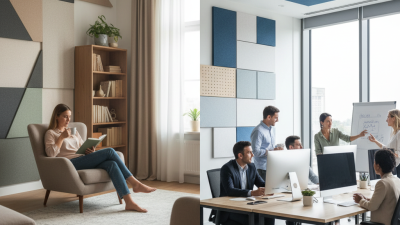
Creating a peaceful atmosphere relies heavily on effective acoustic solutions. Poor sound quality can lead to distractions and frustrations. Well-placed acoustic panels can dramatically enhance sound clarity while reducing noise pollution. This improvement transforms a room's function, whether for work or relaxation.
However, choosing the right acoustic panel can be overwhelming. Not all panels offer the same benefits. Some may look appealing but lack effectiveness in sound absorption. It is crucial to research and understand the different options available. This ensures that investments lead to genuine soundproofing improvements. Making an educated choice is vital in crafting a harmonious space.
Understanding Acoustic Panels and Their Importance in Soundproofing
Understanding acoustic panels is crucial for effective soundproofing. These panels are designed to absorb sound waves and improve acoustics in any space. They help reduce echo and background noise, creating a more peaceful environment. You might find them in recording studios, offices, or homes where clarity is essential.
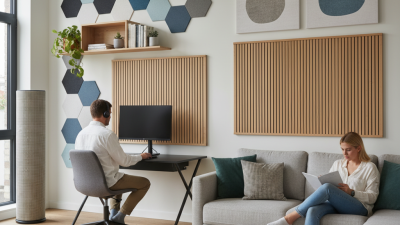
When choosing acoustic panels, consider material and density. Many options use foam, fabric, or wood. Each has its own properties and effectiveness. For instance, dense materials often offer better sound absorption. You can also find panels in various colors and designs, allowing you to enhance aesthetics while improving functionality.
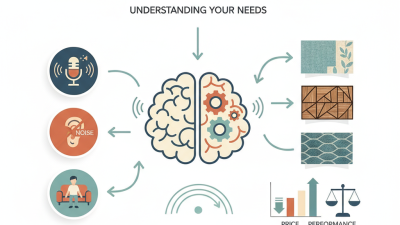
It's important to reflect on your specific needs. Not every panel suits every situation. Some spaces might require significant sound control, while others may only need minor adjustments. Improper installation can lead to less than satisfactory results. Take your time to research. Understanding the nuances of acoustic panels can lead to better choices for your soundproofing journey.
Different Types of Acoustic Panels and Their Applications
When considering acoustic panels, it’s essential to understand the different types and their applications. Fiberglass panels are a popular choice for home studios. They provide excellent sound absorption and can be painted to match any decor. These panels are ideal for reducing echoes in smaller spaces.
Another option is foam panels, which are lightweight and easy to install. They work well in recording studios and theaters. Though effective, they may not be as durable as other materials.
Wooden panels offer a stylish look with multifunctional benefits. They can improve room acoustics while enhancing the ambiance. However, they may require professional installation.
Reflecting on the diversity of available panels, one might overlook the specific needs of their space. Each environment is unique, and what works in one room may not work in another. It’s crucial to test different options to find the most effective solution. Balancing aesthetics with functionality can sometimes be challenging, but it's a worthwhile pursuit for achieving the desired sound quality.
Top 10 Acoustic Panels for Soundproofing Your Space
This bar chart illustrates the sound absorption ratings (NRC) of different types of acoustic panels commonly used for soundproofing spaces. The NRC values indicate how effectively each type absorbs sound, helping users identify the best options for their soundproofing needs.
Top 10 Acoustic Panels: Features, Benefits, and Pricing
When choosing acoustic panels, consider their core features. Material density plays a crucial role. Thicker panels absorb more sound. Lightweight options can be easy to install but may not block noise effectively. Look for panels with sound absorption ratings. These ratings indicate how well they perform in various settings.
The benefits of acoustic panels are significant. They enhance sound quality in recording studios. Home theaters benefit from reduced echo and better clarity. In open offices, these panels create a more productive environment. Employees report higher satisfaction when noise levels decrease. Pricing varies widely; some options are affordable, while others require a larger investment.
Many panels come in various designs to fit any aesthetic. This is advantageous for personal spaces like living rooms. However, adhering to design trends can lead to potential remorse. Over time, those choices may not align with your evolving tastes. Also, initial installation may seem straightforward, yet some DIY adjustments might be necessary. Always reflect on how sound interacts with your unique space.
Top 10 Acoustic Panels for Soundproofing Your Space
| Panel Type |
Material |
Thickness |
Noise Reduction (NRC) |
Price Range |
| Foam Panel |
Polyurethane |
2 inches |
0.95 |
$50 - $100 |
| Fabric-Wrapped Panel |
Mineral Wool |
1 inch |
0.85 |
$60 - $120 |
| Wooden Panel |
MDF |
0.75 inches |
0.80 |
$70 - $140 |
| Bamboo Panel |
Bamboo Fiber |
1.5 inches |
0.90 |
$80 - $160 |
| PVC Panel |
PVC |
1 inch |
0.75 |
$40 - $90 |
| Acoustic Ceiling Tile |
Fiberglass |
2 inches |
0.95 |
$50 - $110 |
| Slatwall Panel |
Wood Composite |
1 inch |
0.85 |
$90 - $150 |
| Cloud Panel |
Acoustic Foam |
3 inches |
1.00 |
$70 - $130 |
| Panel with Hooks |
Cotton |
1.5 inches |
0.90 |
$60 - $115 |
| Flexible Acoustic Panel |
Recycled Materials |
1 inch |
0.88 |
$55 - $105 |
Installation Tips for Maximum Soundproofing Effectiveness
Acoustic panels play a crucial role in soundproofing spaces, but their effectiveness greatly depends on installation.
Proper placement can enhance sound absorption, reducing noise levels significantly.
According to a study by the Acoustical Society of America, strategically placed panels can lead to up to a 50% reduction in reverberation time.
This emphasizes the importance of thinking critically about where to install them.
Visualize your space. Identify areas with significant sound issues. Corners and walls opposite each other are prime spots for panel placement.
Hanging panels should be at ear level for optimal absorption. Use adhesive strips for an easy installation.
Be mindful of the texture and density of the panels. Thicker panels often absorb lower frequencies better, making them essential in busy environments.
One common mistake is neglecting the ceiling.
Installing panels overhead can greatly improve sound quality.
Don’t forget about testing sound levels before and after installation.
This feedback loop helps in understanding what works.
Adjusting panel placement based on real-time results can lead to better outcomes.
Always remain flexible with your setup and be open to re-evaluation based on your observations.
Soundproofing is a dynamic process that thrives on continuous refinement.
Maintaining and Caring for Your Acoustic Panels for Longevity
Acoustic panels play a crucial role in soundproofing spaces. Maintaining these panels ensures their effectiveness over time. Regular cleaning is essential. Dust and dirt can accumulate, affecting performance. Use a soft cloth or vacuum on low settings to keep them in optimal condition.
Humidity can also impact acoustic panels. Too much moisture can warp the material. Keeping your space well-ventilated helps mitigate this risk. According to a report by the Acoustical Society of America, proper care can extend the life of acoustic materials by up to 50%. This underscores the importance of maintaining a suitable environment.
Occasionally, check for signs of wear. Panels may fade or lose their shape after prolonged use. Promptly address any damage. This proactive approach ensures your panels continue to provide the desired sound absorption. Regular maintenance creates a more pleasant acoustic environment.