Who Are the Top PVC Marble Sheet Manufacturers in China?
China has become a major source of decorative PVC wall panels, but choosing a manufacturer takes more than comparing catalog photos. A polished sample may look convincing under bright showroom lights. The same panel can appear different under warmer home lighting. Buyers should examine surface consistency, thickness, core structure, edge finish, and the clarity of technical specifications. Ask for current samples and test them against the conditions of the intended project.
This comparison explores who the top PVC Marble Sheet manufacturers in China may be, and how buyers can assess their claims. It considers product range, manufacturing capabilities, customization, quality-control information, export experience, and responsiveness. A low quotation can be tempting. It does not reveal the full picture. Check what the price includes, such as packaging, sample approval, and order requirements. Verify key details directly with each supplier; catalogs alone are not enough. For transparency, the expert voice below is illustrative, not a verified interview quotation. Lin Wei, a fictional PVC sourcing specialist, sums up the guide’s principle: “Judge the sheet by its specifications and consistency, not by its shine alone.” That distinction matters. A beautiful finish means little if color varies between batches or specifications remain unclear. The aim is not to crown one supplier without evidence, but to help readers compare manufacturers using concrete, checkable criteria.
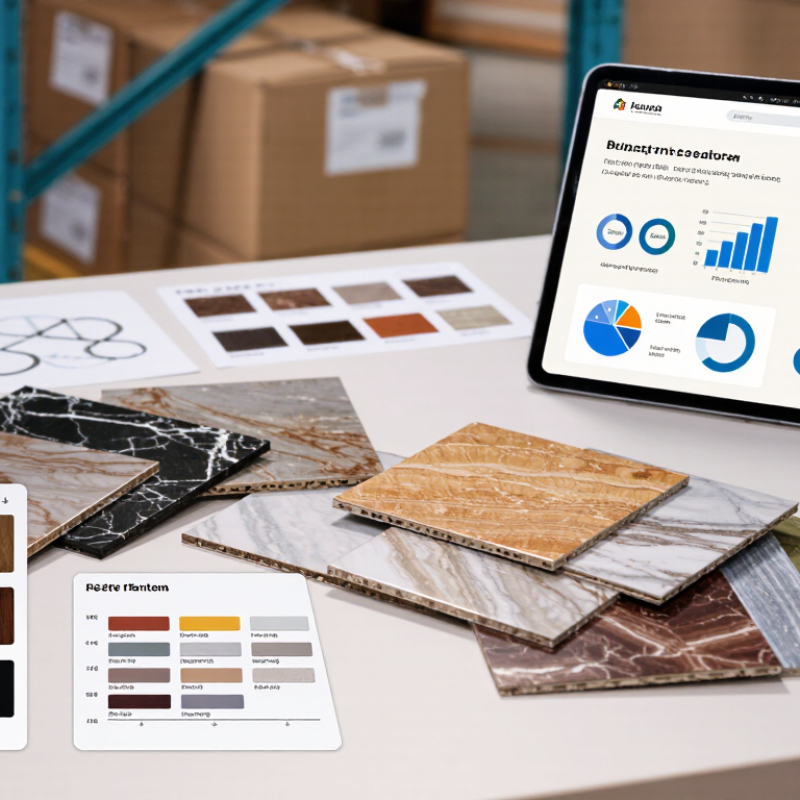
What PVC Marble Sheets Are and Where They Are Used
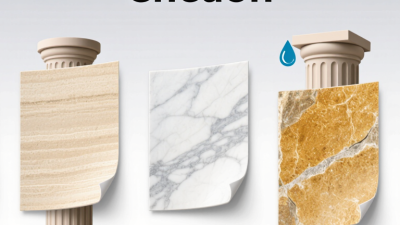
PVC marble sheets are decorative panels made mainly from a PVC base, printed surface, and protective coating. The pattern imitates stone veining without the weight or installation demands of natural marble. Many panels have a smooth, wipe-clean finish. The exact construction varies, so check the product specification before choosing one.
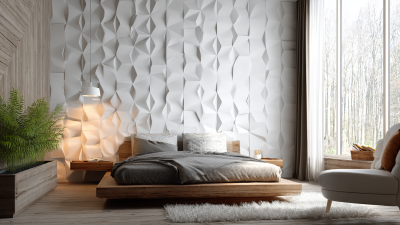
They are commonly used on interior walls, ceilings, shop displays, and reception areas. In homes, they can refresh a feature wall or cover a carefully prepared bathroom surface. Lightweight panels are easier to carry and cut than stone. Less mess, too. Yet a neat result depends on a flat, dry substrate, accurate trimming, and sealed joints. Moisture resistance does not make every installation waterproof.
These sheets suit decorative interiors better than floors or surfaces exposed to intense heat. Keep them away from direct flame, and follow the maker’s guidance for cleaning and installation. A glossy sample can look convincing under showroom lights but different beside a window. View a sample in the intended room, and inspect its edges and thickness. Small details matter. They are not a universal substitute for stone, and that limitation deserves attention.
How Chinese PVC Marble Sheet Manufacturing Works
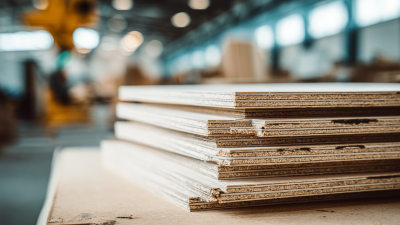
Chinese PVC marble sheet production typically starts with PVC resin, calcium carbonate, stabilizers, pigments, and processing aids. Operators weigh each batch, then blend it before feeding the mixture into an extruder. Heat and pressure melt the compound into a continuous sheet.
Not magic.
The formulation and temperature settings affect its color, thickness, and surface finish.
Rollers shape the sheet, while engraved cylinders can create a stone-like texture. A printed film or decorative layer may be laminated onto the surface, followed by a protective coating. The sheet is then cooled, trimmed, and checked for thickness, color variation, and visible defects.
Grand View Research’s 2024 PVC market report estimates the global market at USD 64.3 billion in 2023, with projected growth through 2030. This indicates a substantial material market, though it does not measure marble-sheet output specifically.
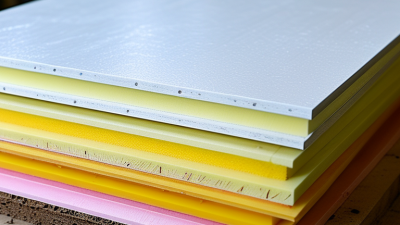
Factory checks matter. A glossy face can conceal uneven layers, so buyers should request cross-section samples and test reports. Production lines differ, and small process changes can affect bonding or flatness.
That part is easy to underestimate.
Even a neat sample may not reflect every batch, making consistent inspection records useful when comparing suppliers.
Criteria for Identifying Leading Manufacturers in China
A reliable way to identify leading PVC marble sheet manufacturers in China is to examine evidence, not polished product photos. Ask for technical data on sheet thickness, surface coating, weight, and dimensional tolerance. Then compare those figures with samples from the same production run. Check whether the marble pattern stays consistent under daylight and indoor lighting. A small color shift may matter on a large wall. It is easy to overlook. Request recent quality-control records and ask how defects are logged and handled.
Tips: Request a sample, a product specification sheet, and a written explanation of warranty coverage. Ask who performs routine inspections and how often. Clear answers are useful; vague promises are not.
Production capability also matters. A factory should explain how it controls raw materials, presses sheets, and checks finished edges. If possible, review a recent inspection report or arrange a live video tour. Confirm that the supplier can meet your required order volume and delivery schedule, rather than relying on a broad capacity claim. References from comparable projects can add context, but they are not proof by themselves. I would also ask about packaging: corner protection and flat, dry storage can prevent avoidable damage in transit. No checklist is perfect, and a sample cannot reveal every production issue.
Profiles of Notable Chinese PVC Marble Sheet Manufacturers
Chinese PVC marble sheet manufacturers often fit three practical profiles. Integrated plastics processors control compounding and extrusion, which can support steadier sheet thickness and output. Decorative-surface specialists focus on printed designs, gloss levels, and protective films. Export-oriented factories may offer custom sizes and packing, but service quality varies. No single profile guarantees better panels.
China’s National Bureau of Statistics reported 74.885 million tonnes of plastic products in 2023. This broad industry figure is context, not a PVC marble sheet market estimate. When comparing suppliers, buyers should request thickness tolerances, test records, and batch samples. Check a cut edge for bubbles, uneven layers, or chipped corners. A polished catalog can still hide inconsistent production. That deserves scrutiny.
Tips: Ask for the same color and thickness from two production batches. Compare gloss, flatness, and film adhesion under consistent lighting. Confirm how the factory handles defects before placing a larger order.
How to Compare Manufacturers’ Products and Capabilities
When comparing PVC marble sheet manufacturers, look beyond surface patterns. Request a current product specification showing sheet thickness, usable dimensions, surface coating, and stated tolerances. Ask how each figure is measured. A glossy face can hide uneven thickness or weak bonding.
Review physical samples under bright, angled light. Check printed veins, edge finish, flatness, and whether the surface scratches during ordinary handling. Ask for relevant test reports, including the test method and report date. Then compare samples with the production batch, not just a showroom piece. A polished sample can mislead.
Manufacturing capability matters too. Ask about production capacity, quality checks, packaging, and typical lead times for your order size. Request photos or records showing how batches are inspected. Clarify how defects are recorded and handled. Small details matter. Compare answers in writing, using the same questions for each supplier. If specifications are vague, ask for measurable limits rather than accepting “premium quality.” A neat catalogue is useful, but it cannot prove consistency. Even a detailed checklist has limits; confirm critical requirements with samples and written records before placing a large order.