Top 10 Uses of Pu Stone in Global Trade?
In the world of global trade, the versatility of Pu Stone stands out. Renowned industry expert Dr. Amelia Chen states, “Pu Stone is transforming sectors from construction to technology.” This natural stone, known for its durability and aesthetic appeal, offers varying applications that impact economies worldwide.
From crafting fine sculptures to providing building materials, Pu Stone is integral to trade. Its unique properties allow for innovative uses, such as in electronics and automotive industries. Companies are increasingly recognizing its potential, showcasing how Pu Stone can enhance product quality and sustainability.
However, the growing demand raises sustainability concerns. Extracting Pu Stone must balance economic benefits and environmental impact. Striking this balance is essential for a responsible future. As trade evolves, the focus on ethical sourcing and sustainable practices in the Pu Stone industry will become paramount. Exploring the ten most significant uses of Pu Stone reveals not just opportunities but also challenges that require reflection and innovation.
Origins and Properties of Pu Stone in Global Trade
Pu stone, a unique gemstone, has captivated global trade for centuries. Originating from volcanic activity, it possesses a rich history tied to various cultures. Its vibrant hues and striking patterns make it desirable for artisans and collectors alike. The stone's density and durability contribute to its popularity in jewelry and decorative items. Each piece carries a story, reflecting the earth's forces that created it.
The properties of Pu stone extend beyond aesthetics. It exhibits a unique ability to resonate with energy, which is often sought after in metaphysical practices. This aspect has led to its use in spiritual tools and wellness products. However, there are concerns regarding sourcing practices that threaten sustainability. Not all regions practice responsible mining. Ensuring ethical sourcing remains a challenge for traders and consumers alike.
As demand grows, the balance between commerce and environmental stewardship becomes vital. Educating stakeholders on responsible practices is essential. Awareness can drive changes that benefit the planet while still celebrating the beauty of Pu stone. Each transaction holds potential, pushing for progress in how we engage with these natural treasures. The journey of Pu stone in global trade reflects both wonder and responsibility.
Historical Significance of Pu Stone in Ancient Civilizations
Pu stone has captivated civilizations for centuries. Its historical significance is evident in numerous ancient cultures. Used in construction, it served as a durable building material for temples and fortresses. The strength and aesthetic appeal made it a popular choice among architects and artisans.
In regions like the Indus Valley, Pu stone structures showcased advanced engineering. These edifices still stand today, highlighting the stone's longevity and importance. Evidence of its use has been found in burial sites, signifying its role in burial practices. Grave markers were often crafted from Pu stone, reflecting the beliefs of life after death.
Despite its esteemed reputation, not all uses were practical. Some ancient civilizations exploited Pu stone recklessly, leading to resource scarcity. This raises questions about sustainability and the balance between use and conservation. The legacy of Pu stone offers lessons for modern trade practices and resource management.
Modern Applications of Pu Stone in Construction and Architecture
Pu stone, known for its durability and versatility, has become a staple in modern construction and architecture. This material is often used for façade designs, providing both aesthetic appeal and structural integrity. Architects favor it for its unique texture and ability to withstand environmental stressors. The use of Pu stone can be seen in various iconic buildings, showcasing its capability to blend functionality with beauty.
In addition to façades, Pu stone finds applications in flooring and landscaping. Its resistance to wear makes it ideal for high-traffic areas. When used outdoors, it enhances the natural landscape while providing a sturdy walking surface. However, there are challenges. The extraction process can raise environmental concerns, making sustainability a topic worth exploring. Balancing the benefits of using Pu stone with its environmental impact is crucial.
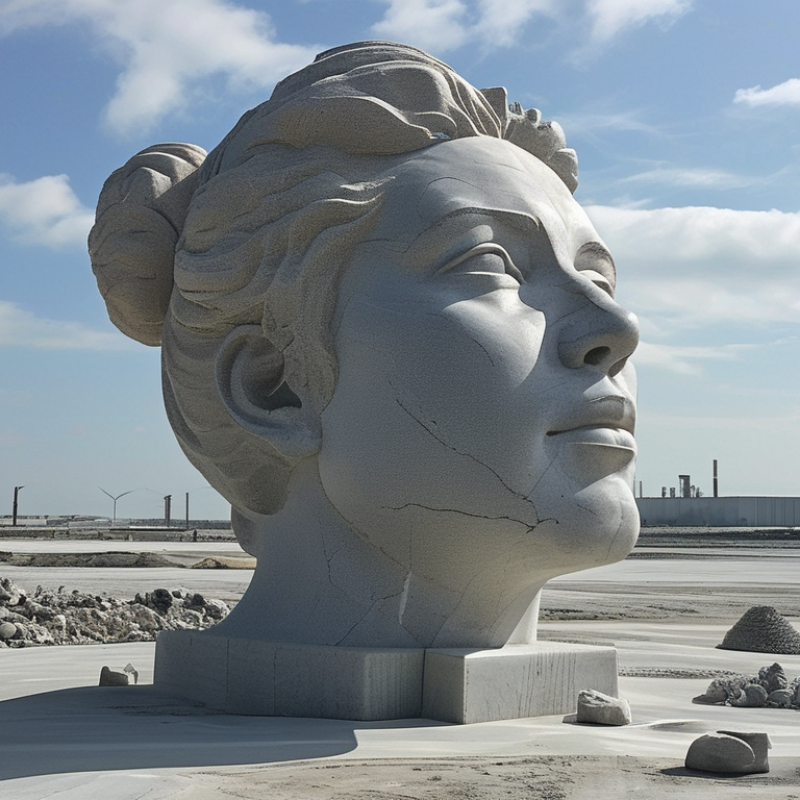
Another noteworthy application is in monuments and sculptures. Artists appreciate its workability and finish. However, some practitioners struggle with achieving the same level of detail as with other materials. This highlights the need for continuous improvement in techniques and practices. Overall, while Pu stone is a valuable asset in construction and architecture, it also invites reflection on its broader effects.
Pu Stone's Role in the Jewelry and Decorative Arts Market
Pu stone, a versatile material, plays a significant role in the jewelry and decorative arts market. Its unique properties, such as durability and aesthetic appeal, make it a favored choice among artisans and designers. Pu stone can mimic the appearance of more expensive stones, providing a cost-effective alternative. This quality allows artists to create stunning pieces without breaking the bank.
In jewelry making, Pu stone is often used in various forms. From earrings to pendants, its vibrant colors can enhance any design. Artisans appreciate how easily it can be shaped and polished. Its lightweight nature makes it comfortable to wear, appealing to a broad audience. Yet, the rise in popularity raises concerns about quality control. Not all sources provide genuine Pu stone, leading to inconsistencies in the market.
Decorative arts also benefit from Pu stone's adaptability. It can be transformed into intricate sculptures, vibrant mosaics, and more. However, the accessibility of Pu stone may dilute craftsmanship. As more artists enter the market, the challenge remains to maintain high standards. Balancing innovation with quality is crucial. The future of Pu stone in these industries will depend on the commitment to authenticity and artistry.
Environmental Impact and Sustainability of Pu Stone Extraction
The extraction of Pu stone is a topic attracting increasing attention due to its environmental implications. Pu stone is admired for its durability and aesthetic appeal, making it popular in various applications. However, the mining process is often aggressive, leading to habitat destruction. This raises critical questions about sustainability.
Efforts to manage environmental impact are essential. Responsible mining practices can lessen soil erosion and water pollution. Striking a balance between economic benefits and ecological preservation is vital. Local communities often bear the brunt of these mining activities, facing disrupted livelihoods. Transparency in extraction processes can build trust with affected populations.
Innovation in sustainable practices is crucial. Techniques like selective mining help minimize damage by extracting only needed materials. The importance of recycling Pu stone should also not be overlooked. Reusing materials can reduce the demand for new extraction and prolong the stone's life cycle. In the end, the challenges in Pu stone extraction warrant careful consideration to foster both trade and environmental health.