How to Choose Interior Design Styles in 2026?
In 2026, choosing an Interior Design style is less about copying a polished room and more about shaping spaces around daily life. A sunlit kitchen, a narrow hallway, or a sofa that must survive muddy shoes can matter more than a trend forecast. The right style should fit how you use your home, what you can maintain, and what feels comfortable over time.
Before saving inspiration photos, notice how daylight moves through each room and where clutter tends to collect. Small tests help. Paint a sample beside a window, or bring home a fabric swatch and view it in morning and evening light. These simple checks can prevent expensive mismatches. They also reveal details that online images often hide, such as glare, texture, and scale.
Style labels are useful starting points, not rules. A warm minimalist room may still need patterned cushions; a traditional home can include a clean-lined lamp. Consider durability, cleaning needs, available space, and the cost of changing finishes before committing. Even a careful plan can miss something: a color may feel colder at home, or a beautiful chair may crowd the walkway. That is worth acknowledging. This guide will compare popular directions, explain how to assess their practical trade-offs, and help you combine influences without making a room feel forced. The goal is not a flawless showroom. It is a home that works—and feels like yours.
Assess Your Space, Lifestyle, and Budget
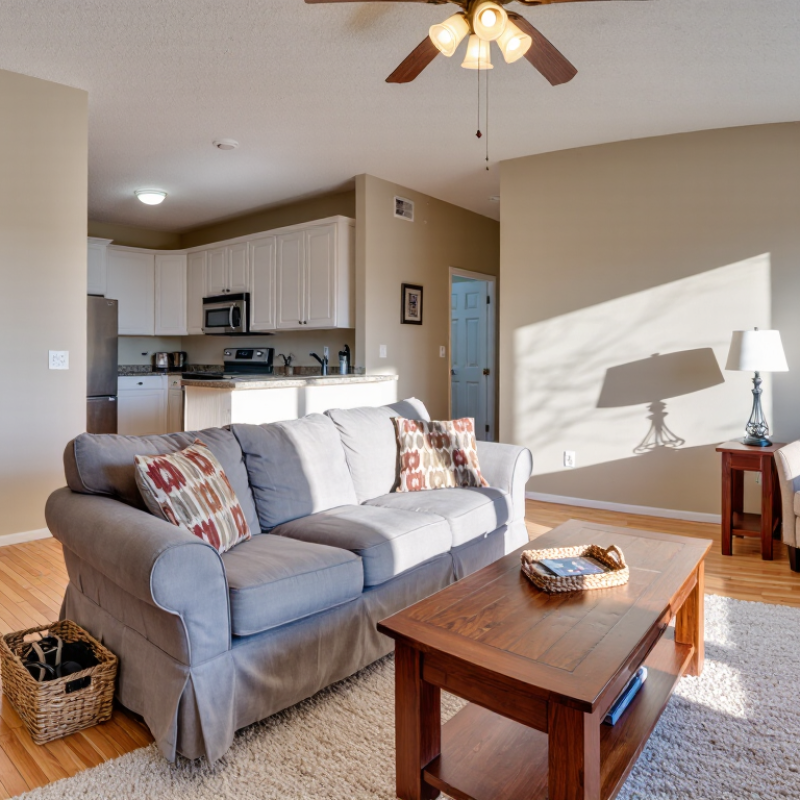
Choosing an interior style in 2026 starts with the room you actually have, not a perfect photo. Measure walls, windows, door swings, and the clear path between furniture. A narrow living room may suit slim, raised pieces better than a bulky sectional. Notice daylight, too: north-facing rooms can make cool paint feel even colder. Be honest about daily clutter. It matters.
Tips: Take photos in the morning and evening. List three must-haves and one thing you can give up. Then set a firm budget that includes delivery, lighting, and small repairs.
Your lifestyle should guide materials and maintenance. If pets or children share the space, washable covers and forgiving finishes may save frustration. If you work at home, reserve a quiet corner and check where the outlets sit. Split your budget into essentials, flexible upgrades, and a small contingency. Try one change before committing to a full room. A paint sample can look different beside your flooring. Some choices will miss. That is useful feedback, not failure.
Explore Interior Design Styles and 2026 Trends
In 2026, interior design is less about copying a finished room and more about shaping a home around daily habits. Warm wood, textured walls, soft curves, and earthy colors remain popular, while cleaner lines keep spaces feeling fresh. These directions can work with contemporary, Scandinavian, or classic interiors; they do not require a full makeover. A linen curtain beside a walnut table may add more character than another decorative object. Small changes matter.
Before choosing a style, notice how a room is used at different times of day. Check the natural light, storage needs, and surfaces that take the most wear. Then collect a few samples and view them together at home. Colors can shift under evening lamps. I have learned that a lovely fabric swatch can feel quite different across an entire sofa, so test before committing.
Tips: Pick three guiding words, such as calm, tactile, and practical. Repeat one color or material in a few places, and leave room for personal objects. Trends change. Your needs may, too. A room does not have to look perfectly finished to feel considered.
Compare Styles for Function, Mood, and Upkeep
How to Choose Interior Design Styles in 2026?
Compare Styles for Function, Mood, and Upkeep
Choosing an interior style in 2026 is less about copying a photograph than noticing how a room works. A pale, pared-back scheme can make a narrow living room feel brighter, but open shelves collect dust and show every uneven stack. If you cook daily, put wipeable surfaces and closed storage ahead of a perfectly sparse look. Calm matters. So does cleanup.
Warm traditional rooms bring soft light, layered textiles, and a settled mood. They can also need regular care: textured upholstery traps crumbs, while delicate finishes show scratches. Industrial interiors often tolerate scuffs better, especially with sturdy wood and metal, but hard surfaces may make a small room feel echoey. Add a rug or curtains if conversations sound sharp. It is easy to underestimate that.
Compare styles by matching them to real routines. A family with muddy shoes may prefer durable flooring over pale carpet, even if carpet feels cozier underfoot. Someone working from home might need a quiet, uncluttered corner more than a dramatic feature wall. Try fabric samples beside a window, and check how they look on a cloudy afternoon. Styles can overlap; a room does not need to obey one label. And sometimes the “right” choice still feels a little wrong after the furniture arrives.
Choose a Cohesive Palette, Materials, and Furnishings
In 2026, a cohesive interior begins with a palette that works in your actual light, not just on a screen. Pick one calm base, one supporting tone, and a restrained accent. Test paint and fabric samples beside the window at morning and evening; warm bulbs can shift soft gray toward beige. Keep it simple. If the room already has oak floors or stone counters, treat those fixed surfaces as part of the palette.
Repeat a few materials to connect the rooms without making everything match. A linen curtain, a wool rug, and a matte ceramic lamp can bring varied textures into the same quiet scheme. Texture matters. Check how each surface handles daily use: pale upholstery may show marks, while polished tables reveal fingerprints. Samples help, but they can still mislead when viewed alone.
Choose furnishings for the room’s scale and your routines. Measure doorways, walking paths, and the space around a dining table before ordering anything. A sofa should leave room to pass; a rug should usually reach beneath the front legs of nearby seating. Mix shapes thoughtfully, such as a rounded chair beside a simple rectangular table. One choice may feel slightly off once everything is in place, and that is worth noticing. Adjust the lighting or remove an accessory before replacing a major piece.
How to Choose an Interior Design Style in 2026
Build a cohesive look by balancing your palette, materials, and furnishings.
How to use it: Treat the 60-30-10 rule as a design guideline, not a measured survey: use a dominant color across about 60% of the room, a secondary color for 30%, and an accent for 10%. Repeat finishes and materials across these colors, then choose furnishings that suit the same overall style.
Test Your Choices and Refine the Design
How to Choose Interior Design Styles in 2026?
Test Your Choices and Refine the Design
Treat a style as a hypothesis, not a life sentence. Save images that show real rooms, then note what attracts you: warm oak, low-contrast walls, or a deep green reading nook. A 2024 U.S. home-renovation industry survey found that 54% of homeowners renovated, with median spending of $24,000. That scale makes testing worthwhile. Before ordering a sofa, place large color swatches beside your flooring and view them in morning and evening light. Take photos from the doorway. Small details often change the whole mood.
Build a sample corner. Try a paint patch, a cushion, a lamp, and one textured material together. Live with them for a week. Does the room still feel calm when laundry baskets appear? Can you clean the fabric easily? A digital mood board helps, but screens distort color. A sample board can mislead, too; it rarely shows how a room feels after a long day. Be honest about that. If a look feels beautiful but awkward, keep one element and adjust the rest. Test the revised palette before committing to larger furniture or permanent finishes.